Monsters. They're Us, Man: Crash Course World Mythology #36
TL;DR
Monsters are mythical creatures that embody human fears and social transgressions.
Transcript
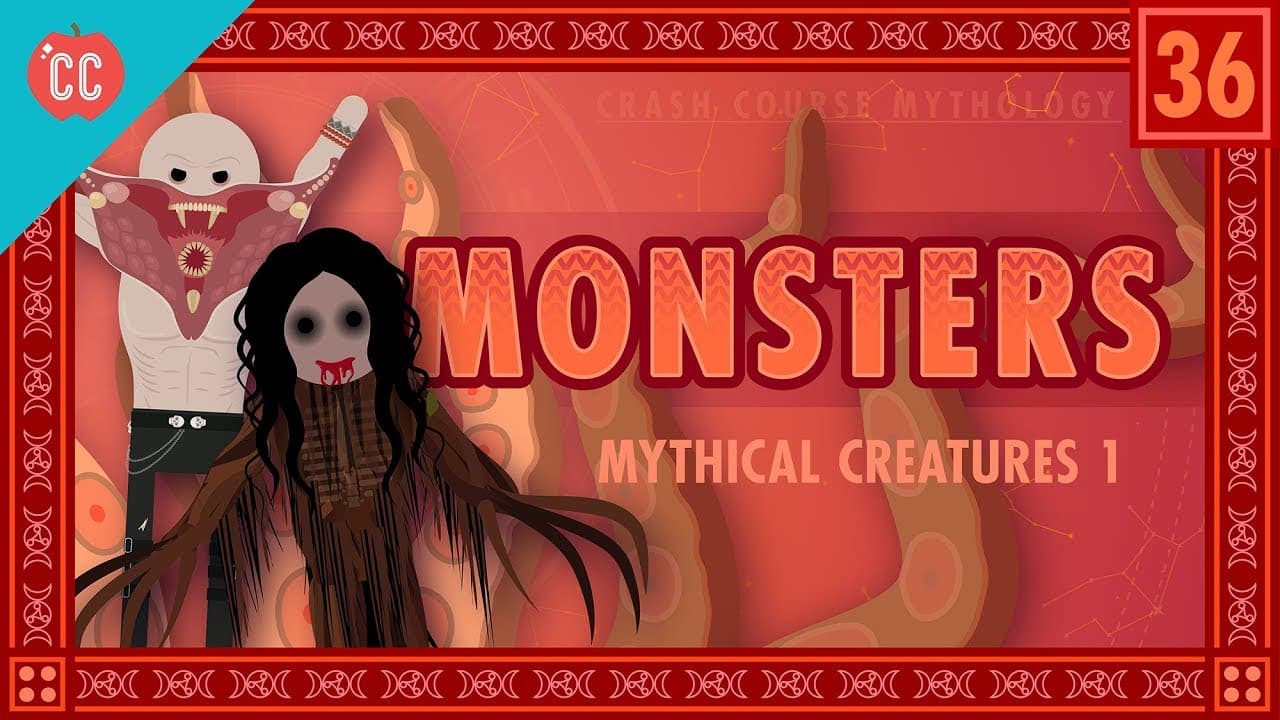
Hi there, I’m Mike Rugnetta, this is Crashcourse Mythology and today is the first of a few episodes focused on one of the greatest aspects of myths-in-general: Mythical cvreatures. More specifically: monsters. And today: one, terrible, international monster in particular. But don’t worry Thoth, I’ll protect you. Uuhh… as long as you also promise to... Read More
Key Insights
- Monsters are defined by their transgression of social and natural boundaries, often embodying human fears and taboos.
- Mythical creatures like unicorns and sphinxes may not be considered monsters due to their benevolent nature.
- Monsters often serve as challenges for heroes, creating a narrative cycle of menace and salvation.
- The Wendigo is a Canadian monster known for its vast geographical reach and its embodiment of cannibalistic fears.
- Wendigos are depicted as grotesque, humanoid creatures driven by an insatiable hunger for human flesh.
- The transformation into a Wendigo is often linked to starvation and desperation, highlighting human vulnerability.
- Monsters in mythology often symbolize deeper psychological fears and societal norms being violated.
- The enduring nature of monster legends reflects human anxieties about losing control and becoming monstrous.
Install to Summarize YouTube Videos and Get Transcripts
Explore YouTube Video Summarizer or Get YouTube Transcript Extractor
Questions & Answers
Q: What defines a creature as a monster in mythology?
In mythology, a creature is defined as a monster when it transgresses social and natural boundaries, often embodying human fears and taboos. Monsters are typically characterized by their grotesque appearance and behavior, which violate societal norms and provoke fear.
Q: How do monsters serve a narrative purpose in mythology?
Monsters serve a narrative purpose in mythology by acting as challenges for heroes. They create a cycle of menace and salvation, where a hero must confront and defeat the monster to restore peace. This narrative structure highlights themes of bravery, resilience, and the triumph of good over evil.
Q: What makes the Wendigo a unique monster in mythology?
The Wendigo is unique in mythology due to its vast geographical reach and its embodiment of the fear of cannibalism. It is depicted as a grotesque, humanoid creature driven by an insatiable hunger for human flesh. The transformation into a Wendigo is often linked to starvation and desperation, highlighting human vulnerability.
Q: How do Wendigos embody human fears and societal norms?
Wendigos embody human fears and societal norms by representing the taboo of cannibalism and the fear of losing control. Their monstrous nature symbolizes the potential for humans to violate social norms and become monstrous themselves, reflecting anxieties about human nature and societal expectations.
Q: What is the significance of the Wendigo's transformation process?
The Wendigo's transformation process is significant because it highlights the vulnerability of humans to desperation and hunger. Ordinary humans can become Wendigos when driven by starvation, reflecting the fear that anyone can lose control and become monstrous. This transformation underscores the theme of human fragility and the thin line between civilization and savagery.
Q: Why do monster legends endure in mythology?
Monster legends endure in mythology because they embody deep-seated human anxieties and fears. They serve as metaphors for societal taboos and psychological fears, providing a narrative framework for exploring themes of good versus evil, human vulnerability, and the potential for individuals to become monstrous.
Q: How does the Wendigo story reflect cultural and geographical influences?
The Wendigo story reflects cultural and geographical influences by being prevalent among Algonquian-speaking native tribes in Canada and the northern United States. Its depiction as a creature of the cold, harsh wilderness aligns with the environmental challenges faced by these communities, and its symbolism of cannibalism reflects cultural taboos and survival fears.
Q: What role do heroes play in monster mythology?
Heroes play a crucial role in monster mythology by confronting and defeating monsters, restoring peace and order. They embody qualities of bravery, strength, and resilience, serving as symbols of hope and the triumph of good over evil. The hero's journey often involves personal growth and the overcoming of fears, reinforcing moral and cultural values.
Summary & Key Takeaways
-
Monsters in mythology are creatures that transgress social and natural boundaries, often embodying human fears and taboos. They serve as challenges for heroes and symbolize deeper psychological fears and societal norms being violated.
-
The Wendigo is a Canadian monster known for its grotesque appearance and insatiable hunger for human flesh. It represents the fear of cannibalism and the potential for humans to lose control and violate social norms.
-
Monsters like the Wendigo endure in mythology due to their embodiment of human anxieties and the narrative cycle they create, where heroes must confront and defeat these terrifying creatures to restore peace.
Read in Other Languages (beta)
Share This Summary 📚
Summarize YouTube Videos and Get Video Transcripts with 1-Click
Try YouTube Summary with ChatGPT & Claude or YouTube Transcript Generator
Explore More Summaries from CrashCourse 📚

Summarize YouTube Videos and Get Video Transcripts with 1-Click
Try YouTube Summary with ChatGPT & Claude or YouTube Transcript Generator