How to Teach Your Dog to Come When Called Effectively
TL;DR
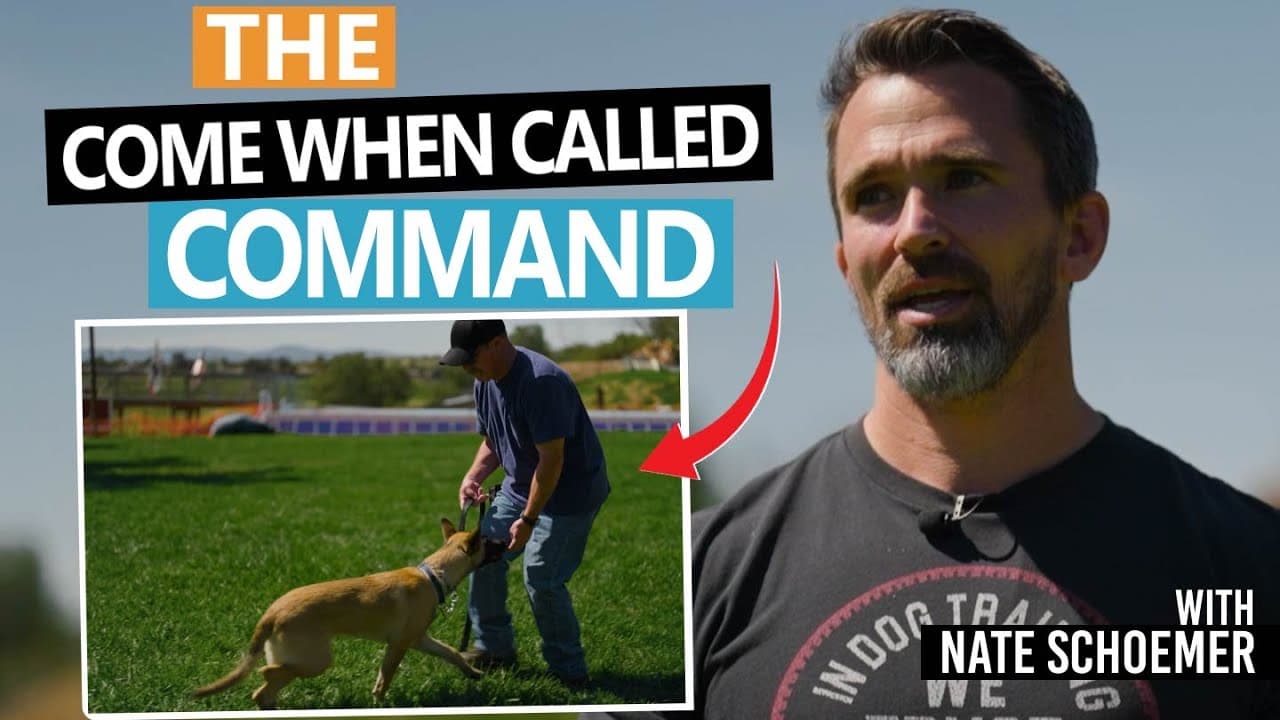
To effectively teach your dog to come when called, start by having the dog sit directly in front of you and use a luring technique with food to encourage them to move into a sitting position. Short training sessions of 10-15 minutes, combined with consistent hand placement and incorporation of commands into daily routines, help reinforce learning and maintain your dog's interest.
Transcript
is everybody working on the recall at home for me recall is a position I teach my dogs a position a lot of trainers do this you probably do it I'm assuming a lot of the other trainers over there do this as well what we do is we teach our dogs that sitting directly in front of us that's the come one called it's a position it's not just the act of co... Read More
Key Insights
- The 'come when called' command is essential for dog safety and effective control, divided into formal, informal, and whistle recalls.
- Training should start with teaching the dog a position, such as sitting directly in front of the trainer, to ensure precision.
- Sessions should be short, around 10-15 minutes, to keep dogs engaged and eager for more training.
- Consistency in hand placement and commands is crucial for teaching dogs to respond accurately to recall commands.
- Training should be integrated into daily routines, like using meal times to reinforce commands and prevent obesity.
- Precision in training commands can lead to easier overall training and better obedience in various situations.
- Using cones and lures can help teach dogs to respond to commands from a distance, enhancing recall reliability.
- Building a strong bond and trust between the dog and owner is the ultimate goal of training beyond mere obedience.
Install to Summarize YouTube Videos and Get Transcripts
Explore YouTube Video Summarizer or Get YouTube Transcript Extractor
Questions & Answers
Q: What is the significance of the 'come when called' command in dog training?
The 'come when called' command is crucial for ensuring a dog's safety and effective control. It allows the owner to call the dog back in various situations, preventing potential dangers and ensuring the dog responds promptly. This command also strengthens the bond between the dog and owner through consistent training.
Q: How can hand placement affect a dog's recall training?
Hand placement is critical in recall training as it guides the dog's position and response. Consistent hand placement helps the dog understand where to position itself, ensuring precision in the command. Incorrect hand placement can lead to confusion and inconsistent responses from the dog.
Q: Why are short training sessions recommended for dogs?
Short training sessions, typically 10-15 minutes, are recommended to keep dogs engaged and prevent fatigue. These sessions ensure that the dog remains eager to learn and looks forward to training. Long sessions can lead to boredom or frustration, reducing the effectiveness of the training.
Q: How can training be integrated into a dog's daily routine?
Training can be integrated into a dog's daily routine by using meal times as training opportunities. This approach reinforces commands while preventing obesity, as the dog works for its meals. Consistent daily training helps solidify commands and improves the dog's overall obedience and responsiveness.
Q: What role does precision play in recall training?
Precision in recall training ensures that the dog responds accurately to commands, enhancing overall obedience. Precise commands and consistent hand placement help the dog understand expectations, leading to reliable responses. Precision training also makes other training aspects easier and more effective.
Q: What are the different types of recall commands mentioned?
The different types of recall commands include the formal recall, where the dog approaches and sits directly in front of the trainer; the informal recall, which is more relaxed and doesn't require a specific position; and the whistle, tone, or vibrate recall, used for off-leash situations where verbal commands may not be heard.
Q: How can cones and lures enhance recall training?
Cones and lures are used to teach dogs to respond to commands from a distance, enhancing recall reliability. By luring the dog around a cone and using consistent commands, trainers can reinforce the recall command, ensuring the dog learns to come back even when at a distance or distracted.
Q: What is the ultimate goal of dog training beyond obedience?
Beyond obedience, the ultimate goal of dog training is to nurture a strong bond and trust between the dog and owner. Training should be a positive experience that strengthens the relationship, ensuring the dog feels secure and motivated to respond to commands, leading to a harmonious and trusting companionship.
Summary & Key Takeaways
-
The 'come when called' command is a fundamental aspect of dog training, essential for ensuring safety and control. It involves teaching dogs to respond to different types of recalls, such as formal, informal, and whistle recalls, each suited for different scenarios.
-
Training sessions should be short and engaging, focusing on precision and consistency in commands. Hand placement and cues play a significant role in how effectively a dog learns to respond to recall commands.
-
Incorporating training into daily routines, like during meal times, helps reinforce commands and prevent obesity. The goal of training extends beyond obedience, aiming to nurture a strong bond and trust between the dog and owner.
Read in Other Languages (beta)
Share This Summary 📚
Summarize YouTube Videos and Get Video Transcripts with 1-Click
Try YouTube Summary with ChatGPT & Claude or YouTube Transcript Generator
Explore More Summaries from Nate Schoemer 📚




Summarize YouTube Videos and Get Video Transcripts with 1-Click
Try YouTube Summary with ChatGPT & Claude or YouTube Transcript Generator