Why Was the Battle of Passchendaele Fought?
TL;DR
The Battle of Passchendaele, fought in 1917, was a costly and controversial World War I engagement with minimal territorial gains for the Allies. Despite heavy casualties and harsh conditions, the British aimed to alleviate strategic pressures but failed to achieve significant objectives, leading to debates about its necessity and effectiveness.
Transcript
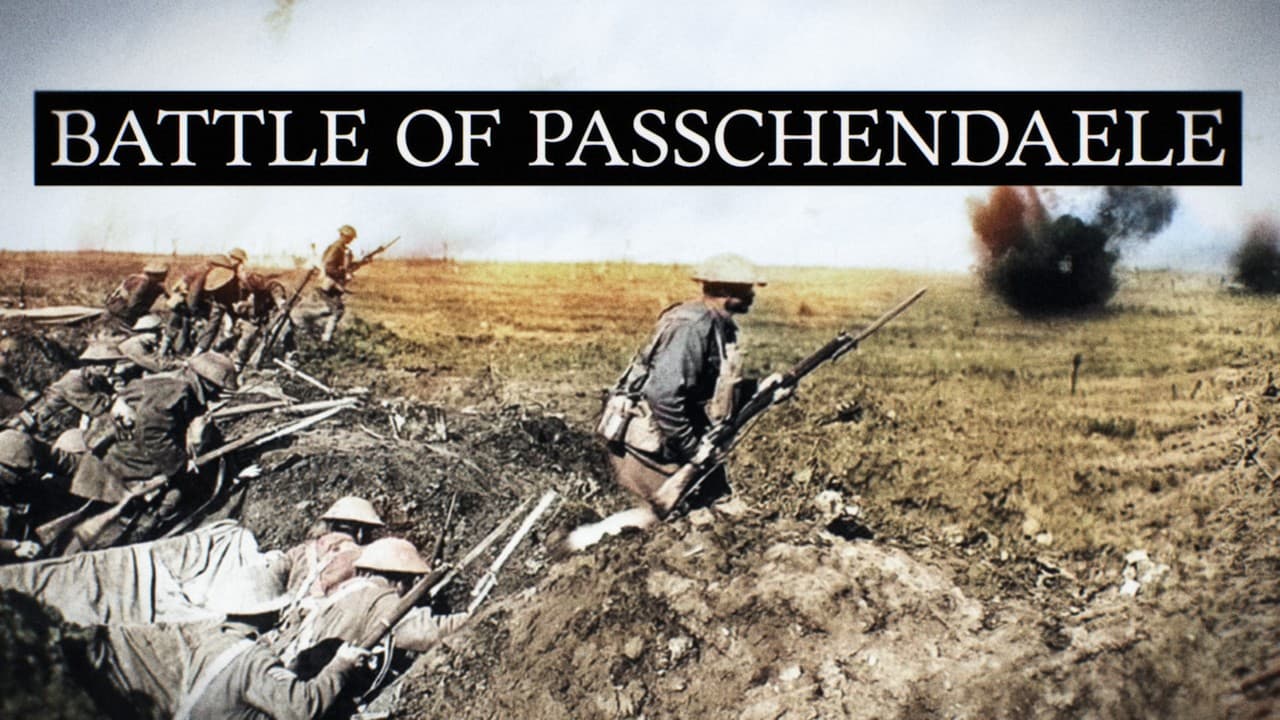
For more than three long months in 1917, Allied and German soldiers fought tooth and nail over a battlefield churned into a sea of sucking mud and shellholes by the guns. Hundreds of thousands were killed and wounded, some of them drowning in the soupy ground — for Allied gains of just a few kilometers. So why did the Battle of Passchendaele ha... Read More
Key Insights
- Passchendaele was a 1917 battle marked by extreme mud and heavy casualties.
- The British aimed to break through German defenses in Flanders.
- Field Marshal Haig's plan was ambitious but faced skepticism.
- The battle resulted in limited territorial gains for the Allies.
- German defenses were reinforced and utilized elastic strategies.
- Heavy rains and shelling turned the battlefield into a quagmire.
- Casualties were immense, with up to 275,000 Allied and 220,000 German losses.
- Debate continues over whether the battle was strategically necessary or futile.
Install to Summarize YouTube Videos and Get Transcripts
Explore YouTube Video Summarizer or Get YouTube Transcript Extractor
Questions & Answers
Q: Why was the Battle of Passchendaele fought?
The Battle of Passchendaele was fought in 1917 as part of a British offensive strategy to break through German defenses in Flanders. The British aimed to capture strategic high ground, disrupt German U-boat bases, and relieve pressure on the French front. Despite these goals, the battle resulted in limited territorial gains and heavy casualties.
Q: What were the conditions like during the Battle of Passchendaele?
The conditions during the Battle of Passchendaele were extremely harsh, with heavy rains and continuous shelling turning the battlefield into a quagmire of mud and water-filled shellholes. This made movement difficult for troops and equipment, leading to exhaustion and high casualties. The muddy terrain also caused many wounded soldiers to drown.
Q: What were the main objectives of the British at Passchendaele?
The main objectives of the British at Passchendaele were to capture the high ground near Ypres, disrupt German logistics and U-boat operations, and secure the channel ports critical to British supply lines. The British hoped these gains would alleviate strategic pressures and potentially lead to a breakthrough in the war.
Q: How did the Germans defend against the British offensive at Passchendaele?
The Germans defended against the British offensive at Passchendaele using an elastic defense strategy. They reinforced their positions with concrete pillboxes and strongpoints, allowing the first line to fall back while counterattacking with specialized units. This approach aimed to exhaust the attackers and maintain control over strategic areas.
Q: What were the casualty figures for the Battle of Passchendaele?
Casualty estimates for the Battle of Passchendaele vary, but British losses are believed to be between 240,000 to 275,000, including significant numbers of Canadian and ANZAC troops. German losses are estimated to be between 200,000 to 220,000. The high casualties and harsh conditions made the battle a symbol of World War I's futility.
Q: Did the Battle of Passchendaele achieve its strategic goals?
The Battle of Passchendaele did not achieve its strategic goals. While the British advanced approximately 12 kilometers, they failed to capture key objectives such as the full Passchendaele Ridge and the Belgian coast. The battle consumed significant resources and impacted morale, leading to criticism of its necessity and effectiveness.
Q: Why is the Battle of Passchendaele considered controversial?
The Battle of Passchendaele is considered controversial due to its high casualties, harsh battlefield conditions, and limited strategic gains. Critics argue that the prolonged fighting drained British resources and morale without achieving significant objectives, while others contend that strategic pressures left the British with few alternatives.
Q: What impact did the Battle of Passchendaele have on World War I?
The Battle of Passchendaele had a significant impact on World War I by highlighting the challenges of trench warfare and the high human cost of limited territorial gains. It strained British resources and morale, influenced political decisions, and remains a symbol of the war's futility. The battle also contributed to ongoing debates about military strategy and leadership.
Summary & Key Takeaways
-
The Battle of Passchendaele, also known as the Third Battle of Ypres, occurred in 1917 with the British aiming to break through German defenses in Flanders. Despite initial optimism, the offensive faced skepticism due to the anticipated high casualties and strategic risks. The battle resulted in limited territorial gains, with the British advancing about 12 kilometers but failing to capture key objectives.
-
The battlefield conditions were notoriously harsh, with heavy rains and artillery fire creating a sea of mud that hindered movement and caused many casualties. The Germans employed elastic defense strategies, reinforcing their positions and launching counterattacks. The battle became a symbol of World War I's futility, with immense casualties and debates over its strategic necessity.
-
Casualty estimates for the Battle of Passchendaele range from 240,000 to 275,000 for the Allies and 200,000 to 220,000 for the Germans. The battle's outcome failed to achieve significant strategic objectives, leading to criticism of British leadership, particularly Field Marshal Haig. The battle remains a subject of historical debate, with differing views on its impact and necessity.
Read in Other Languages (beta)
Share This Summary 📚
Summarize YouTube Videos and Get Video Transcripts with 1-Click
Try YouTube Summary with ChatGPT & Claude or YouTube Transcript Generator
Explore More Summaries from The Great War 📚

Summarize YouTube Videos and Get Video Transcripts with 1-Click
Try YouTube Summary with ChatGPT & Claude or YouTube Transcript Generator