How Does Generative AI Challenge Intellectual Property Law?
TL;DR
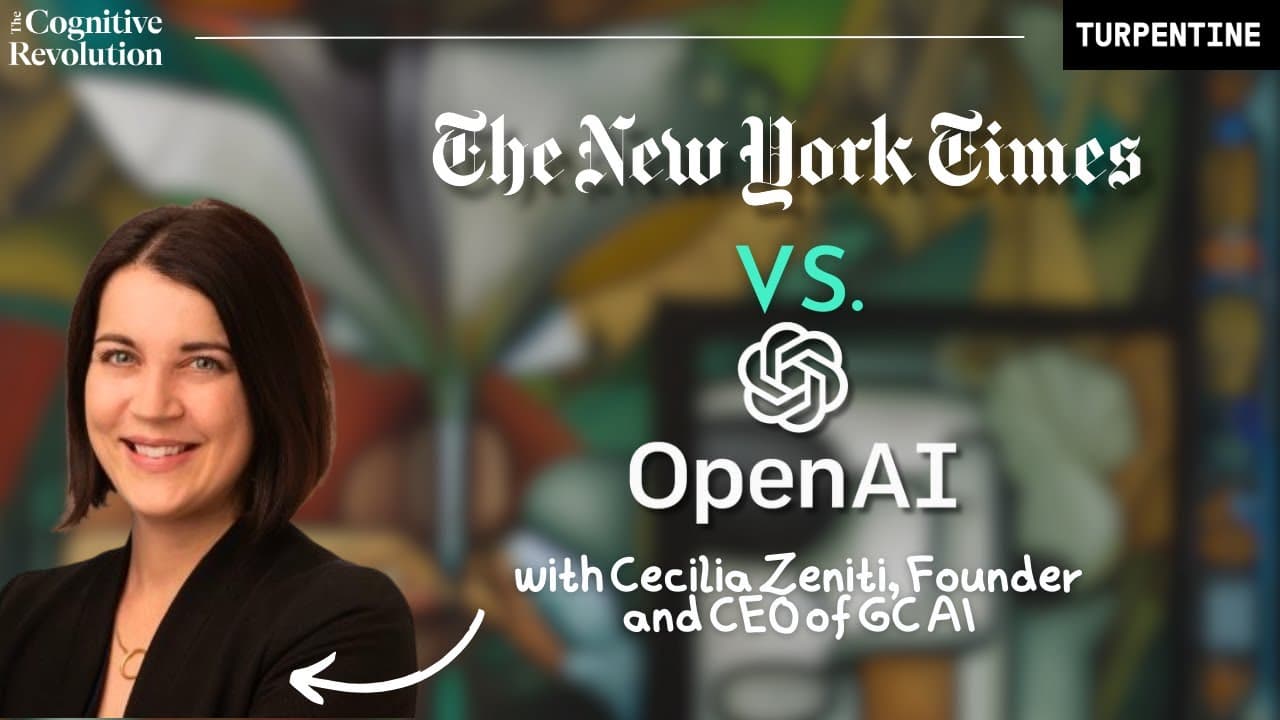
Generative AI is reshaping the landscape of intellectual property law, particularly with cases like New York Times versus OpenAI. The central issue is whether AI's use of copyrighted material in training models constitutes 'fair use' due to its transformative nature. This legal debate could significantly influence how AI technologies are developed and used, impacting creators and tech companies alike.
Transcript
uh the United States's strong intellectual property protection regime is what gave rise to Hollywood what gave rise to Silicon Valley oh hey I trained um my own GPT on all your work and it's been so helpful and she's like okay you know thanks like and and it's sort of like how how am I supposed to feel about that like it's maybe it's not verbatim c... Read More
Key Insights
- Intellectual property law in the U.S. is rooted in the Constitution, designed to promote creativity by granting exclusive rights to creators.
- The 'fair use' doctrine is a critical component of copyright law, allowing for some uses of copyrighted material without permission if deemed transformative.
- OpenAI's use of copyrighted material in training models hinges on whether such use is transformative, a key factor in the New York Times lawsuit.
- Google's patent strategy, particularly around the Transformer model, highlights the complex interplay between innovation and intellectual property rights.
- The New York Times argues that verbatim regurgitation of its articles by AI models is a clear infringement of copyright.
- A middle ground solution could involve technical measures to prevent AI from regurgitating copyrighted content, balancing innovation and creator rights.
- Open source models present challenges in enforcing intellectual property rights due to their decentralized nature.
- Future IP laws may need to address the unique challenges posed by AI, potentially involving new licensing systems or congressional action.
Install to Summarize YouTube Videos and Get Transcripts
Explore YouTube Video Summarizer or Get YouTube Transcript Extractor
Questions & Answers
Q: How does generative AI challenge traditional intellectual property law?
Generative AI challenges traditional intellectual property law by introducing new complexities in the use of copyrighted material. AI models often use vast amounts of existing content for training, raising questions about whether this constitutes fair use. The transformative nature of AI outputs is central to this debate, as courts must determine if AI-generated content sufficiently alters the original material to qualify as fair use, impacting how copyright laws are applied to AI technologies.
Q: What is the significance of the New York Times versus OpenAI case?
The New York Times versus OpenAI case is significant because it addresses whether AI's use of copyrighted material in training constitutes fair use. This legal battle could set precedents for how AI technologies can interact with existing content, affecting creators and tech companies. The outcome may influence future regulations and the development of AI models, highlighting the need for clear legal frameworks to balance innovation with intellectual property rights.
Q: How does the 'fair use' doctrine apply to AI-generated content?
The 'fair use' doctrine allows for certain uses of copyrighted material without permission if deemed transformative. In the context of AI, this means evaluating whether the AI-generated content significantly alters the original material's purpose, meaning, or message. If AI outputs are considered transformative, they may qualify as fair use, allowing companies to use copyrighted material in training models without infringing on creators' rights. This is a key issue in cases like New York Times versus OpenAI.
Q: What role does Google's Transformer model play in AI patent discussions?
Google's Transformer model plays a significant role in AI patent discussions as it represents a major innovation in AI technology. Google's decision to patent the Transformer model reflects the complex relationship between innovation and intellectual property rights. While patents protect technological advancements, they also raise questions about accessibility and collaboration in the AI field. Google's strategy highlights the need for balance between protecting inventions and fostering open innovation.
Q: How might AI technologies impact the future of intellectual property law?
AI technologies are likely to impact the future of intellectual property law by necessitating new frameworks that address the unique challenges posed by AI. As AI models continue to evolve, legal systems will need to adapt to balance innovation with the protection of creators' rights. This could involve new licensing systems, congressional action, or updated fair use guidelines that consider the transformative nature of AI-generated content, ensuring that IP laws remain relevant in the age of AI.
Q: What challenges do open source AI models present for IP enforcement?
Open source AI models present challenges for IP enforcement due to their decentralized nature and widespread availability. Once open source models are released, it becomes difficult to control their use or enforce intellectual property rights, as there may be no central entity to hold accountable. This complicates efforts to protect copyrighted material and raises questions about how to balance open innovation with the rights of content creators in a rapidly evolving technological landscape.
Q: What potential solutions exist for addressing copyright concerns in AI?
Potential solutions for addressing copyright concerns in AI include developing technical measures to prevent AI from regurgitating copyrighted content, implementing sophisticated watermarking systems, and creating commercial licensing agreements. These approaches aim to balance the interests of creators with the benefits of AI innovation. Additionally, legislative action may be necessary to establish clear guidelines and frameworks that ensure fair compensation for content creators while fostering technological advancement.
Q: How can future IP laws balance innovation with creators' rights in the AI era?
Future IP laws can balance innovation with creators' rights in the AI era by establishing clear guidelines that recognize the transformative potential of AI while protecting original content. This may involve creating new licensing models, implementing fair use standards that account for AI's unique characteristics, and encouraging collaboration between tech companies and content creators. By adapting legal frameworks to the realities of AI, lawmakers can ensure that both innovation and intellectual property rights are upheld.
Summary & Key Takeaways
-
Generative AI technologies like OpenAI's models are challenging traditional intellectual property law, particularly around the concept of fair use. The New York Times lawsuit against OpenAI centers on whether AI's use of copyrighted content in training models is transformative enough to qualify as fair use. This case could set important precedents for how AI can utilize existing content while respecting creators' rights.
-
The discussion explores the origins of intellectual property law, the nuances of copyright, patents, and trademarks, and how these apply to AI technologies. It highlights Google's approach to patenting the Transformer model and the potential for commercial solutions to address copyright concerns in AI.
-
The conversation also touches on the potential for congressional action to create new IP frameworks suited to AI, and the role of open source in complicating enforcement. As AI continues to evolve, legal frameworks will need to adapt to balance innovation with the protection of creators' rights.
Read in Other Languages (beta)
Share This Summary 📚
Summarize YouTube Videos and Get Video Transcripts with 1-Click
Try YouTube Summary with ChatGPT & Claude or YouTube Transcript Generator
Explore More Summaries from Cognitive Revolution "How AI Changes Everything" 📚
Summarize YouTube Videos and Get Video Transcripts with 1-Click
Try YouTube Summary with ChatGPT & Claude or YouTube Transcript Generator