Is Skipping Breakfast Bad for Your Muscles?
TL;DR
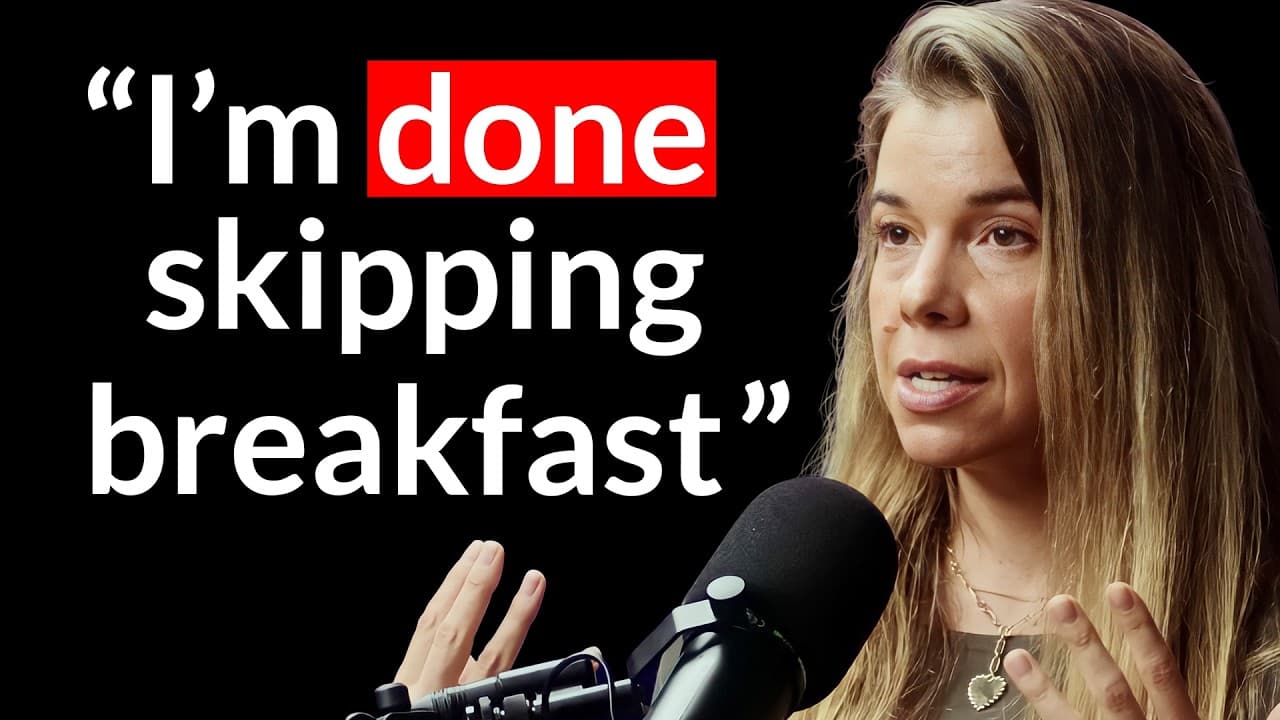
Skipping breakfast can negatively impact muscle mass as the body draws amino acids from muscles during prolonged fasting. Eating a high-protein breakfast is crucial for replenishing these amino acids, especially since the body is most insulin sensitive in the morning. New research suggests higher protein intake is necessary to prevent muscle loss, particularly for older adults.
Transcript
talk to me about timerestricted feeding because for a long time that was like the hot new goal in school and everyone loved it and it was really interesting but it seems like the trend is swaying at least a little bit away from timerestricted feeding especially on a morning so what's your how do you conceptualize all of this now um so timerestricte... Read More
Key Insights
- Time-restricted feeding has been popularized as a form of intermittent fasting, often leading people to skip breakfast. However, this approach may not be ideal for muscle preservation.
- Our bodies are most insulin sensitive in the morning, making it an optimal time for carbohydrate intake. Eating later in the day can result in higher blood glucose levels from the same amount of carbohydrates.
- Muscles serve as a reservoir for amino acids. Skipping breakfast extends the fasting period, causing the body to draw amino acids from muscles, potentially leading to muscle atrophy.
- Resistance training can mitigate muscle loss during time-restricted feeding, but adequate protein intake is essential to maintain muscle mass and support gains.
- The recommended daily allowance (RDA) for protein may be underestimated. Newer research suggests 1.2 to 1.6 grams per kilogram of body weight is necessary to prevent muscle loss and support muscle building.
- Older adults face anabolic resistance, meaning they don't build muscle as efficiently. They require higher protein intake to maintain muscle mass compared to younger individuals.
- To balance time-restricted eating, it's advised to stop eating three hours before bedtime to allow for proper digestion and improve sleep quality.
- High-protein breakfasts, such as eggs or steak, are recommended to provide essential nutrients and support muscle protein synthesis after the overnight fast.
Install to Summarize YouTube Videos and Get Transcripts
Explore YouTube Video Summarizer or Get YouTube Transcript Extractor
Questions & Answers
Q: Why is skipping breakfast not recommended in time-restricted feeding?
Skipping breakfast in time-restricted feeding can lead to muscle loss because the body, lacking amino acids from food, will draw them from muscle tissue. This is particularly concerning if resistance training is not performed, as it helps mitigate muscle atrophy. A high-protein breakfast is important to kickstart muscle protein synthesis after the overnight fast.
Q: How does insulin sensitivity vary throughout the day?
Insulin sensitivity is highest in the morning, making it an ideal time for carbohydrate consumption. Eating the same amount of carbohydrates later in the day can lead to higher blood glucose levels. This diurnal variation in insulin sensitivity suggests that meal timing can significantly impact metabolic health, emphasizing the importance of consuming larger meals earlier in the day.
Q: What role does protein intake play in muscle maintenance?
Protein intake is crucial for muscle maintenance, as muscles act as a reservoir for amino acids. Inadequate protein intake, especially during extended fasting periods, can lead to muscle atrophy. Resistance training stimulates muscle protein synthesis, but sufficient protein is needed to support muscle building and prevent loss, with recommendations suggesting 1.2 to 1.6 grams per kilogram of body weight.
Q: Why might the RDA for protein be underestimated?
The RDA for protein may be underestimated due to older techniques that didn't accurately measure amino acid losses. Recent research using more sensitive technologies suggests that people lose more amino acids than previously thought, indicating that the RDA should be higher. This is particularly important for physically active individuals and older adults, who require more protein to maintain muscle mass.
Q: How should one incorporate time-restricted eating into their lifestyle?
To incorporate time-restricted eating, it's recommended to stop eating about three hours before bedtime to allow for digestion and improve sleep quality. This approach doesn't necessarily require skipping meals; instead, it involves consuming meals within a specific time window, typically eight hours, and fasting for the remaining 16 hours. High-protein breakfasts are advised to replenish amino acids after fasting overnight.
Q: What are the benefits of consuming a high-protein breakfast?
A high-protein breakfast provides essential amino acids that are crucial for muscle protein synthesis after the overnight fast. It helps prevent muscle atrophy by supplying the body with the necessary nutrients to maintain muscle mass. High-protein foods like eggs or steak are nutrient-dense and support overall health, contributing to better metabolic function and muscle maintenance.
Q: How does age affect protein requirements and muscle building?
As people age, they experience anabolic resistance, meaning they don't build muscle as efficiently with the same protein intake. Older adults require higher protein intake to maintain muscle mass compared to younger individuals. Studies show that consuming 1.2 grams of protein per kilogram of body weight can significantly improve muscle mass gains and prevent age-related muscle atrophy.
Q: What are some recommended high-protein breakfast options?
Recommended high-protein breakfast options include eggs, steak, and bacon. Eggs are particularly beneficial due to their high protein content and additional nutrients like choline and lutein, which support brain and eye health. Choosing pasture-raised eggs is advised for higher nutrient content. These breakfast options help replenish amino acids after fasting and support muscle protein synthesis.
Summary & Key Takeaways
-
Time-restricted feeding, a form of intermittent fasting, involves eating within a specific time window. While popular, skipping breakfast can lead to muscle loss, as the body pulls amino acids from muscles during extended fasting periods.
-
Insulin sensitivity is highest in the morning, so consuming carbohydrates early is beneficial. Eating later can cause higher blood glucose levels. Resistance training helps mitigate muscle loss, but sufficient protein intake is crucial.
-
The RDA for protein may be too low, with new studies suggesting higher intake to prevent muscle loss, especially in older adults. High-protein breakfasts are important to replenish amino acids after fasting overnight.
Read in Other Languages (beta)
Share This Summary 📚
Summarize YouTube Videos and Get Video Transcripts with 1-Click
Try YouTube Summary with ChatGPT & Claude or YouTube Transcript Generator
Explore More Summaries from FoundMyFitness Clips 📚




Summarize YouTube Videos and Get Video Transcripts with 1-Click
Try YouTube Summary with ChatGPT & Claude or YouTube Transcript Generator