For Whiter Skin, Some Are Turning to Injections
TL;DR
Skin lightening reflects societal power dynamics and is a billion-dollar industry.
Transcript
Skin lightening is about power. It's an expression of power and so people who lighten their skin are doing this because they are responding to a power dynamic that exists in their particular society. In many parts of the world, lighter skin is considered to be more beautiful than darker skin. It's a beauty standard that's been around for hundreds o... Read More
Key Insights
- Skin lightening is deeply rooted in societal power dynamics, where lighter skin is often perceived as more beautiful and associated with privilege.
- The global market for skin lightening products is expected to surpass $12 billion by 2027, with Asia being the largest consumer base.
- Historical context reveals that skin lightening practices began with white women in the U.S., emulating European beauty standards.
- In India, skin lightening is intertwined with colorism and caste systems, where fairer skin is often preferred for career and marriage prospects.
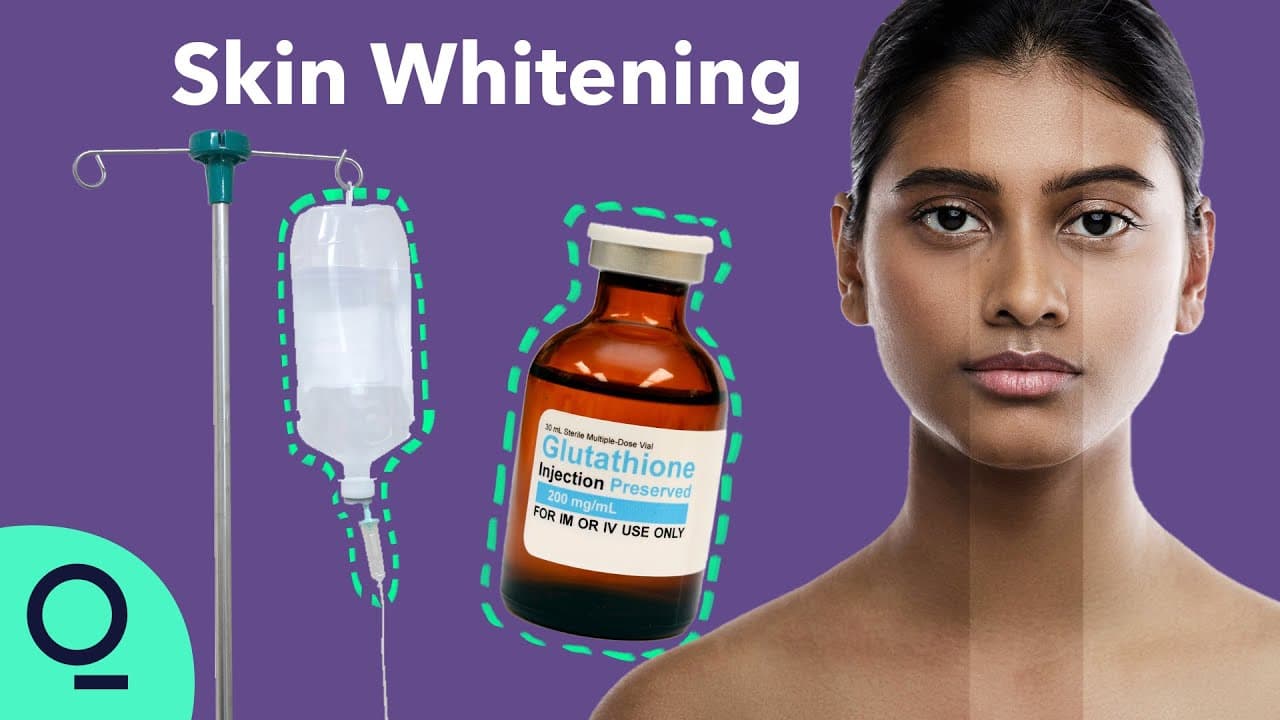
- Glutathione injections are becoming popular for skin whitening, despite limited scientific evidence and potential health risks.
- The beauty industry profits from colorism by exploiting insecurities related to skin color, fueling the demand for whitening products.
- Advocacy groups like Dark is Beautiful are working to combat colorism through education and cultural change.
- There is a growing awareness and acceptance of natural skin tones, challenging the long-standing preference for lighter skin.
Install to Summarize YouTube Videos and Get Transcripts
Explore YouTube Video Summarizer or Get YouTube Transcript Extractor
Questions & Answers
Q: What is the historical context of skin lightening in the United States?
Skin lightening in the United States initially began with white women who aimed to emulate European beauty standards. During the Jim Crow era, skin lightening products were also used within the African-American community as a survival strategy, as lighter skin provided more access to resources and opportunities.
Q: How is skin lightening related to colorism in India?
In India, skin lightening is closely linked to colorism and the caste system, where fairer skin is often preferred for career and marriage prospects. This preference is reflected in matrimonial advertisements and societal norms, perpetuating the demand for skin lightening products despite legal regulations.
Q: What are the risks associated with glutathione injections for skin whitening?
Glutathione injections for skin whitening pose potential health risks, including toxic effects on the liver, kidneys, and nervous system. The safety and efficacy of these injections are not well-established, with limited clinical trials and inconsistent results among patients. Despite warnings, the demand for these injections continues to grow.
Q: How does the beauty industry profit from colorism?
The beauty industry profits from colorism by exploiting societal insecurities related to skin color. By promoting products that promise lighter skin, the industry reinforces the notion that lighter skin is more desirable, thus driving the demand for skin lightening products and treatments.
Q: What role do advocacy groups play in combating colorism?
Advocacy groups like Dark is Beautiful play a crucial role in combating colorism by organizing workshops and events to raise awareness and promote acceptance of natural skin tones. They challenge cultural norms and advocate for changes in media representation and societal attitudes towards skin color.
Q: What is the market outlook for skin lightening products?
The market for skin lightening products is expected to grow significantly, projected to exceed $12 billion globally by 2027. Asia remains the largest consumer base, driven by cultural and societal preferences for lighter skin. Despite regulatory efforts, the demand for these products continues to rise.
Q: How do societal pressures influence the use of skin lightening products?
Societal pressures heavily influence the use of skin lightening products, as lighter skin is often associated with beauty, privilege, and social mobility. These pressures are reinforced by media representation and cultural norms, leading individuals to seek out products and treatments that promise lighter skin.
Q: What changes are needed to address colorism effectively?
To address colorism effectively, changes are needed in cultural attitudes, media representation, and government policies. Advocacy for educational reforms and increased awareness of the impacts of colorism are crucial. Cosmetic brands also have a responsibility to promote diverse beauty standards and challenge existing stereotypes.
Summary & Key Takeaways
-
Skin lightening is a significant global industry driven by societal power dynamics and beauty standards favoring lighter skin. This practice has historical roots and is prevalent in regions like Asia and Africa, where lighter skin is often associated with privilege and beauty.
-
In India, skin lightening is deeply connected to colorism and the caste system, with a preference for fairer skin in career and marriage contexts. Despite government regulations, the demand for skin lightening products remains high, driven by societal pressures and media influence.
-
Glutathione injections are gaining popularity as a skin whitening method, although their safety and efficacy are not well-established. Advocacy groups are promoting acceptance of natural skin tones and challenging the beauty industry's role in perpetuating colorism.
Read in Other Languages (beta)
Share This Summary 📚
Summarize YouTube Videos and Get Video Transcripts with 1-Click
Try YouTube Summary with ChatGPT & Claude or YouTube Transcript Generator
Explore More Summaries from Bloomberg Originals 📚




Summarize YouTube Videos and Get Video Transcripts with 1-Click
Try YouTube Summary with ChatGPT & Claude or YouTube Transcript Generator