How Does the Ladder of Inference Shape Our Actions?
TL;DR
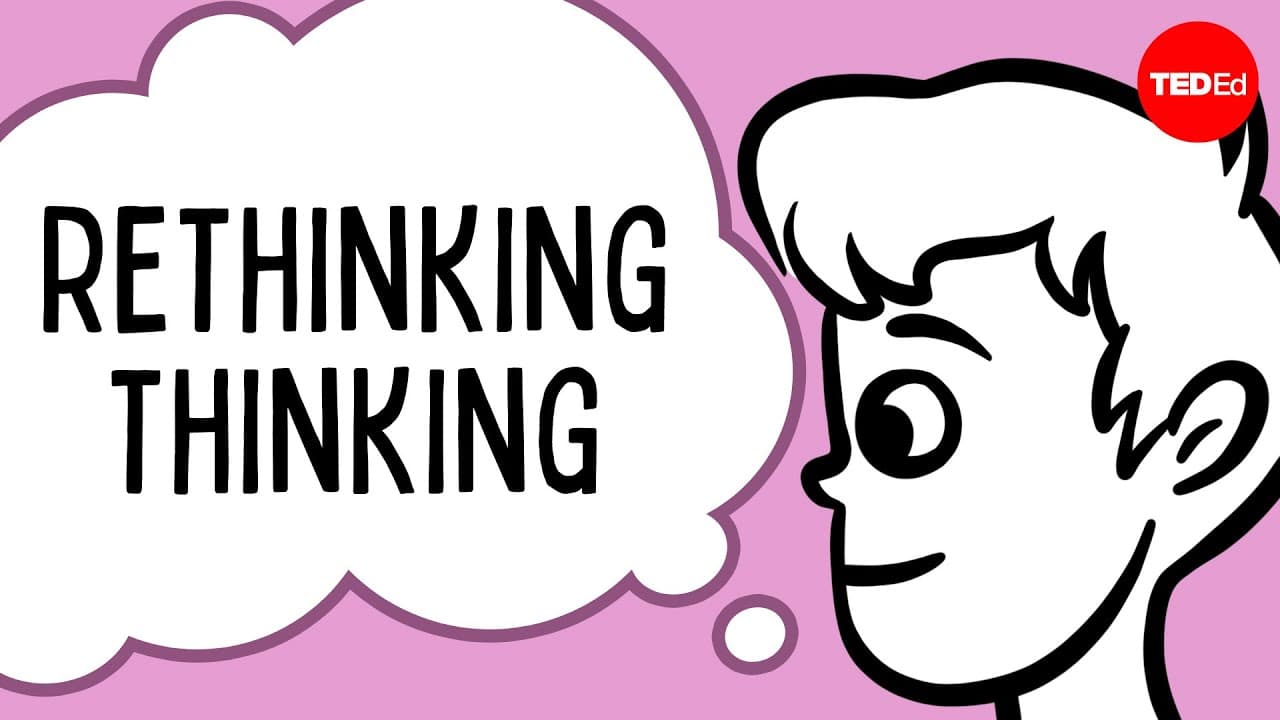
The Ladder of Inference is a cognitive model that illustrates how our experiences, filtered through our beliefs and assumptions, influence our actions. By understanding each rung of the ladder, we can better examine our reactions and make more informed decisions, ultimately enhancing our interpersonal interactions.
Transcript
Translator: tom carter Reviewer: Bedirhan Cinar Imagine a microscopic-sized ladder contained in the part of our brain that we'll label our subconscious. The Ladder of Inference, which was first proposed by Harvard professor Chris Argyris, is the basis of this model. Every time we interact with someone, that experience enters the ladder at the botto... Read More
Key Insights
- 🧠 The Ladder of Inference, a model proposed by Harvard professor Chris Argyris, explains how our subconscious filters and interprets our experiences, leading to assumptions and actions.
- 🎥 Each rung of the ladder represents a different step in this process, from raw data and observations to filtered information, assigned meaning, developed assumptions, and conclusions. Emotions play a role on the fifth rung.
- 🗝️ Our beliefs about the world and the people involved in our experiences shape our actions on the seventh and final rung.
- 🚗 A real-life example of being cut off in a parking lot demonstrates how our ladder of inference can influence our reactions and behavior.
- ⚙️ Our ladder can be short-circuited by external factors, like the other person's perspective, or by our own proactive choices.
- 🆓 We have the unique human function of free will, enabling us to proactively examine and adjust our ladder of inference.
- 🔍 By paying attention to our beliefs, the data we filter in, and the validity of our assumptions, we can change our feelings, conclusions, and actions.
- 🗣️ Being mindful of our own ladder of inference and helping others become aware of theirs can lead to better understanding and communication.
Install to Summarize YouTube Videos and Get Transcripts
Explore YouTube Video Summarizer or Get YouTube Transcript Extractor
Questions & Answers
Q: How does the Ladder of Inference model work?
The Ladder of Inference model describes how our experiences influence our beliefs, assumptions, conclusions, and actions. It starts with raw data and observations at the bottom rung and progresses upward as we filter and interpret the information.
Q: What role do beliefs and assumptions play in the Ladder of Inference?
Beliefs and assumptions are critical in the Ladder of Inference. We filter information based on our existing beliefs and assumptions, and these filtered perceptions shape our interpretations, conclusions, and actions.
Q: How can awareness of our ladder lead to better outcomes?
Being aware of our ladder allows us to question our beliefs, assumptions, and conclusions. By challenging our perspectives and considering alternative assumptions, we can make more informed decisions and avoid jumping to hasty or inaccurate actions.
Q: How can the Ladder of Inference impact our interactions with others?
The Ladder of Inference impacts our interactions by shaping our beliefs and assumptions about others. By understanding our ladder and helping others understand theirs, we can be more empathetic and open-minded in our relationships.
Summary & Key Takeaways
-
The Ladder of Inference is a model that describes how our experiences shape our beliefs, assumptions, conclusions, and actions.
-
At each rung of the ladder, we filter and interpret information, which can lead to a distorted perspective of reality.
-
By being mindful of our ladder and questioning our beliefs and assumptions, we can improve our understanding and make better decisions.
Read in Other Languages (beta)
Share This Summary 📚
Summarize YouTube Videos and Get Video Transcripts with 1-Click
Try YouTube Summary with ChatGPT & Claude or YouTube Transcript Generator
Explore More Summaries from TED-Ed 📚



Summarize YouTube Videos and Get Video Transcripts with 1-Click
Try YouTube Summary with ChatGPT & Claude or YouTube Transcript Generator