What Is Memory and Why Is It Often Unreliable?
TL;DR
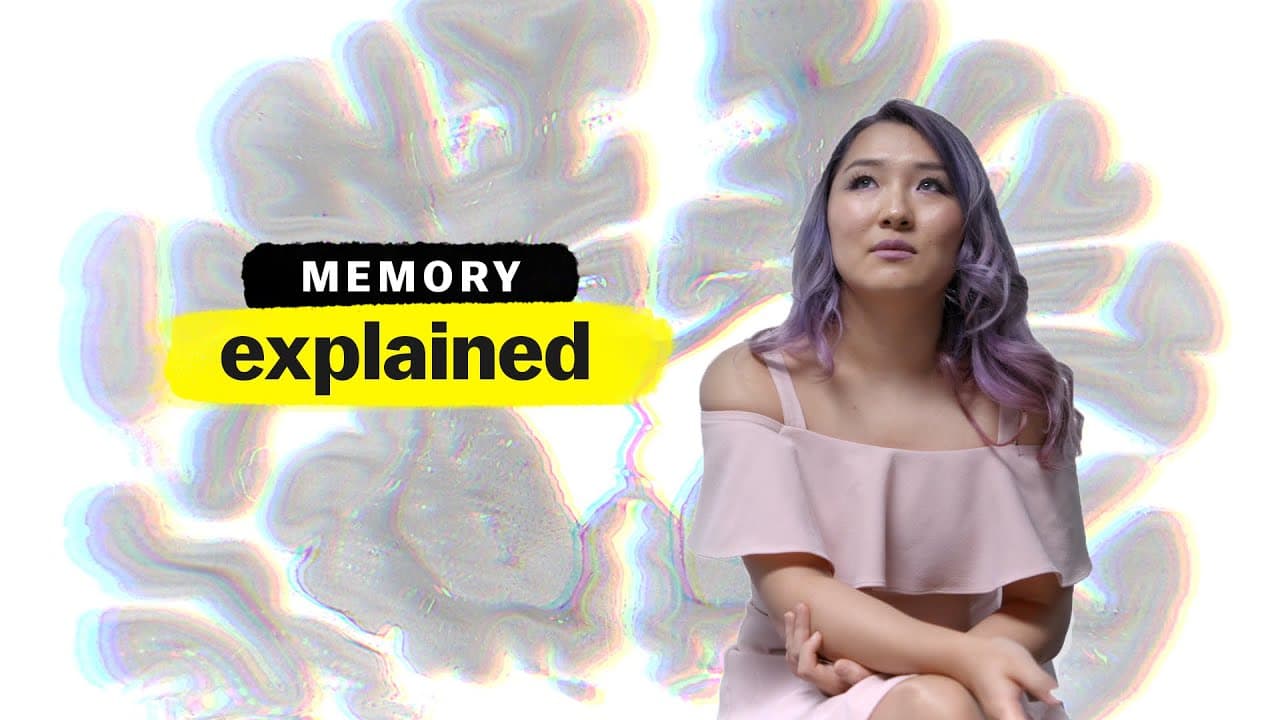
Memory is inherently unreliable, with studies showing that details can shift and become distorted over time, even for significant events like 9/11. Emotional experiences and narrative techniques enhance memory retention, but they also increase susceptibility to false memories, highlighting the brain’s ability to reconstruct rather than perfectly record our past.
Transcript
Some moments feel so important, we believe there is a perfect recording of them etched in our minds. ARMSTRONG: “That’s one small step for man…” REAGAN: “Tear down this wall” NEWSCASTER: “Diana Princess of Wales, is dead.” For many, 9/11 was one of those moments. "I was getting ready to go to class to class and I put on the TV" "And the newscaster ... Read More
Key Insights
- Our memories, even of significant events, are not perfect recordings and can change over time, with about 50% of details altered within a year.
- Memory is not just about preserving the past; it also plays a crucial role in imagining and planning for the future.
- Emotion, place, and narrative significantly enhance memory retention, making emotional experiences more vivid and memorable.
- Memory athletes use techniques like the memory palace to enhance recall, demonstrating that memory can be trained and improved.
- The hippocampus is vital for memory formation, integrating different sensory experiences into coherent memories.
- Memories can be manipulated, leading to false recollections, which poses challenges in areas like eyewitness testimony.
- The brain's ability to reconstruct memories is both a strength and a vulnerability, allowing for creativity but also susceptibility to errors.
- Mindfulness and meditation can improve memory by enhancing focus, which is crucial for encoding and retrieving memories.
Install to Summarize YouTube Videos and Get Transcripts
Explore YouTube Video Summarizer or Get YouTube Transcript Extractor
Summary & Key Takeaways
-
Memories, even of pivotal events like 9/11, are not static and can change over time, with many details often recalled inaccurately. Emotional and narrative elements enhance memory retention, but this flexibility can also lead to false memories.
-
The hippocampus plays a central role in forming memories by integrating sensory experiences. Techniques like the memory palace can enhance memory, showing that memory is a skill that can be developed.
-
Memory serves not only to preserve the past but also to help imagine future scenarios. This flexibility, while beneficial for creativity and planning, also makes our memories susceptible to distortion and manipulation.
Read in Other Languages (beta)
Share This Summary 📚
Summarize YouTube Videos and Get Video Transcripts with 1-Click
Try YouTube Summary with ChatGPT & Claude or YouTube Transcript Generator
Explore More Summaries from Vox 📚






Summarize YouTube Videos and Get Video Transcripts with 1-Click
Try YouTube Summary with ChatGPT & Claude or YouTube Transcript Generator