Why the triple axel is such a big deal
TL;DR
The triple axel is a challenging and iconic figure skating jump.
Transcript
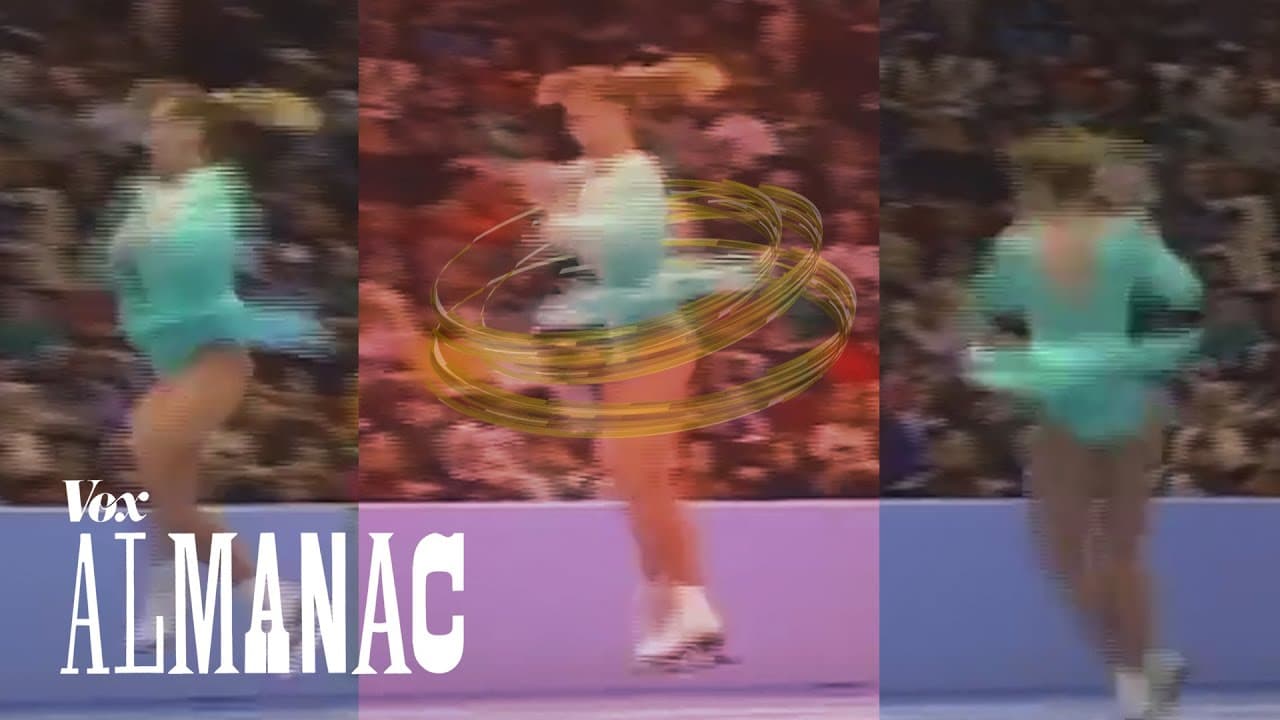
Why is the triple axel such a big deal? This is 1991, the last year of the Cold War, the year Street Fighter II hit arcades “Mr. Gorbachev Hadouken this wall. and the year Tonya Harding became the first American woman to perform a triple axel in competition. The famous rivalry that bloomed is the one between Tonya Harding and Nancy Kerrigan. And i... Read More
Key Insights
- The triple axel is a forward-edge jump, requiring skaters to take off facing forward and land backward, adding an extra half rotation compared to other jumps.
- Tonya Harding became the first American woman to land a triple axel in competition in 1991, marking a significant milestone in figure skating.
- The triple axel demands a combination of power and elegance, making it a challenging feat for skaters to master.
- Skaters must generate both vertical velocity and angular momentum during the approach to successfully execute a triple axel.
- The jump length of a triple axel is often shorter than a double axel because more energy is directed towards achieving the additional rotation.
- Proper body positioning, with arms and knees tucked in closely, is crucial for maintaining rotation speed during the jump.
- Landing a triple axel involves absorbing the speed of the rotation on the ball of the opposite foot, requiring significant skill and balance.
- The triple axel remains a pinnacle of figure skating performance due to its technical complexity and the artistry required to execute it gracefully.
Install to Summarize YouTube Videos and Get Transcripts
Explore YouTube Video Summarizer or Get YouTube Transcript Extractor
Questions & Answers
Q: What makes the triple axel different from other figure skating jumps?
The triple axel is unique because it is a forward-edge jump, meaning skaters take off facing forward and land backward. This adds an extra half rotation compared to other jumps, increasing its complexity and difficulty. The jump requires a precise combination of power, speed, and technical skill to execute successfully.
Q: Why was Tonya Harding's triple axel in 1991 significant?
Tonya Harding's triple axel in 1991 was significant because she became the first American woman to land this challenging jump in competition. This achievement marked a milestone in figure skating, showcasing her technical prowess and setting a new standard for future skaters. It highlighted the jump's difficulty and its importance in the sport.
Q: What are the key biomechanical factors involved in executing a triple axel?
Executing a triple axel involves generating vertical velocity and angular momentum during the approach. Skaters must maintain a tight body position to maximize rotation speed. Proper technique includes taking off on the forward outside edge and landing on the ball of the opposite foot, requiring strength, balance, and precise timing.
Q: How do skaters manage the rotation speed during a triple axel?
Skaters manage rotation speed during a triple axel by maintaining a compact body position, with arms and knees closely tucked in. This minimizes air resistance and maximizes rotational speed. They must also use upper body strength to keep their arms in position, ensuring a fast and controlled spin throughout the jump.
Q: What challenges do skaters face when landing a triple axel?
Landing a triple axel presents challenges such as absorbing the speed and force of the rotation on the ball of the opposite foot. Skaters must balance the descent's weight while maintaining control and elegance. The landing requires precision and stability to prevent falls or wobbles, making it a critical aspect of the jump.
Q: Why is the triple axel considered a pinnacle of figure skating performance?
The triple axel is considered a pinnacle of figure skating performance due to its technical complexity and the artistry required to execute it gracefully. The jump's forward-edge takeoff and additional rotation make it exceptionally challenging. Successfully performing a triple axel demonstrates a skater's skill, strength, and dedication, earning it legendary status.
Q: How does the triple axel demonstrate the balance between power and elegance?
The triple axel demonstrates the balance between power and elegance by requiring skaters to combine explosive strength with graceful execution. The jump demands significant physical effort to achieve the necessary rotation and height, while simultaneously requiring artistic expression and fluidity to maintain an aesthetically pleasing performance.
Q: What historical impact did the triple axel have on figure skating competitions?
The triple axel had a significant historical impact on figure skating competitions by raising the technical standards and expectations for skaters. Its introduction and successful execution by pioneers like Tonya Harding and Midori Ito showcased the jump's difficulty and set a new benchmark for competitive performance, influencing the evolution of the sport.
Summary & Key Takeaways
-
The triple axel is a forward-edge jump in figure skating, requiring skaters to take off facing forward and land backward, adding an extra half rotation. Tonya Harding made history in 1991 as the first American woman to land it in competition, showcasing the jump's complexity and significance.
-
The mechanics of the triple axel involve generating vertical velocity and angular momentum during the approach, with a focus on body positioning to maintain rotation speed. Skaters must land on the ball of the opposite foot to manage the speed and weight of their descent.
-
The triple axel combines power and elegance, making it a challenging yet iconic jump in figure skating. Its technical demands and artistic requirements have solidified its status as a pinnacle of performance, captivating audiences and athletes alike.
Read in Other Languages (beta)
Share This Summary 📚
Summarize YouTube Videos and Get Video Transcripts with 1-Click
Try YouTube Summary with ChatGPT & Claude or YouTube Transcript Generator
Explore More Summaries from Vox 📚




Summarize YouTube Videos and Get Video Transcripts with 1-Click
Try YouTube Summary with ChatGPT & Claude or YouTube Transcript Generator