What Is the D614G Mutation in Coronavirus and Its Impact?
TL;DR
The D614G mutation in the coronavirus affects its spike protein and may increase transmission potential. While lab tests show it can infect cells more effectively, its impact on human-to-human transmission is still unknown. Public health measures remain unchanged, emphasizing continued vigilance against the already transmissible virus.
Transcript
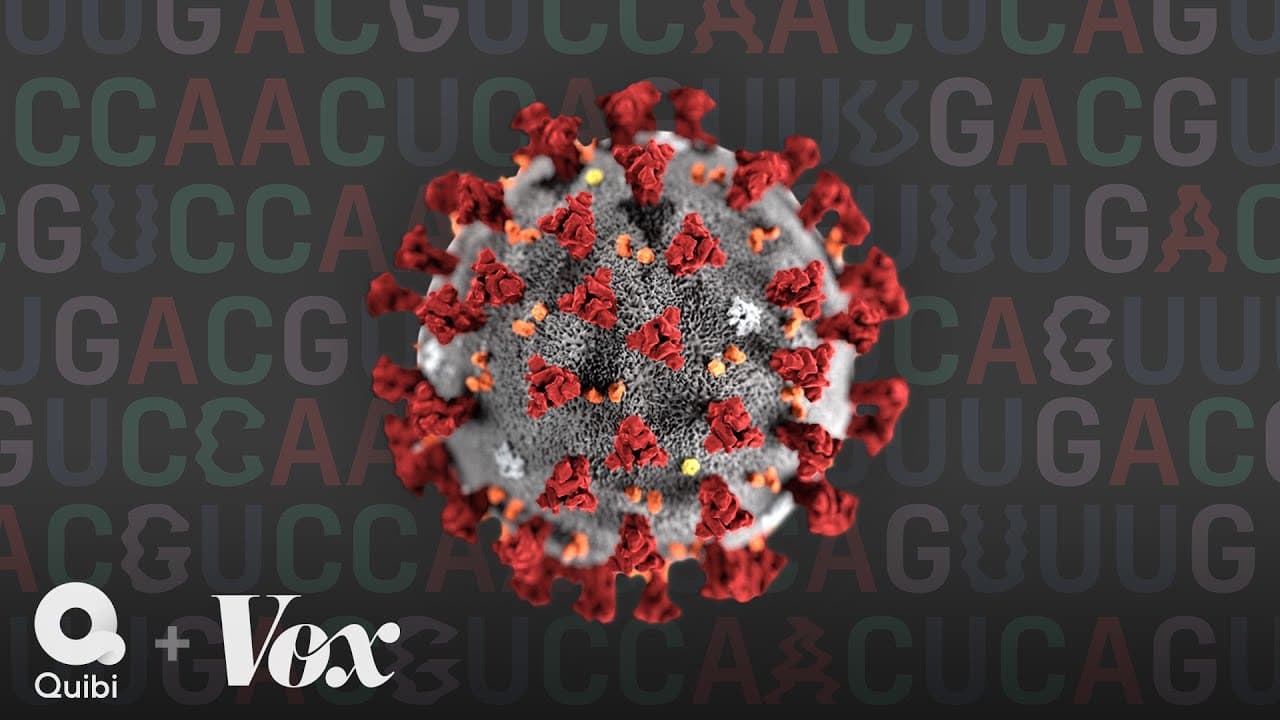
Back when researchers first analyzed the genome of a brand-new coronavirus in Wuhan, its genetic sequence looked like this. Three weeks later, researchers sequenced the genome of the same virus in a patient in Seattle. It had changed here and here and here. These changes are happening all over the world. The coronavirus is mutating. It's changed hu... Read More
Key Insights
- Coronavirus mutations are frequent, but most do not significantly alter the virus's behavior in the human body.
- The mutation D614G has drawn attention because it affects the spike protein, potentially increasing virus transmissibility.
- Mutations occur during virus replication, often resulting in silent mutations that do not change protein functions.
- D614G mutation has been identified worldwide and may be becoming the dominant form due to its increased transmissibility.
- Lab studies show D614G increases the virus's ability to infect cells, but human transmission implications remain uncertain.
- The presence of D614G does not currently change public health recommendations for preventing virus spread.
- Mutations like D614G are part of natural virus evolution, and ongoing research is crucial to understanding their impacts.
- Vox's daily show 'Answered' on Quibi provides insights into current events, including the coronavirus pandemic.
Install to Summarize YouTube Videos and Get Transcripts
Explore YouTube Video Summarizer or Get YouTube Transcript Extractor
Questions & Answers
Q: What is the significance of the D614G mutation in the coronavirus?
The D614G mutation is significant because it affects the spike protein of the coronavirus, which is crucial for the virus's ability to invade human cells. This mutation has been associated with an increased ability to infect cells in laboratory settings, raising concerns about its potential to enhance the virus's transmissibility among humans.
Q: How do mutations occur in the coronavirus?
Mutations in the coronavirus occur during the replication process when the virus copies its RNA. Errors in this process can lead to changes in the genetic sequence, known as mutations. Most mutations are silent, meaning they do not alter the virus's behavior, but some can affect protein functions and potentially impact virus characteristics.
Q: Are all coronavirus mutations dangerous?
No, not all coronavirus mutations are dangerous. Most mutations do not significantly change the virus's behavior or impact its ability to cause disease. However, certain mutations, like D614G, can potentially alter the virus's transmissibility or severity, making them subjects of scientific investigation to understand their implications better.
Q: What are the implications of the D614G mutation on public health measures?
Currently, the D614G mutation does not change public health recommendations for preventing coronavirus transmission. It serves as a reminder of the virus's high transmissibility, underscoring the importance of maintaining preventive measures such as wearing masks, practicing social distancing, and adhering to hygiene protocols to protect oneself and others.
Q: How widespread is the D614G mutation?
The D614G mutation has been detected worldwide and appears to be becoming the dominant form of the coronavirus. It was first identified in Germany and has since spread across Europe and the United States. Its global prevalence suggests that it may offer the virus some advantage, possibly related to increased transmissibility.
Q: What is the role of spike proteins in coronavirus infections?
Spike proteins play a crucial role in coronavirus infections as they facilitate the virus's entry into human cells. These proteins bind to receptors on the surface of host cells, allowing the virus to penetrate and replicate within the host. Changes in spike proteins, such as those caused by mutations, can affect the virus's ability to infect and spread.
Q: What further research is needed regarding the D614G mutation?
Further research is needed to determine if the increased ability of the D614G mutation to infect cells in laboratory settings translates to higher human-to-human transmission rates. Scientists need to conduct epidemiological studies to assess its impact on contagion rates and continue monitoring the mutation's prevalence and effects on public health.
Q: What is the focus of Vox's show 'Answered' on Quibi?
Vox's show 'Answered' on Quibi focuses on providing evidence-based explanations of current events, including the coronavirus pandemic. The show addresses a wide range of topics, offering viewers insights into various aspects of the pandemic, from virus mutations to public health measures, helping them understand the complexities of the ongoing crisis.
Summary & Key Takeaways
-
The coronavirus is undergoing mutations, with one particular mutation, D614G, raising concerns due to its potential impact on virus transmissibility. While mutations are common and mostly harmless, D614G affects the spike protein, possibly making the virus more contagious. However, its effect on human-to-human transmission is still under investigation.
-
D614G mutation has been detected globally and is becoming more prevalent. Researchers have observed that this mutation increases the virus's ability to infect cells in lab settings. Despite this, it's unclear if it leads to higher transmission rates among humans, necessitating further investigation.
-
Public health measures remain unchanged despite the D614G mutation. The mutation highlights the virus's transmissible nature, emphasizing the importance of continued vigilance. Vox's show 'Answered' on Quibi explores such topics, providing viewers with evidence-based insights into the ongoing pandemic.
Read in Other Languages (beta)
Share This Summary 📚
Summarize YouTube Videos and Get Video Transcripts with 1-Click
Try YouTube Summary with ChatGPT & Claude or YouTube Transcript Generator
Explore More Summaries from Vox 📚



Summarize YouTube Videos and Get Video Transcripts with 1-Click
Try YouTube Summary with ChatGPT & Claude or YouTube Transcript Generator