Why Do Movie Punches Look Real Despite Being Fake?
TL;DR
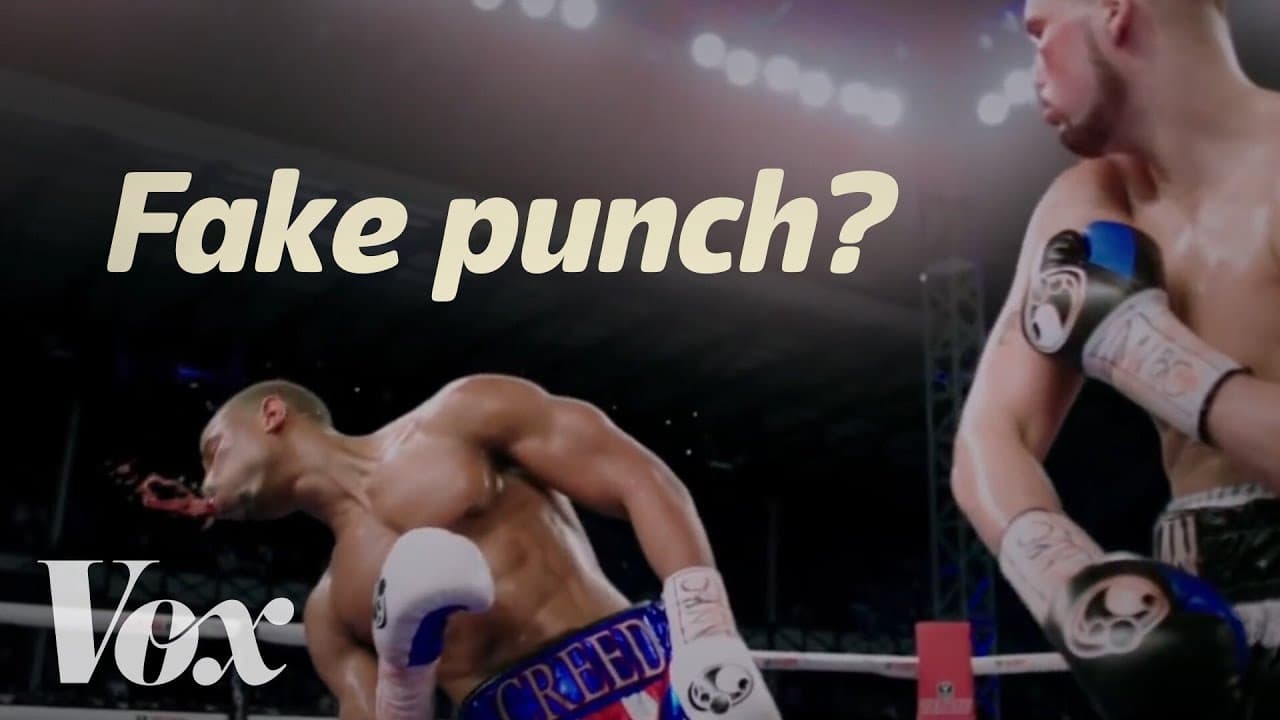
Movie punches look real due to careful choreography, camera angles, and sound design that create the illusion of impact without harm. Stunt coordinators use techniques like 'stacking the action' to hide distances between actors and often employ padding for safety, allowing for multiple takes. Visual effects and sound also enhance the perception of hits, immersing the audience in the fight scene.
Transcript
So the other day I was watching Shang-Chi and I was Oh my God, why did you do that? I just didn't like the way you delivered those lines. So you punched me in the freaking face? So, the other day So, the So— So the other day I was watching Shang-Chi and I was so impressed by the fight sequence on the bus and how they were able to make it feel s... Read More
Key Insights
- Stunt coordinators like Wade Eastwood use previsualization to plan fight scenes, ensuring safety and realism without actual harm to actors.
- Action vis involves shooting live-action sequences with stuntmen, allowing filmmakers to perfect camera angles and choreography before filming the final scene.
- Successful fight scenes depend on both the punch thrower and receiver performing convincingly to create the illusion of impact.
- Stacking the action involves positioning the camera to hide the distance between actors, making punches appear more realistic.
- In slow-motion shots, actual contact is sometimes necessary to maintain the illusion of realism, as gaps would be noticeable.
- Falling safely is a skill, distributing impact across the body to prevent injury while maintaining the appearance of a hard hit.
- Strategically hidden padding and soft materials are used to protect actors during stunts, allowing for multiple takes without injury.
- Sound design and visual effects enhance the perceived impact of punches, with techniques like cutting frames to intensify hits.
Install to Summarize YouTube Videos and Get Transcripts
Explore YouTube Video Summarizer or Get YouTube Transcript Extractor
Questions & Answers
Q: How do filmmakers plan fight scenes to ensure safety?
Filmmakers use previsualization to plan fight scenes, allowing them to choreograph movements and camera angles in advance. This process involves creating action vis, where stuntmen perform the sequences in a controlled environment to ensure safety and realism. By doing this, filmmakers can perfect the scene before shooting the final version.
Q: What is stacking the action, and why is it important?
Stacking the action is a technique used to position the camera in a way that hides the distance between actors, making punches appear more realistic. It is important because it creates the illusion of impact, helping to sell the fight scene to the audience without actual physical contact, which ensures the safety of the performers.
Q: Why might actual contact be necessary in slow-motion shots?
In slow-motion shots, actual contact might be necessary because any gaps between the actors would be noticeable, breaking the illusion of realism. Slow-motion captures every detail, so to maintain the appearance of a genuine hit, actors may need to make real contact, ensuring the scene looks convincing to the audience.
Q: How do stunt performers ensure safety during falls?
Stunt performers ensure safety during falls by distributing the impact across their bodies, using techniques to absorb shock gradually. This involves using parts like the forearm and shoulder to take on small percentages of the impact, minimizing the risk of injury. Additionally, hidden padding and soft materials provide further protection.
Q: What role does sound design play in fight scenes?
Sound design plays a crucial role in enhancing the perceived impact of punches in fight scenes. By adding sound effects that match the intensity of the action, filmmakers can clarify when a hit lands or misses, making the scene feel more immersive and realistic to the audience, even when the punches aren't real.
Q: How do visual effects contribute to the realism of fight scenes?
Visual effects contribute to the realism of fight scenes by enhancing the perceived impact of hits. Techniques such as cutting frames where contact is supposed to occur trick the brain into perceiving more power behind a punch. Additionally, digital effects can be used to adjust the positioning of actors for added intensity.
Q: Why is a compelling story important in fight scenes?
A compelling story is important in fight scenes because it provides context and stakes, making the action more engaging for the audience. Without a meaningful narrative or emotional journey, even well-choreographed fights can feel empty. When viewers understand the characters' motivations, they become more invested in the outcome of the fight.
Q: What are some common materials used to protect actors during stunts?
Common materials used to protect actors during stunts include strategically hidden padding and soft materials that mimic the appearance of harder surfaces like wood or concrete. These materials allow actors to perform more intense actions safely and enable multiple takes without causing injury, ensuring both realism and safety in the final scene.
Summary & Key Takeaways
-
Stunt coordination is a crucial element in making movie fight scenes appear realistic. Experts like Wade Eastwood use previsualization and action vis to plan sequences safely and effectively. By choreographing movements and camera angles, they create the illusion of impact without actual harm to actors.
-
Both the punch thrower and receiver must convincingly perform their roles to sell the realism of a fight scene. Techniques such as stacking the action and using soft materials for protection allow for repeated takes while maintaining the appearance of a genuine fight.
-
Sound design and visual effects play a significant role in enhancing the perceived impact of punches. Tricks like cutting frames and strategic camera positioning create a more intense experience for viewers, making them feel immersed in the action.
Read in Other Languages (beta)
Share This Summary 📚
Summarize YouTube Videos and Get Video Transcripts with 1-Click
Try YouTube Summary with ChatGPT & Claude or YouTube Transcript Generator
Explore More Summaries from Vox 📚
Summarize YouTube Videos and Get Video Transcripts with 1-Click
Try YouTube Summary with ChatGPT & Claude or YouTube Transcript Generator