What Is Independent Cinema History?
TL;DR
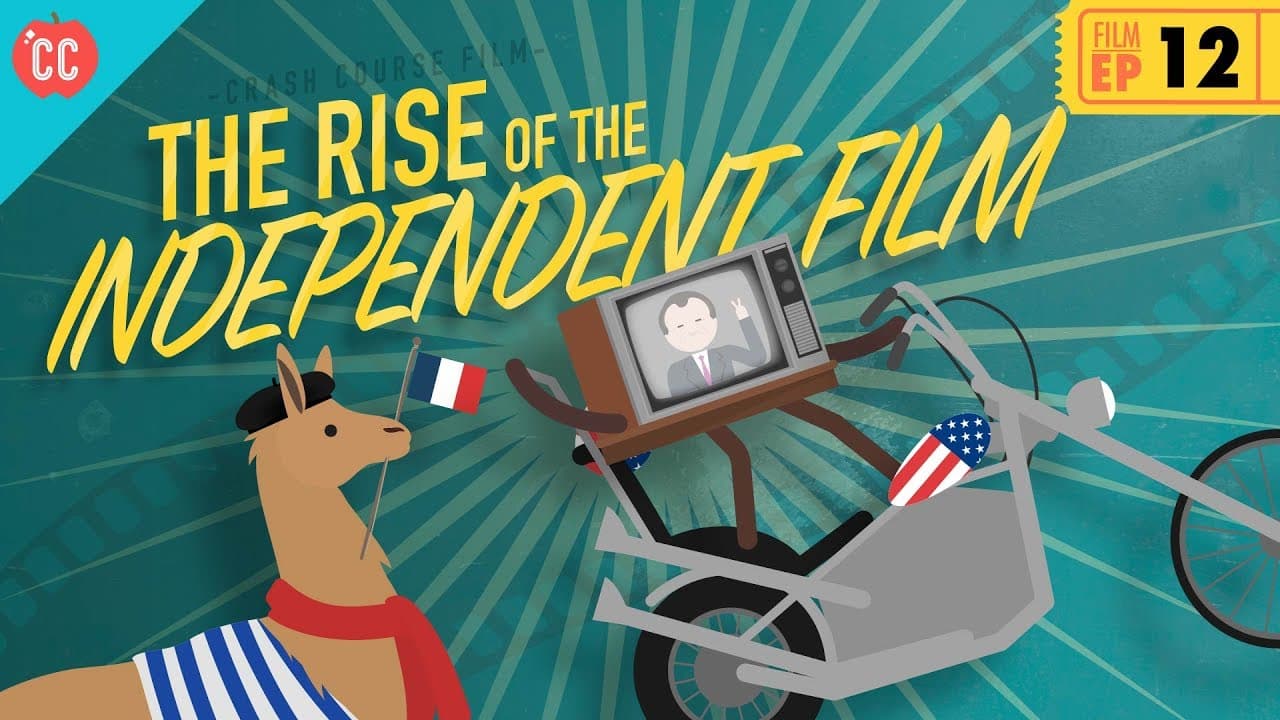
Independent cinema emerged as a response to the repetitive and formulaic nature of classical Hollywood films. Movements like Italian Neo-Realism and the French New Wave challenged traditional filmmaking by focusing on authenticity, innovative techniques, and storytelling. This shift influenced American cinema and led to the rise of independent films and new Hollywood directors who sought to create more personal and unique films.
Transcript
What’s playing at the multiplex today? Another big-budget sequel? The same old romantic comedy? Yet another superhero movie? ...probably that last one. A lot of the time, Hollywood is driven by trends. The success of one film or genre inspires others to jump on the bandwagon. And that’s how we end up with nothing but reboots and dystopian fantasies... Read More
Key Insights
- Independent cinema arose as a reaction to the formulaic nature of Hollywood films post-World War II.
- Italian Neo-Realism focused on raw, authentic storytelling using non-professional actors and real locations.
- The French New Wave was characterized by spontaneous plots, minimal crews, and playful cinematic techniques.
- The 1948 antitrust lawsuit opened the U.S. film market to more diverse filmmaking beyond major studios.
- Films like 'Bonnie and Clyde' and 'Easy Rider' marked a shift in American cinema towards independent production.
- New Hollywood Cinema allowed directors like Scorsese and Coppola to create personal, innovative films with studio support.
- The rise of blockbusters in the 1980s shifted the focus back to broad, commercially successful films.
- The 1990s saw a resurgence of independent filmmaking with directors like Tarantino and Soderbergh pushing creative boundaries.
Install to Summarize YouTube Videos and Get Transcripts
Explore YouTube Video Summarizer or Get YouTube Transcript Extractor
Questions & Answers
Q: How did Italian Neo-Realism influence cinema?
Italian Neo-Realism influenced cinema by introducing a raw, authentic style that focused on the everyday struggles of ordinary people. Filmmakers used non-professional actors and real locations to create a sense of realism and emotional depth. This movement challenged the artificiality of Hollywood films and inspired filmmakers worldwide to pursue more genuine storytelling.
Q: What are the characteristics of the French New Wave?
The French New Wave is characterized by spontaneous and absurd plots, minimal crews, and innovative cinematic techniques. Filmmakers used natural lighting, jump cuts, and direct camera address to create a playful and authentic film experience. The movement emphasized personal expression and challenged traditional storytelling, significantly impacting global cinema.
Q: Why was the 1948 antitrust lawsuit significant for American cinema?
The 1948 antitrust lawsuit, United States versus Paramount Pictures, Inc., was significant because it forced major studios to divest their theater chains, opening the market to independent films. This allowed diverse filmmaking voices to emerge, challenging the dominance of studio-produced content and paving the way for the rise of independent cinema in the U.S.
Q: How did 'Bonnie and Clyde' impact American film history?
'Bonnie and Clyde' impacted American film history by blending French New Wave influences with American storytelling, featuring unapologetic sexuality, humor, and violence. Its success demonstrated that films outside the traditional studio system could achieve commercial and critical acclaim, encouraging a wave of independent filmmaking and reshaping the landscape of American cinema.
Q: What led to the decline of New Hollywood Cinema?
The decline of New Hollywood Cinema was due to several factors, including the increasing budgets of films, leading to higher financial risks and pressure for box office success. Additionally, the rise of blockbuster films like 'Jaws' and 'Star Wars' shifted focus to broad, commercially appealing entertainment, while corporate ownership of studios prioritized profitability over artistic experimentation.
Q: How did the 1980s blockbuster era change the film industry?
The 1980s blockbuster era changed the film industry by prioritizing large-scale, commercially successful films that appealed to mass audiences. This shift led to a focus on high-concept, escapist entertainment, reducing the prevalence of risky, personal storytelling. Studios became more corporate, with decisions driven by marketability and profitability, altering the balance between art and commerce in filmmaking.
Q: What role did independent filmmakers play in the 1990s?
Independent filmmakers in the 1990s played a crucial role in reviving creative, original storytelling in American cinema. Directors like Quentin Tarantino and Steven Soderbergh made films outside the major studio system, focusing on unique narratives and innovative styles. Their success demonstrated a continued audience hunger for diverse and challenging content, influencing the film industry to support more independent projects.
Q: How did New Hollywood directors influence modern cinema?
New Hollywood directors influenced modern cinema by introducing more personal, innovative storytelling that challenged traditional studio norms. Filmmakers like Martin Scorsese and Francis Ford Coppola brought unique visions and experimental techniques to mainstream films, inspiring future generations of directors to push creative boundaries and explore diverse narratives, ultimately shaping the evolution of contemporary filmmaking.
Summary & Key Takeaways
-
Independent cinema emerged in response to the formulaic nature of Hollywood films, with Italian Neo-Realism and the French New Wave leading the charge. These movements focused on authenticity and innovation, influencing American filmmakers to create unique, personal films. The shift led to the rise of New Hollywood Cinema and a resurgence of independent filmmaking in the 1990s.
-
Italian Neo-Realism and the French New Wave challenged classical Hollywood by emphasizing authenticity and innovative techniques. This inspired American filmmakers in the 1960s and 70s, leading to a period of creative control known as New Hollywood Cinema. The 1980s saw a return to blockbusters, but the 1990s brought a new wave of independent filmmakers.
-
Post-war film movements like Italian Neo-Realism and the French New Wave reacted against classical Hollywood's formulaic style. These movements influenced New Hollywood Cinema, allowing directors to create personal films with studio backing. The 1980s favored blockbusters, but the 1990s saw a resurgence of independent filmmaking, continuing the legacy of innovative cinema.
Read in Other Languages (beta)
Share This Summary 📚
Summarize YouTube Videos and Get Video Transcripts with 1-Click
Try YouTube Summary with ChatGPT & Claude or YouTube Transcript Generator
Explore More Summaries from CrashCourse 📚





Summarize YouTube Videos and Get Video Transcripts with 1-Click
Try YouTube Summary with ChatGPT & Claude or YouTube Transcript Generator