What Caused the Outbreak of World War I in 1914?
TL;DR
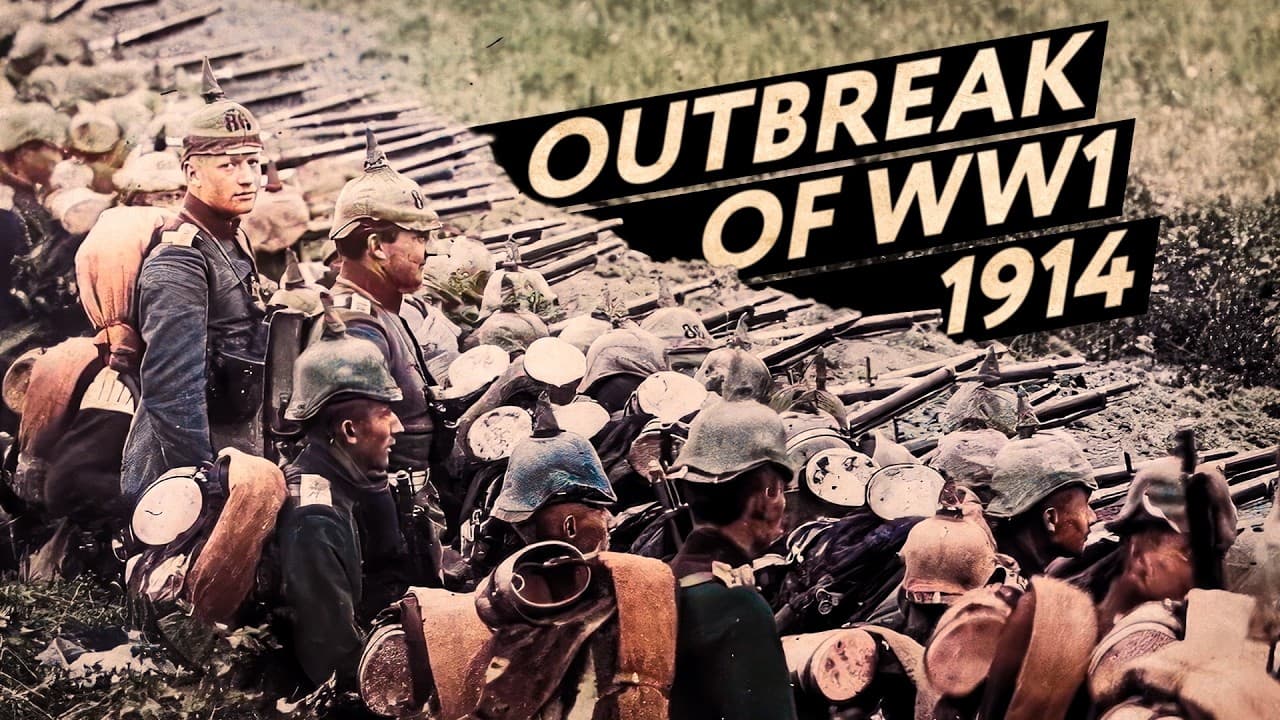
The outbreak of World War I in 1914 was triggered by the assassination of Archduke Franz Ferdinand, which escalated tensions due to complex alliances, nationalism, and imperial ambitions. Austria-Hungary's ultimatum to Serbia led to declarations of war, quickly drawing in other nations and transforming a regional conflict into a global war.
Transcript
In 1914, Europe was at the peak of its power. The Great Powers had built global empires and armies larger and more powerful than any in history, and that summer, they would turn them against each other. Each expected to triumph over its enemies in a short victorious war, but instead 1914 dragged them into an abyss with no end in sight. In the d... Read More
Key Insights
- The assassination of Archduke Franz Ferdinand in 1914 triggered the July Crisis, leading to the outbreak of World War I.
- Nationalism, imperial competition, and military alliances heightened tensions among the Great Powers before the war.
- Germany's ambitions and naval expansion provoked reactions from Britain and other powers, contributing to the war's outbreak.
- The complex system of alliances meant that a conflict between two powers could easily escalate into a wider war.
- The July Crisis saw Austria-Hungary issuing an ultimatum to Serbia, leading to declarations of war and the involvement of other powers.
- The war quickly expanded beyond Europe, involving global empires and resulting in trench warfare on the Western Front.
- Historians debate the causes of the war, with some blaming Germany's assertiveness and others pointing to broader systemic factors.
- The war's outbreak marked the beginning of a prolonged and devastating conflict that reshaped global politics and societies.
Install to Summarize YouTube Videos and Get Transcripts
Explore YouTube Video Summarizer or Get YouTube Transcript Extractor
Questions & Answers
Q: What triggered the July Crisis in 1914?
The July Crisis in 1914 was triggered by the assassination of Archduke Franz Ferdinand of Austria-Hungary by a Serbian nationalist. This event set off a chain reaction of diplomatic and military maneuvers among the Great Powers, leading to the outbreak of World War I.
Q: How did nationalism contribute to the outbreak of World War I?
Nationalism played a significant role in the lead-up to World War I by fostering intense pride and competition among nations. It fueled desires for imperial expansion and military buildup, exacerbating tensions between rival powers. Nationalistic fervor also contributed to the public's support for war as a means of defending national interests.
Q: What role did alliances play in the escalation of World War I?
Alliances played a crucial role in escalating World War I. The complex web of alliances, such as the Triple Alliance and the Triple Entente, meant that a conflict between two countries could quickly involve others. When Austria-Hungary declared war on Serbia, the alliance systems pulled in Russia, Germany, France, and eventually Britain, leading to a widespread conflict.
Q: Why did Germany's naval expansion increase tensions with Britain?
Germany's naval expansion, particularly its construction of a bluewater navy, threatened Britain's naval supremacy and security. As a maritime power, Britain viewed Germany's growing naval capabilities as a direct challenge, leading to an arms race and increased tensions between the two nations, contributing to the broader tensions that led to World War I.
Q: What was the significance of the 'blank cheque' in the July Crisis?
The 'blank cheque' was a promise of unconditional support from Germany to Austria-Hungary during the July Crisis. It emboldened Austria-Hungary to take a hardline stance against Serbia, knowing it had Germany's backing. This assurance played a critical role in Austria-Hungary's decision to issue an ultimatum to Serbia, escalating the crisis into a full-scale war.
Q: How did trench warfare develop during World War I?
Trench warfare developed during World War I as a response to the deadlock and high casualties of open battles. The rapid advancement of military technology, such as artillery and machine guns, made traditional tactics ineffective. Armies dug extensive networks of trenches for protection, leading to a prolonged and grueling stalemate on the Western Front.
Q: What were the main factors that led to the failure of initial war plans in 1914?
The initial war plans in 1914 failed due to several factors, including the underestimation of enemy strength, logistical challenges, and the unexpected resilience of defensive positions. The rapid mobilization and deployment of large armies also strained communication and coordination, leading to chaotic and ineffective operations, ultimately resulting in a stalemate and trench warfare.
Q: How did the entry of the Ottoman Empire affect World War I?
The entry of the Ottoman Empire into World War I on the side of the Central Powers opened new fronts in the Middle East and the Caucasus. It added complexity to the conflict, as the Allies had to divert resources to these regions. The Ottoman Empire's involvement also had significant geopolitical implications, affecting the balance of power and post-war territorial arrangements.
Summary & Key Takeaways
-
The assassination of Archduke Franz Ferdinand in 1914 led to the July Crisis, escalating tensions among European powers. Nationalism, imperial ambitions, and military alliances contributed to the outbreak of World War I, as countries were drawn into conflict through complex alliances.
-
Germany's naval expansion and ambitions for a 'place in the sun' increased tensions with other Great Powers. The July Crisis saw Austria-Hungary issuing an ultimatum to Serbia, triggering declarations of war and drawing in other nations through alliances.
-
World War I quickly expanded beyond Europe, involving global empires and resulting in trench warfare on the Western Front. Historians debate the causes, with some blaming Germany's actions and others pointing to systemic issues. The war reshaped global politics and societies.
Read in Other Languages (beta)
Share This Summary 📚
Summarize YouTube Videos and Get Video Transcripts with 1-Click
Try YouTube Summary with ChatGPT & Claude or YouTube Transcript Generator
Explore More Summaries from The Great War 📚
Summarize YouTube Videos and Get Video Transcripts with 1-Click
Try YouTube Summary with ChatGPT & Claude or YouTube Transcript Generator