Kurds in WW1 - The Swagger Stick I OUT OF THE TRENCHES
TL;DR
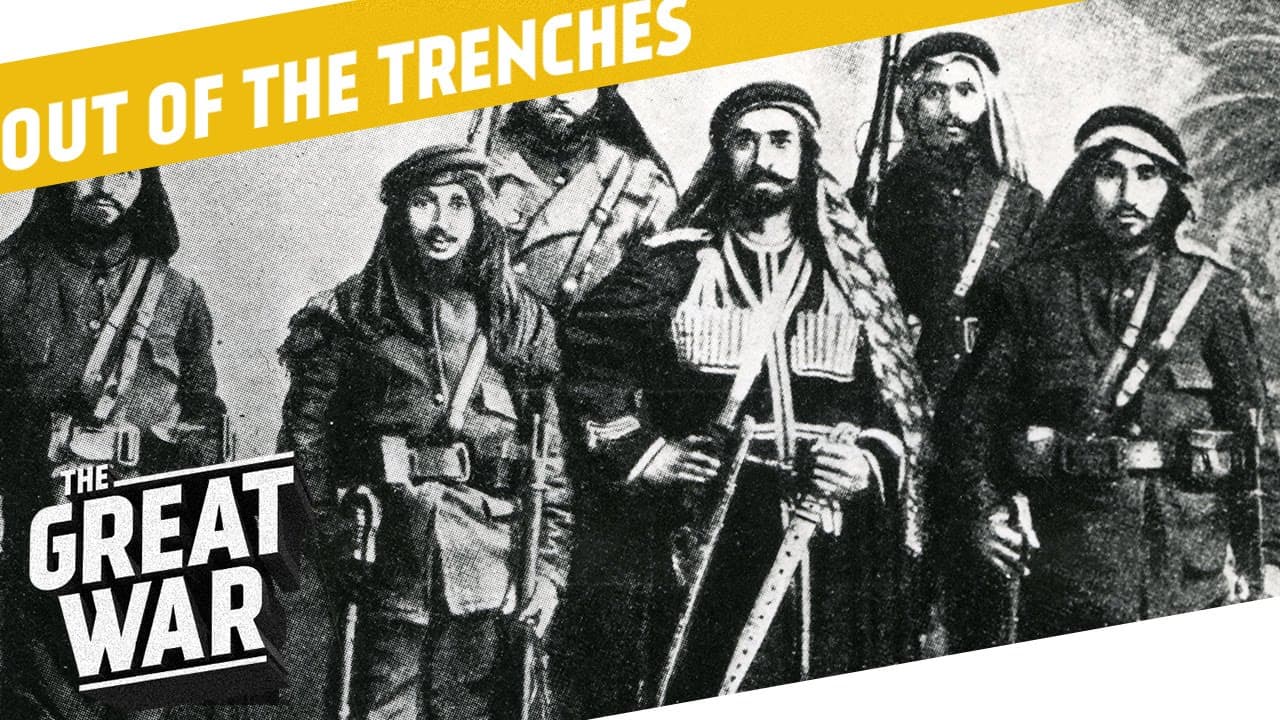
Exploration of Kurds' role in WWI and British swagger sticks.
Transcript
I'm Indie nidel and this is out of the trenches where I sit here in the chair of wisdom and answer all your questions well most of them about the first world war Veno nanagas from patreon writes hi Indie flow and the Great War team yes that's an exclamation mark he actually wrote that in cool some of my friends have been telling me about your show ... Read More
Key Insights
- The swagger stick was a symbol of authority in the British military, primarily used by higher officers, and was part of the off-duty dress uniform.
- Swagger sticks were not typically used in combat but were part of the gentlemanly status that officers pursued during World War I.
- Kurdish involvement in World War I was complex, with many Kurds supporting the Ottoman Empire due to promises of autonomy.
- Kurdish nationalism clashed with Armenian nationalism, leading to conflicts and involvement in the Armenian Genocide.
- There were Kurdish tribes that participated in the plundering and killing of Armenians, but some Kurdish families also helped Armenian refugees.
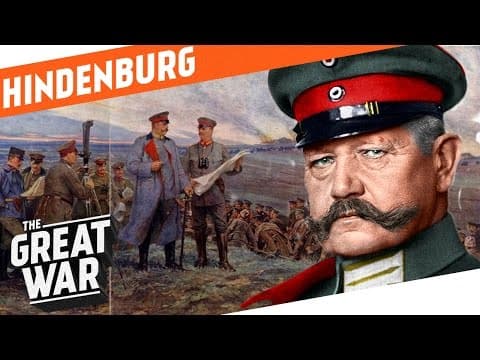
- The Battle of Tannenberg was marked by internal rivalries within the Russian high command, contributing to their defeat against the Germans.
- German commanders Ludendorff and Hindenburg succeeded at Tannenberg due to their ability to set aside differences and work towards a common goal.
- The episode highlights the importance of leadership and cooperation in military success, contrasting the German and Russian approaches during the battle.
Install to Summarize YouTube Videos and Get Transcripts
Explore YouTube Video Summarizer or Get YouTube Transcript Extractor
Questions & Answers
Q: What was the purpose of the swagger stick in the British military?
The swagger stick was a symbol of authority and status in the British military, primarily used by higher-ranking officers. It was part of the off-duty dress uniform and represented a gentlemanly status. Although it was not used in combat, it was an important part of the military's cultural and hierarchical structure.
Q: What role did the Kurds play in World War I?
The Kurds played a complex role in World War I, primarily supporting the Ottoman Empire due to promises of autonomy. Many Kurds served in the Ottoman military, particularly in the cavalry, which was highly valued. However, Kurdish nationalism often clashed with Armenian nationalism, leading to involvement in the Armenian Genocide and regional conflicts.
Q: How did internal rivalries affect the Russian forces at the Battle of Tannenberg?
Internal rivalries significantly affected the Russian forces at the Battle of Tannenberg. Commanders Samsonov and Rennenkampf had personal grudges and failed to coordinate effectively, leading to a lack of support between the First and Second Armies. This disunity contributed to their defeat by the German forces, who were able to set aside differences and work together.
Q: Why is the Battle of Tannenberg considered a significant German victory?
The Battle of Tannenberg is considered a significant German victory because the German forces, despite being outnumbered and outgunned, managed to decisively defeat the Russian Second Army. This success was largely due to effective leadership and cooperation between German commanders Ludendorff and Hindenburg, who were able to exploit the disunity and poor coordination within the Russian high command.
Q: Did the Kurds receive autonomy after World War I?
Despite promises made during World War I, the Kurds did not receive autonomy or independence after the war. The Ottoman Empire's defeat and subsequent treaties did not result in the establishment of an independent Kurdistan, and Kurdish aspirations for autonomy were largely unfulfilled, leading to ongoing regional tensions and conflicts.
Q: What is the significance of the swagger stick in British military culture?
The swagger stick holds significance in British military culture as a symbol of authority and status. It was an important part of the officers' dress uniform, representing the gentlemanly ideals and hierarchical structure of the military. Although not used in combat, it was an emblem of respect and authority among officers, reflecting the cultural values of the time.
Q: How did Kurdish nationalism impact the region during World War I?
Kurdish nationalism impacted the region during World War I by creating tensions and conflicts with Armenian nationalism. The Kurds' desire for autonomy and an independent Kurdistan clashed with Armenian territorial claims, leading to violence and involvement in the Armenian Genocide. These nationalist aspirations and conflicts shaped the regional dynamics and contributed to the complexities of the war.
Q: How did the German command structure contribute to their success at Tannenberg?
The German command structure contributed to their success at Tannenberg through effective leadership and cooperation between commanders Ludendorff and Hindenburg. Unlike the Russian commanders, who were plagued by personal rivalries and poor coordination, the German leaders were able to set aside differences and work towards a common goal. This unity and strategic planning allowed them to exploit Russian weaknesses and achieve a decisive victory.
Summary & Key Takeaways
-
The episode discusses the role of the Kurds in World War I, focusing on their alliance with the Ottoman Empire due to promises of autonomy. It also explores their involvement in the Armenian Genocide and the internal conflicts within Kurdish nationalism.
-
The swagger stick, an emblem of authority in the British military, is examined. Although not used in combat, it was part of the officers' dress uniform, symbolizing status and respect within the military hierarchy.
-
The Battle of Tannenberg is analyzed, highlighting the internal rivalries within the Russian high command that led to their defeat. The episode contrasts this with the German commanders' ability to cooperate, leading to their victory despite being outnumbered.
Read in Other Languages (beta)
Share This Summary 📚
Summarize YouTube Videos and Get Video Transcripts with 1-Click
Try YouTube Summary with ChatGPT & Claude or YouTube Transcript Generator
Explore More Summaries from The Great War 📚
Summarize YouTube Videos and Get Video Transcripts with 1-Click
Try YouTube Summary with ChatGPT & Claude or YouTube Transcript Generator