Officer and Soldier Relationships - Treatment of Criminals I OUT OF THE TRENCHES
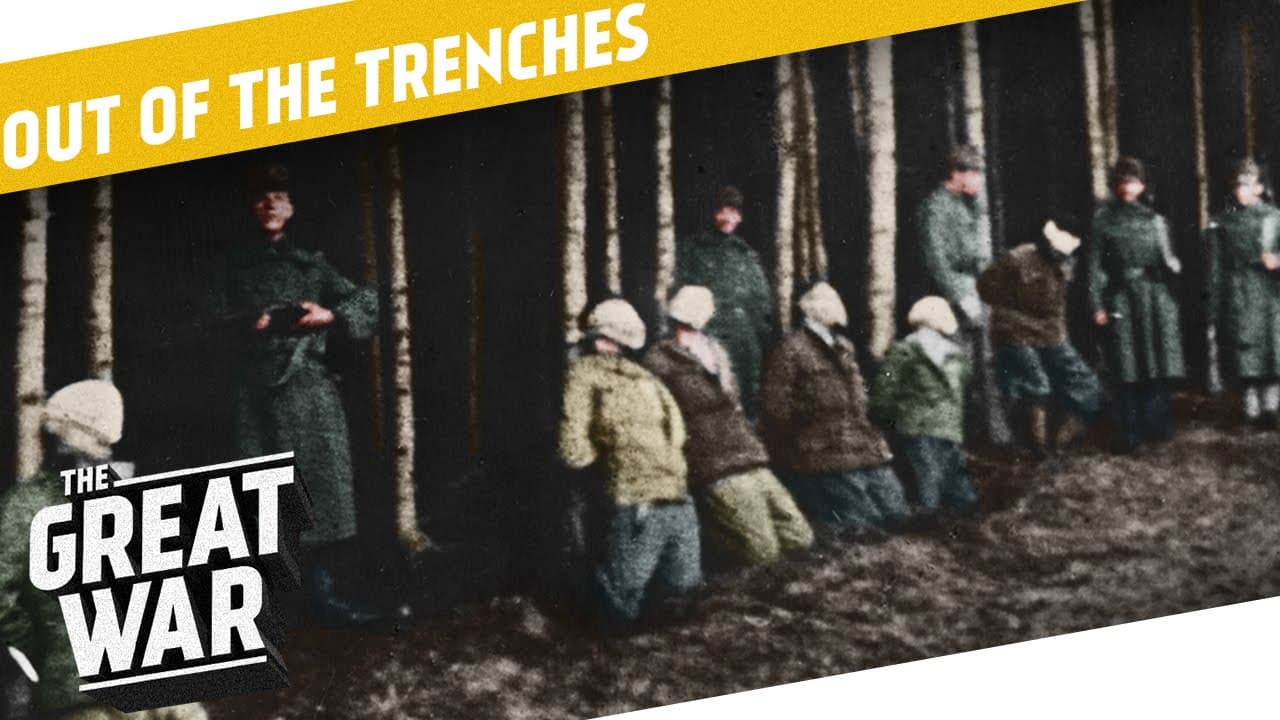
TL;DR
Explores officer-soldier relationships and treatment of criminals in WWI.
Transcript
I'm Indie nidel and I'm sitting here in a hotel in chishill Poland because we're rebuilding our studio in Berlin so we're shooting on the road and this is another outstanding episode of out of the trenches where I sit here in the chair of temporary insanity in front of the horses of wisdom and answer all and the flow of knowledge oo and answer all ... Read More
Key Insights
- Officers often tricked soldiers with false promises to motivate them for dangerous missions, knowing the high risk of death.
- Frontline soldiers developed deep camaraderie due to shared hardships, contrasting with the cultural gap between them and high-ranking officers.
- WWI lacked official penal military units, unlike WWII, but petty criminals were sometimes sent to the front lines.
- Military regulations were strict, ensuring discipline among soldiers, with severe crimes often punishable by death.
- Cultural and respectful disconnects between officers and soldiers often led to issues, as seen in novels depicting WWI experiences.
- Flogging was reintroduced by the Russian army in 1915 to maintain discipline, though its frequency is unclear.
- The Great War project aims to provide a real-time historical account of WWI, enhancing public understanding of the conflict.
- The project encourages educational use of its content, supporting teachers and students in learning about WWI.
Install to Summarize YouTube Videos and Get Transcripts
Explore YouTube Video Summarizer or Get YouTube Transcript Extractor
Questions & Answers
Q: How did officers motivate soldiers for dangerous missions?
Officers often used deceitful tactics to motivate soldiers, promising that missions would be easy despite the high risk of death. This was a common strategy throughout military history, as leaders needed to encourage troops to face dangerous situations, even if it meant lying about the reality of the mission.
Q: What was the relationship between frontline soldiers and higher-ranking officers?
Frontline soldiers often developed strong bonds of camaraderie due to shared hardships, contrasting with a cultural and respectful disconnect with higher-ranking officers. This gap often led to issues, as officers were sometimes seen as out of touch with the realities faced by soldiers on the ground.
Q: Were there penal military units during WWI?
Unlike WWII, there were no official penal military units during WWI. However, petty criminals were sometimes sent to the front lines under the supervision of officers and enlisted men. Military regulations were strict, ensuring discipline among soldiers and maintaining order within the ranks.
Q: How were military crimes punished during WWI?
Military crimes during WWI were punished according to the severity of the offense. Severe crimes like plundering and destruction of military equipment were punishable by death, while lesser offenses like disobedience and drunkenness faced lighter disciplinary measures. Penal servitude was more serious than imprisonment, reserved for particularly nasty offenses.
Q: What role did cultural disconnect play in WWI military dynamics?
Cultural disconnect between officers and soldiers often led to issues in military dynamics. Officers were sometimes seen as out of touch with the realities faced by soldiers, leading to a lack of respect and loyalty. This disconnect is depicted in novels about WWI, highlighting the challenges of bridging the gap between command and frontline experiences.
Q: What disciplinary measures were used by the Russian army during WWI?
The Russian army reintroduced flogging in 1915 to maintain discipline among soldiers, particularly to punish the breakdown of discipline. However, the frequency of flogging and its effectiveness in maintaining order are not well-documented, leaving some uncertainty about its overall impact on military discipline.
Q: What is the goal of The Great War project?
The Great War project aims to provide a real-time historical account of WWI, enhancing public understanding of the conflict. It uses various media platforms to engage and educate the public, offering insights into the war's complexities and encouraging educational use of its content in classrooms and other settings.
Q: How does The Great War project support educational use of its content?
The Great War project encourages the use of its content in educational settings, supporting teachers and students in learning about WWI. It offers a comprehensive historical account of the war, using various media platforms to engage audiences and provide insights into the complexities of the conflict, enhancing public understanding and education.
Summary & Key Takeaways
-
The video discusses the dynamics between officers and soldiers during WWI, highlighting how officers sometimes used deceit to motivate troops for dangerous missions. It also touches on the camaraderie among frontline soldiers and the cultural disconnect with higher-ranking officers.
-
Indy Neidell explains the treatment of criminals during WWI, noting the absence of official penal units like those in WWII. Instead, petty criminals were often sent to the front lines, and military discipline was maintained through strict regulations and severe punishments.
-
The Great War project aims to provide a comprehensive historical account of WWI, using various media platforms to engage and educate the public. The project encourages the use of its content in educational settings and offers insights into the war's complexities.
Read in Other Languages (beta)
Share This Summary 📚
Summarize YouTube Videos and Get Video Transcripts with 1-Click
Try YouTube Summary with ChatGPT & Claude or YouTube Transcript Generator
Explore More Summaries from The Great War 📚
Summarize YouTube Videos and Get Video Transcripts with 1-Click
Try YouTube Summary with ChatGPT & Claude or YouTube Transcript Generator