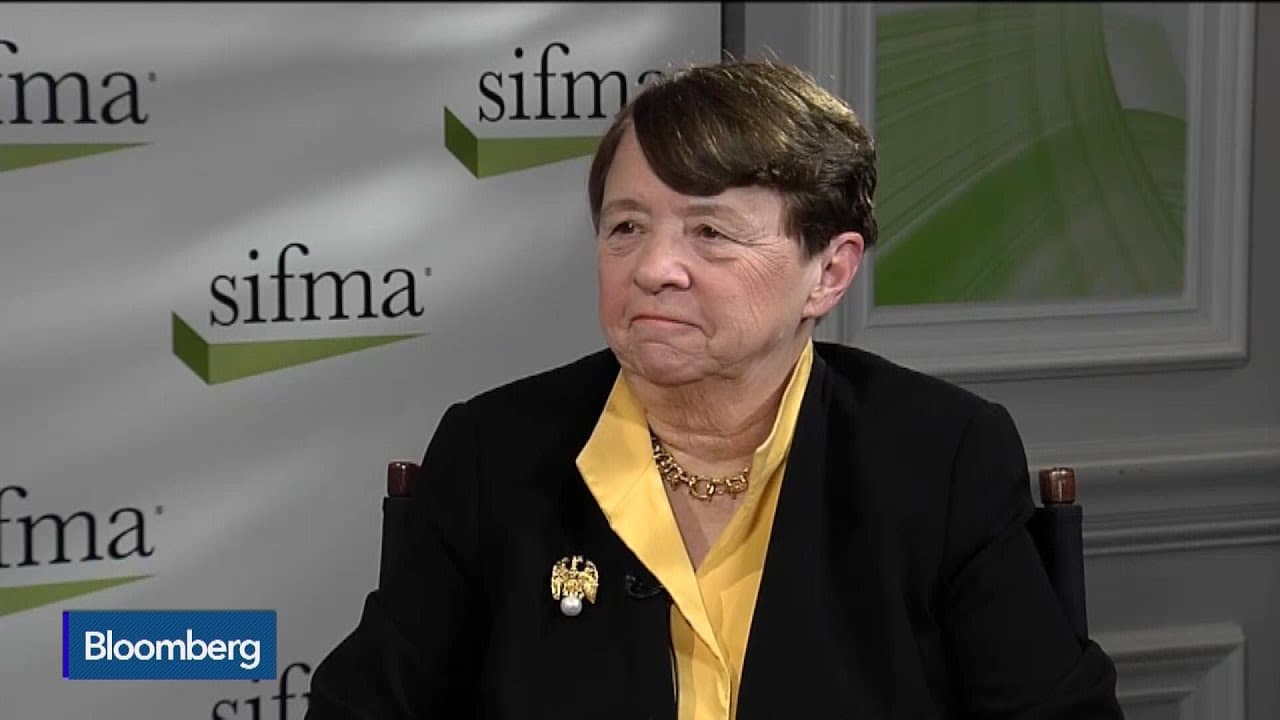
SEC Chair White: Short Selling Gets Continuous Attention
TL;DR
SEC Chair White addresses short selling and market manipulation concerns.
Transcript
I suppose we should begin here. You are no doubt aware over the increasing or growing attention, let's say, in the controversial role that short sellers play in financial markets, particularly the stock market. And I'd like to know this, how concerned are you that some short sellers may be manipulating the market and the prices of certain stocks ei... Read More
Key Insights
- Short selling plays a legitimate role in financial markets, but manipulation through misinformation is heavily policed by the SEC.
- The SEC continuously monitors short selling activities, ensuring they occur in an orderly and legitimate manner.
- Concerns exist about short sellers potentially engaging in insider trading by giving clients advanced notice of negative positions.
- The SEC is considering increased disclosure requirements for short sellers, similar to those for long positions, but no decisions have been made.
- The role of activist investors is scrutinized by the SEC, ensuring compliance without taking sides between activists and non-activists.
- The SEC examines the impact of high-frequency trading in both stock and bond markets, focusing on optimizing regulation.
- Volatility in financial markets is a concern for the SEC, which continuously reviews market structures to protect investors.
- Post-crisis regulations have shifted risk from regulated to potentially less regulated entities, raising concerns about regulatory adequacy.
Install to Summarize YouTube Videos and Get Transcripts
Explore YouTube Video Summarizer or Get YouTube Transcript Extractor
Questions & Answers
Q: What role does short selling play in financial markets?
Short selling is a legitimate and essential component of financial markets, allowing for liquidity and price discovery. It facilitates the meeting of buyers and sellers with diverse positions. However, the SEC distinguishes between legitimate short selling and manipulative practices that involve misinformation or deceit, which are subject to enforcement.
Q: How does the SEC address concerns of market manipulation by short sellers?
The SEC actively monitors and enforces against market manipulation by short sellers, particularly when it involves spreading false information to influence stock prices. The agency has brought cases against such manipulative practices and continues to scrutinize activities to ensure compliance with federal securities laws.
Q: What is the SEC's stance on disclosure requirements for short sellers?
The SEC is evaluating the potential for increased disclosure requirements for short sellers, similar to those for long positions. This consideration stems from market participant advocacy and aims to enhance transparency. However, no definitive stance or regulatory changes have been announced yet.
Q: How does the SEC view the role of activist investors?
The SEC views activist investors as integral market participants subject to the same rules as others. The agency scrutinizes their activities to ensure compliance with securities laws but does not take sides between activists and non-activists. The focus is on maintaining fair and orderly markets.
Q: What concerns does the SEC have about high-frequency trading?
The SEC is concerned about the impact of high-frequency trading on market stability and transparency. The agency is reviewing regulatory frameworks to optimize oversight of such trading strategies, ensuring they do not undermine market integrity. This involves analyzing both stock and bond market activities.
Q: How does the SEC address market volatility?
The SEC continuously monitors market volatility as part of its market quality assessments. The agency reviews market structures, such as the limit up-limit down rules, to protect investors from extreme price movements. Ongoing analysis of market events informs potential regulatory adjustments to enhance stability.
Q: What are the SEC's concerns about risk shifting post-crisis?
Post-crisis regulations have shifted risk from regulated to potentially less regulated entities. The SEC is concerned about whether current regulations are robust enough to address these new risk dynamics. The agency is actively reviewing its regulatory frameworks, particularly in the asset management sector, to mitigate systemic risks.
Q: How does the SEC ensure transparency in the bond market?
The SEC prioritizes transparency in the bond market, addressing similar issues as in equity markets. The agency seeks to enhance public and regulatory visibility into bond market activities, ensuring that trading practices are transparent and adhere to regulatory standards. Ongoing efforts aim to optimize oversight and protect market integrity.
Summary & Key Takeaways
-
SEC Chair Mary Jo White discusses the complexities of regulating short selling, emphasizing its legitimate market role while addressing manipulation risks. The SEC actively pursues enforcement against misleading practices and considers increased disclosure requirements to enhance market transparency.
-
Activist investors and high-frequency trading are under scrutiny by the SEC, which seeks to ensure compliance across all market participants. The agency does not favor any particular group but focuses on maintaining fair and orderly markets through optimized regulatory measures.
-
Market volatility and the shifting of risk from regulated to less regulated entities are ongoing concerns for the SEC. The agency continues to review market structures and regulatory frameworks to protect investors and ensure market stability, particularly in light of post-crisis regulatory changes.
Read in Other Languages (beta)
Share This Summary 📚
Summarize YouTube Videos and Get Video Transcripts with 1-Click
Try YouTube Summary with ChatGPT & Claude or YouTube Transcript Generator
Explore More Summaries from Bloomberg Originals 📚






Summarize YouTube Videos and Get Video Transcripts with 1-Click
Try YouTube Summary with ChatGPT & Claude or YouTube Transcript Generator