Iron, Steel and Oil - The Fight For Resources I THE GREAT WAR Week 18
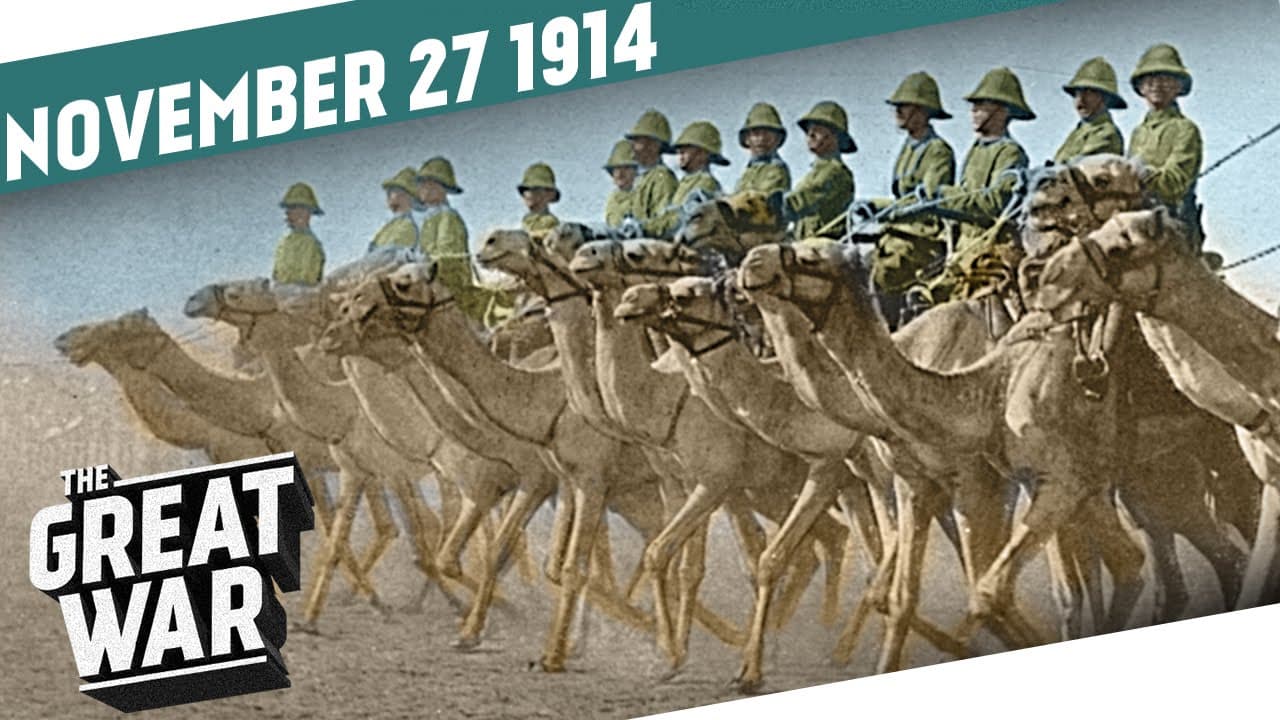
TL;DR
The Great War transitions into a struggle for vital resources.
Transcript
The first three months of the war have seen a whole new way of waging war. In addition to the ever more effective weapons of war that now kill hundreds of thousands of men in mere weeks, airplanes fly the skies to spot for artillery, submarines prowl beneath the seas to sink sailors to watery graves, and cars and trucks transport men and equipment ... Read More
Key Insights
- The Great War introduced new warfare technologies, including airplanes, submarines, and vehicles, increasing the demand for resources, particularly oil.
- The Western Front solidified into a stalemate, with battles like Lodz and Ypres highlighting the strategic deadlock.
- The Austro-Hungarian Empire faced internal challenges, with national minorities posing potential threats to stability during the war.
- The British secured oil facilities in the Persian Gulf by capturing Basra, despite logistical challenges and poor conditions.
- Horses remained crucial for military logistics, with millions serving on the Western Front despite high mortality rates and inadequate care.
- The British and French armies learned that American horses from the Dakotas were better suited for war conditions than European breeds.
- The war's demand for resources extended beyond oil, with Germany controlling significant portions of France's iron, steel, and coal production.
- Trench warfare evolved into a complex system, with soldiers enduring harsh conditions and seeking technological advancements to gain an edge.
Install to Summarize YouTube Videos and Get Transcripts
Explore YouTube Video Summarizer or Get YouTube Transcript Extractor
Questions & Answers
Q: What new technologies were introduced in the Great War?
The Great War saw the introduction of several new technologies that changed the nature of warfare. Airplanes were used for reconnaissance, submarines for naval warfare, and vehicles like cars and trucks improved the transportation of troops and equipment. These advancements increased the demand for vital resources such as oil.
Q: How did the Western Front evolve during the early months of the war?
The Western Front evolved into a frozen stalemate after initial battles like Ypres. Both sides dug into trenches, resulting in a strategic deadlock that persisted for much of the war. This stalemate led to a focus on securing resources and developing new technologies to break the impasse.
Q: What internal challenges did the Austro-Hungarian Empire face during the war?
The Austro-Hungarian Empire faced significant internal challenges, particularly concerning its national minorities. Groups like the Poles, Croats, and Czechs were suspected of sympathizing with the enemy, leading to fears of insurrection. Chief of Staff Conrad von Hotzendorf even proposed military rule in certain regions, though this was rejected by Emperor Franz Josef.
Q: Why was securing Basra important for the British during the war?
Securing Basra was crucial for the British as it protected their oil facilities in the Persian Gulf. Oil was a vital resource for powering the new war machines, and controlling Basra ensured a steady supply. Despite logistical challenges and poor conditions, the British successfully captured the city, marking a strategic victory.
Q: What role did horses play in World War I?
Horses were essential for military logistics in World War I, used to transport heavy artillery and supplies. Despite their importance, horses suffered high mortality rates due to inadequate care and harsh conditions. Over time, armies learned that American horses from the Dakotas were better suited for the demands of war.
Q: How did the war impact France's industrial resources?
The war significantly impacted France's industrial resources, as Germany gained control over two-thirds of France's iron production, a quarter of its steel, and half of its coal mining capacity. This control of resources was crucial for Germany's war effort and highlighted the importance of industrial output in modern warfare.
Q: What were the conditions like in the trenches on the Western Front?
Conditions in the trenches on the Western Front were harsh and grueling. Soldiers faced constant threats from enemy fire, disease, and the elements. The trenches evolved into complex networks, with soldiers living in cramped and unsanitary conditions. Despite these challenges, the trenches became a defining feature of the war.
Q: What was the significance of oil in the Great War?
Oil was a crucial resource in the Great War, powering the new technologies that defined modern warfare. Both sides recognized the strategic importance of securing oil supplies, leading to campaigns like the British capture of Basra. The struggle for oil was a key aspect of the war, influencing military strategies and operations.
Summary & Key Takeaways
-
The first months of World War I saw rapid technological advancements in warfare, leading to a heightened demand for resources like oil. As battles raged across Europe, securing these resources became a strategic priority for all involved nations.
-
The British campaign in the Persian Gulf aimed to protect vital oil supplies, capturing Basra despite logistical challenges. Meanwhile, the Western Front remained gridlocked, with both sides entrenched in a stalemate that would define much of the war.
-
Horses played a critical role in military logistics, despite high mortality rates and inadequate care. The war's resource demands extended beyond oil, with Germany gaining control over significant portions of France's industrial output, exacerbating the struggle for resources.
Read in Other Languages (beta)
Share This Summary 📚
Summarize YouTube Videos and Get Video Transcripts with 1-Click
Try YouTube Summary with ChatGPT & Claude or YouTube Transcript Generator
Explore More Summaries from The Great War 📚

Summarize YouTube Videos and Get Video Transcripts with 1-Click
Try YouTube Summary with ChatGPT & Claude or YouTube Transcript Generator