What Is FFmpeg and How Does It Power Internet Video?
TL;DR
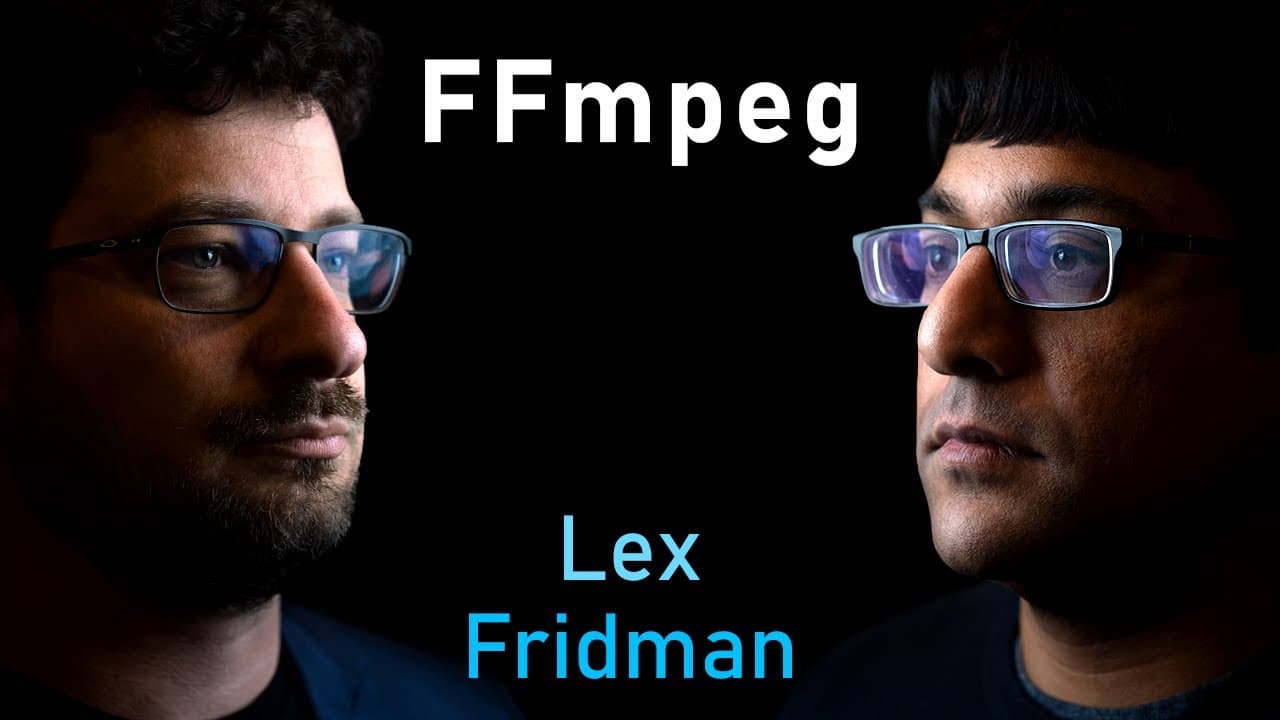
FFmpeg is a powerful open-source software system that decodes, encodes, transcodes, streams, and plays nearly any video or audio format. It serves as the backbone for platforms like YouTube, Netflix, and VLC, enabling video processing across billions of devices. The software is developed by a global community of volunteers dedicated to maintaining high-quality code.
Transcript
- The important is, is your code good? We care about excellent code. We don't care who you are. Like maybe you're a dog. I don't care, right? I don't care where you come from. I need to look at your code. Oh, yeah, but I'm an engineer at this very large company in Italy, in Germany, in the US. We don't care. We care about the quality of your code b... Read More
Key Insights
- FFmpeg is an open-source software system that supports video and audio decoding, encoding, transcoding, streaming, and playback.
- It is a critical component for platforms like YouTube, Netflix, VLC, Discord, and Chrome, handling video processing for billions of devices.
- FFmpeg is developed by a global community of volunteers who focus on code quality and open collaboration.
- The software supports a wide array of codecs and containers, making it versatile for nearly any media format.
- FFmpeg's development emphasizes low-level programming in C and assembly to optimize performance across platforms.
- The project is funded by donations and contributions, with no direct financial support from large corporations that utilize it.
- FFmpeg's open-source nature allows it to be used freely by individuals and corporations, democratizing access to video technology.
- Despite its complexity, FFmpeg is designed to be user-friendly, enabling users to perform advanced media processing tasks with ease.
Install to Summarize YouTube Videos and Get Transcripts
Explore YouTube Video Summarizer or Get YouTube Transcript Extractor
Questions & Answers
Q: What is FFmpeg and how is it used?
FFmpeg is an open-source software system used for decoding, encoding, transcoding, streaming, and playing video and audio formats. It is a critical component for platforms like YouTube, Netflix, VLC, and Chrome, enabling them to process media across billions of devices. FFmpeg supports a wide range of codecs and containers, making it versatile for nearly any media format.
Q: How does FFmpeg impact internet video streaming?
FFmpeg significantly impacts internet video streaming by providing the underlying technology for decoding and processing video and audio streams. It allows platforms like YouTube and Netflix to efficiently handle large volumes of media content, ensuring smooth playback and high-quality streaming experiences for users worldwide. Its open-source nature enables widespread adoption and innovation.
Q: Why is FFmpeg considered a critical open-source project?
FFmpeg is considered a critical open-source project because it provides essential video and audio processing capabilities to major platforms like YouTube, Netflix, and VLC. Developed by a global community of volunteers, it emphasizes high-quality code and open collaboration. Its ability to handle nearly any media format makes it indispensable for video streaming and processing across billions of devices.
Q: What role does FFmpeg play in the functionality of VLC?
FFmpeg plays a vital role in VLC's functionality by providing the necessary libraries and tools for decoding, encoding, and processing various media formats. VLC relies on FFmpeg to handle a wide array of codecs and containers, enabling it to play almost any video or audio file. This integration allows VLC to be a versatile and widely-used media player.
Q: How does FFmpeg maintain high performance in video processing?
FFmpeg maintains high performance in video processing by emphasizing low-level programming in C and assembly. This approach optimizes the software's efficiency and speed across different platforms and devices. The use of assembly language allows FFmpeg to leverage specific hardware capabilities, ensuring fast and reliable media processing for large-scale applications.
Q: What challenges does FFmpeg face as an open-source project?
As an open-source project, FFmpeg faces challenges such as securing sufficient funding through donations, managing contributions from a global volunteer community, and maintaining high-quality code standards. Despite being used by major corporations, FFmpeg does not receive direct financial support from them, relying instead on community contributions to sustain development and innovation.
Q: How does FFmpeg contribute to the democratization of video technology?
FFmpeg contributes to the democratization of video technology by providing free and open access to powerful media processing tools. Its open-source nature allows individuals and corporations to use and modify the software without restrictions, enabling a wide range of applications from personal projects to large-scale commercial platforms. This accessibility fosters innovation and equal opportunities in the media industry.
Q: What is the significance of FFmpeg's open-source community?
FFmpeg's open-source community is significant because it brings together volunteers from around the world to collaborate on developing and maintaining the software. This community-driven approach ensures diverse perspectives and expertise contribute to the project's success. The community's dedication to high-quality code and open collaboration has made FFmpeg a cornerstone of internet video technology, supporting billions of devices globally.
Summary & Key Takeaways
-
FFmpeg is a robust open-source software system that enables video and audio processing for platforms like YouTube and Netflix. It supports nearly any media format, developed by volunteers focused on high-quality code.
-
The software handles decoding, encoding, transcoding, streaming, and playback across billions of devices, making it a backbone for internet video. FFmpeg's open-source nature allows free use by individuals and corporations.
-
FFmpeg emphasizes low-level programming in C and assembly for optimal performance. It is funded by donations, with no direct financial support from major corporations using it, highlighting the dedication of its volunteer community.
Read in Other Languages (beta)
Share This Summary 📚
Summarize YouTube Videos and Get Video Transcripts with 1-Click
Try YouTube Summary with ChatGPT & Claude or YouTube Transcript Generator
Explore More Summaries from Lex Fridman 📚

Summarize YouTube Videos and Get Video Transcripts with 1-Click
Try YouTube Summary with ChatGPT & Claude or YouTube Transcript Generator