What’s the Deal with Base Plates?
TL;DR
Base plates are crucial for connecting structures to foundations.
Transcript
A lot of engineering focuses on structural members. How wide is this beam? How tall is this column? But some of the most important engineering decisions are in how to connect those members together. Take a column, for example. You can’t just set it directly on a foundation, at least not if you want it to stay up. It needs a way to physically at... Read More
Key Insights
- Base plates are essential for connecting structural members like columns to foundations, ensuring stability and load distribution.
- The size of a base plate is determined by the force in the column and the allowable pressure on the foundation, which helps in reducing pressure.
- The stiffness of a base plate, often determined by its thickness, is crucial for even load distribution into the foundation.
- Anchors are used to resist shear and tension forces, attaching structures to concrete and preventing failure under various loading conditions.
- Leveling nuts and grout are used to adjust the base plate's position and ensure even load distribution, although they introduce additional potential failure modes.
- Standoff base plates, which do not use grout, are designed to withstand all forces through anchor bolts and are becoming more common in certain applications.
- Misconceptions about standoff base plates include the belief that they are designed to break away in collisions, which is not true for larger structures.
- Base plates, though often overlooked, play a critical and complex role in structural engineering, similar to the bass parts in music.
Install to Summarize YouTube Videos and Get Transcripts
Explore YouTube Video Summarizer or Get YouTube Transcript Extractor
Questions & Answers
Q: What is the primary function of a base plate in structural engineering?
The primary function of a base plate in structural engineering is to connect structural members, such as columns, to foundations. Base plates help distribute the vertical forces from the column over a larger area, reducing the pressure on the foundation and ensuring stability. This load distribution is crucial for preventing structural failure and maintaining the integrity of the built environment.
Q: How is the size of a base plate determined?
The size of a base plate is determined by the force in the column and the allowable pressure on the foundation. Engineers divide the force by the allowable pressure to calculate the minimum area required for the base plate. This calculation ensures that the pressure exerted on the foundation is within safe limits, preventing structural failure due to excessive pressure.
Q: What role does stiffness play in base plate design?
Stiffness is a critical factor in base plate design as it affects how evenly the load is distributed into the foundation. A base plate that is too thin may flex under load, leading to uneven pressure distribution and potential structural issues. The thickness of the steel used in the base plate is typically adjusted to provide the necessary stiffness, ensuring that the load is spread evenly and the structure remains stable.
Q: Why are anchors important in the installation of base plates?
Anchors are crucial in the installation of base plates because they resist shear and tension forces, securing the structure to the concrete foundation. These forces can arise from various loading conditions, such as wind or seismic activity. Anchors ensure that the base plate and the connected structure remain stable and secure, preventing movement or failure under stress. Different anchoring methods and materials are used based on specific engineering requirements.
Q: What challenges do leveling nuts and grout introduce in base plate installations?
Leveling nuts and grout introduce several challenges in base plate installations. While they provide adjustability for aligning the base plate, they can lead to uneven load distribution, with loads being transferred directly through shims or bolts. This can result in additional potential failure modes, such as buckling of anchor rods or punching through concrete slabs. Additionally, grout can trap moisture, leading to corrosion issues, and its application requires careful attention to ensure proper load transfer.
Q: What are standoff base plates, and why are they used?
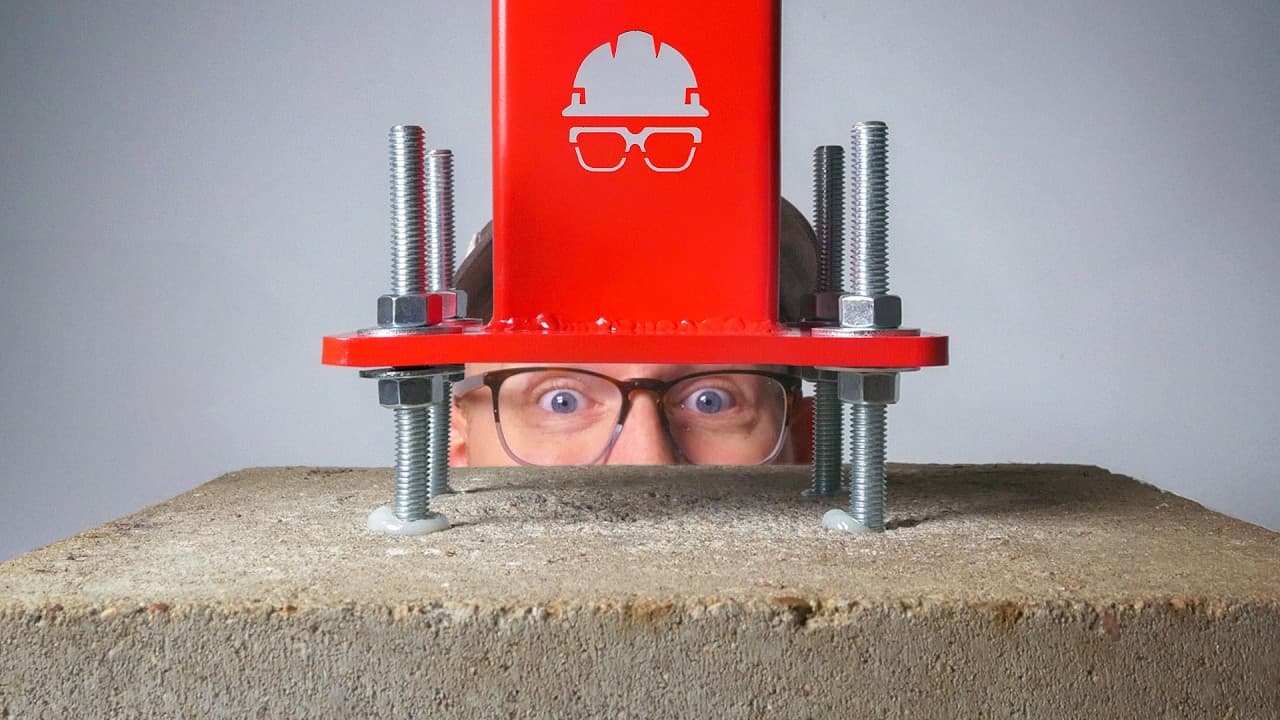
Standoff base plates are a design approach where the base plate is not directly placed on the concrete foundation but is instead supported by anchor bolts. This design eliminates the need for grout, allowing for easier inspection and maintenance. Standoff base plates are used in applications where the anchor bolts are designed to withstand all the forces, including compressive forces, applied by the column. This approach is becoming more common, especially in state highway departments, for structures like signs and light poles.
Q: What is a common misconception about standoff base plates?
A common misconception about standoff base plates is that they are designed to break away in the event of a collision. While smaller signs near roadways may use breakaway features to minimize crash impact, larger structures like overhead signs and light poles do not use standoff base plates for this purpose. Instead, these structures are designed to remain upright, with additional protective measures like guardrails or barriers to prevent collisions.
Q: How are base plates similar to bass parts in music?
Base plates are similar to bass parts in music because they both play a crucial yet often overlooked role in their respective fields. Just as bass lines provide the foundational rhythm and harmony in music, base plates provide essential structural support and load distribution in engineering. Both require careful design and consideration to ensure the overall stability and integrity of the system, whether it's a musical composition or a built structure.
Summary & Key Takeaways
-
Base plates are crucial components in structural engineering, connecting columns to foundations and distributing loads to prevent structural failure. Their design requires careful consideration of size, stiffness, and load distribution to ensure stability.
-
Various anchoring methods and materials are used to secure base plates to concrete, each with unique advantages and potential failure modes. Engineers often use software to calculate the strength of these connections under different loading conditions.
-
Adjustability in base plate installation is achieved through leveling nuts and grout, although these introduce additional challenges such as potential failure modes and maintenance issues. Standoff base plates offer an alternative design approach without the use of grout.
Read in Other Languages (beta)
Share This Summary 📚
Summarize YouTube Videos and Get Video Transcripts with 1-Click
Try YouTube Summary with ChatGPT & Claude or YouTube Transcript Generator
Explore More Summaries from Practical Engineering 📚






Summarize YouTube Videos and Get Video Transcripts with 1-Click
Try YouTube Summary with ChatGPT & Claude or YouTube Transcript Generator