How Working Remotely Will Change More Than Work
TL;DR
Remote work may permanently alter work habits and urban living.
Transcript
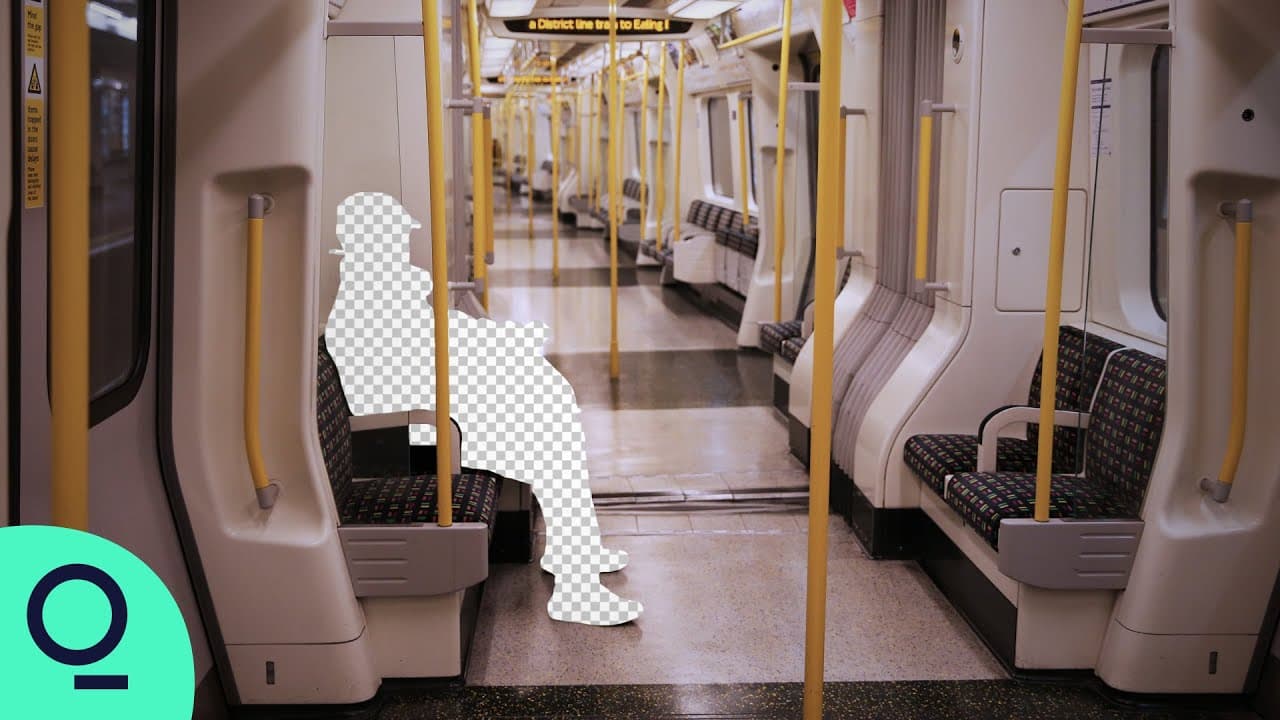
Remember when Monday mornings were like this? They're a bit different now. While those of us lucky to be working are now doing so from a spare bedroom or a kitchen table, the Coronavirus has forced a sudden and mostly successful pivot to working away from the office. While the circumstances are unwelcome, there are some benefits to this style of wo... Read More
Key Insights
- Remote work has led to increased workforce contentment, motivation, and productivity, suggesting potential long-term changes in work habits post-pandemic.
- Commuting is a significant source of stress, negatively impacting health and personal relationships, with remote work offering a solution to these issues.
- Flexible working arrangements can improve productivity and employee satisfaction, but require effective management and clear procedures to be successful.
- Remote work has allowed employees to find a better work-life balance, but initially, many struggled to separate work from personal life.
- Cities may evolve into polycentric models, where work, living, and recreation are more localized, reducing the need for long commutes.
- Urban infrastructure could be reimagined to prioritize pedestrian and public transport over private vehicles, enhancing city livability.
- The pandemic has accelerated the trend towards flexible and hybrid work models, with many companies and employees favoring a mix of office and remote work.
- The shift in work culture could lead to more sustainable urban living, with reduced emissions and more equitable access to services.
Install to Summarize YouTube Videos and Get Transcripts
Explore YouTube Video Summarizer or Get YouTube Transcript Extractor
Questions & Answers
Q: What are the benefits of remote work mentioned in the content?
Remote work has been shown to increase workforce contentment, motivation, and productivity. Employees benefit from a better work-life balance, as they can reclaim time previously spent commuting for personal activities. This shift can lead to a happier and more efficient workforce, with potential long-term changes in work habits.
Q: How does commuting affect workers' lives according to the content?
Commuting is a significant source of stress for workers, negatively impacting their physiological health and well-being. It leads to longer working days, less time at home, reduced exercise, and poorer dietary habits. Additionally, long commutes increase the risk of relationship strain and separation, highlighting the potential benefits of remote work.
Q: What challenges do companies face with flexible working arrangements?
Companies face challenges in managing flexible working arrangements, such as maintaining productivity and consistency across departments. Effective management requires clear processes and procedures, as well as recognizing individual differences in adapting to flexible work. Managers must balance treating employees consistently while allowing for flexibility in managing teams.
Q: How might cities change with the increase in remote work?
Cities could evolve into polycentric models, where work, living, and recreation are more localized, reducing the need for long commutes. Urban infrastructure may prioritize pedestrian and public transport over private vehicles, enhancing city livability. This shift could lead to more sustainable urban living, with reduced emissions and more equitable access to services.
Q: What is the potential impact of remote work on urban infrastructure?
Remote work could lead to a reimagining of urban infrastructure, with increased space for pedestrians and public transport. This change could decrease the reliance on private vehicles, making cities more livable and equitable. The transformation could enable better delivery of urban systems, such as mobile healthcare and efficient distribution networks.
Q: How has the pandemic influenced work culture and habits?
The pandemic has accelerated the trend towards flexible and hybrid work models, with many companies and employees favoring a mix of office and remote work. This shift has led to changes in work culture, with a focus on balancing productivity and employee well-being. Companies are increasingly recognizing the benefits of remote work and adapting to new expectations.
Q: What role does flexible working play in employee satisfaction?
Flexible working arrangements can improve employee satisfaction by providing autonomy over scheduling and work location. This flexibility allows employees to balance personal and professional responsibilities, leading to a happier workforce. However, successful implementation requires effective management and clear procedures to ensure productivity and consistency across the organization.
Q: What are the potential environmental benefits of remote work?
Remote work can lead to environmental benefits by reducing the need for commuting, which decreases greenhouse gas emissions and traffic congestion. This shift can contribute to more sustainable urban living, with cities potentially adopting polycentric models that prioritize pedestrian and public transport infrastructure over private vehicles, enhancing livability and reducing environmental impact.
Summary & Key Takeaways
-
The COVID-19 pandemic has forced a rapid shift to remote work, revealing benefits such as increased productivity and employee satisfaction, but also challenges in maintaining work-life balance. As a result, flexible and hybrid work models are likely to become more prevalent.
-
Commuting has been identified as a major source of stress, negatively impacting health and relationships. Remote work offers a solution, allowing employees to reclaim time for personal activities, which can lead to improved motivation and job performance.
-
Urban living may change as remote work becomes more common, with cities potentially adopting polycentric models that reduce the need for long commutes. This could lead to more sustainable and equitable urban environments, with better access to services and reduced emissions.
Read in Other Languages (beta)
Share This Summary 📚
Summarize YouTube Videos and Get Video Transcripts with 1-Click
Try YouTube Summary with ChatGPT & Claude or YouTube Transcript Generator
Explore More Summaries from Bloomberg Originals 📚





Summarize YouTube Videos and Get Video Transcripts with 1-Click
Try YouTube Summary with ChatGPT & Claude or YouTube Transcript Generator