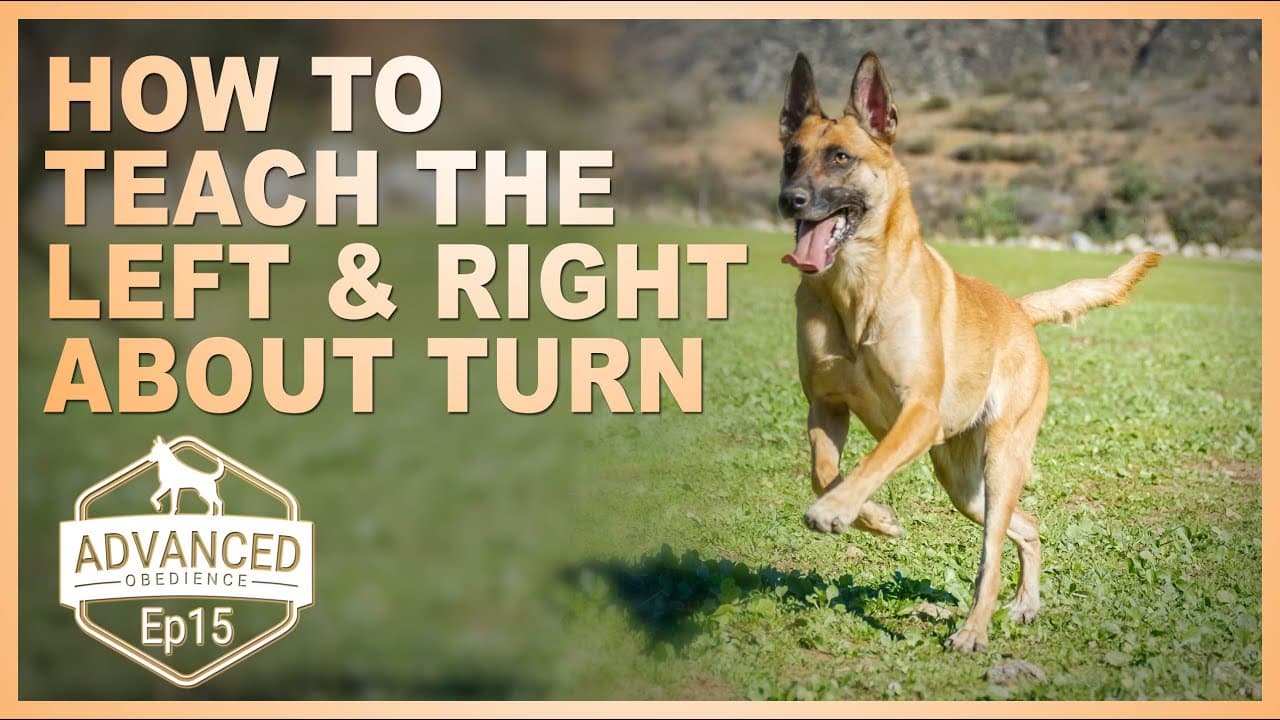
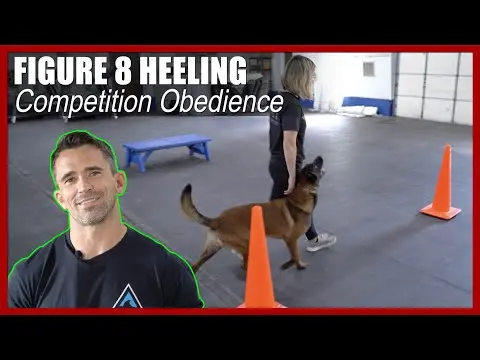
How to Teach Your Dog a Left and Right About Turn. Loose Leash Walking.
TL;DR
Learn left and right about turns for better dog obedience.
Transcript
in today's video we're gonna be going over the left about turn and the right about turn we talked about it a little bit in my last video but we're gonna focus primarily on that there are a few steps that you want to do before doing this exercise this is directed more towards competition obedience but it is going to help if you're just taking your d... Read More
Key Insights
- The video focuses on teaching dogs the left and right about turns, essential for competition obedience and improving loose leash walking.
- Right about turns require dogs to increase speed, while left about turns are more complex, demanding precise heel positioning.
- Luring with food and leash pressure are effective techniques to guide dogs through the turns, helping them understand the necessary movements.
- Repetition is crucial; practicing hundreds of times helps dogs develop muscle memory and adapt to the required behavior.
- Incorporating fun and engagement into training sessions enhances learning and maintains the dog's interest and enthusiasm.
- Using cues like breathing or looking in the turn direction can subtly signal dogs during competition without penalty.
- Teaching dogs to walk backward and pivot in place aids in mastering the left about turn, as these skills are foundational.
- Training should be enjoyable for both the trainer and the dog; maintaining a positive mood is essential for successful sessions.
Install to Summarize YouTube Videos and Get Transcripts
Explore YouTube Video Summarizer or Get YouTube Transcript Extractor
Questions & Answers
Q: What is the main focus of the video?
The main focus of the video is to teach viewers how to train their dogs to perform left and right about turns. These turns are important for competition obedience and improve the dog's loose leash walking skills. The video provides detailed instructions and techniques to help dogs master these movements.
Q: Why are right about turns easier than left about turns?
Right about turns are considered easier because they primarily require the dog to increase its speed to keep up with the handler's movement. In contrast, left about turns are more complex, requiring precise heel positioning and the ability to pivot smoothly, which can be challenging for dogs to learn initially.
Q: What techniques are recommended for teaching about turns?
The video recommends using food lures and leash pressure as techniques for teaching about turns. Food lures help guide the dog through the motion, while leash pressure assists in providing additional guidance and reinforcement. Repetition and practice are emphasized to help dogs develop the necessary muscle memory and understanding.
Q: How can trainers maintain their dogs' interest during training?
Trainers can maintain their dogs' interest by making training sessions fun and engaging. This can be achieved by incorporating a variety of commands, using positive reinforcement, and ensuring the training environment is stimulating. Additionally, trainers should maintain a positive mood, as dogs can sense and respond to their handler's emotions.
Q: What are some subtle cues used in competition training?
Subtle cues used in competition training include breathing through the nose or looking in the direction of the turn. These cues can signal the dog about the upcoming movement without drawing attention or incurring penalties during competitions. Such cues help prepare the dog for the turn, ensuring smoother execution.
Q: Why is repetition important in dog training?
Repetition is crucial in dog training because it helps dogs develop muscle memory and reinforces the desired behavior. Consistent practice allows dogs to become more familiar with the movements and commands, leading to improved performance and reliability. Repetition also helps in solidifying the dog's understanding of the task.
Q: How does walking backward help in training left about turns?
Walking backward helps in training left about turns by teaching the dog to pivot and maintain heel position. This skill is foundational for the left about turn, as it requires the dog to move smoothly and adjust its position relative to the handler. Practicing walking backward builds the dog's coordination and confidence in executing the turn.
Q: What should trainers do if they are in a bad mood during training?
If trainers find themselves in a bad mood during training, it is advisable to pause the session and engage in another activity. Training should be a positive experience for both the trainer and the dog, and negative emotions can hinder progress and affect the dog's response. Resuming training when in a better mood ensures a more productive and enjoyable session.
Summary & Key Takeaways
-
This video tutorial covers the techniques for teaching dogs left and right about turns, enhancing obedience and loose leash walking. It emphasizes the importance of using food lures, leash pressure, and repetition to achieve precise heel positioning.
-
The right about turn focuses on increasing the dog's speed, while the left about turn requires more complex maneuvers. The instructor provides tips on using cues and signals to aid in training, especially for competition scenarios.
-
Repetition and engagement are key to successful training. The video stresses making sessions enjoyable and varied, incorporating different commands and activities to maintain the dog's interest and motivation.
Read in Other Languages (beta)
Share This Summary 📚
Summarize YouTube Videos and Get Video Transcripts with 1-Click
Try YouTube Summary with ChatGPT & Claude or YouTube Transcript Generator
Explore More Summaries from Nate Schoemer 📚

Summarize YouTube Videos and Get Video Transcripts with 1-Click
Try YouTube Summary with ChatGPT & Claude or YouTube Transcript Generator