How to build a wall-mounted cat tree
TL;DR
A guide to building a wall-mounted cat tree using engineering principles.
Transcript
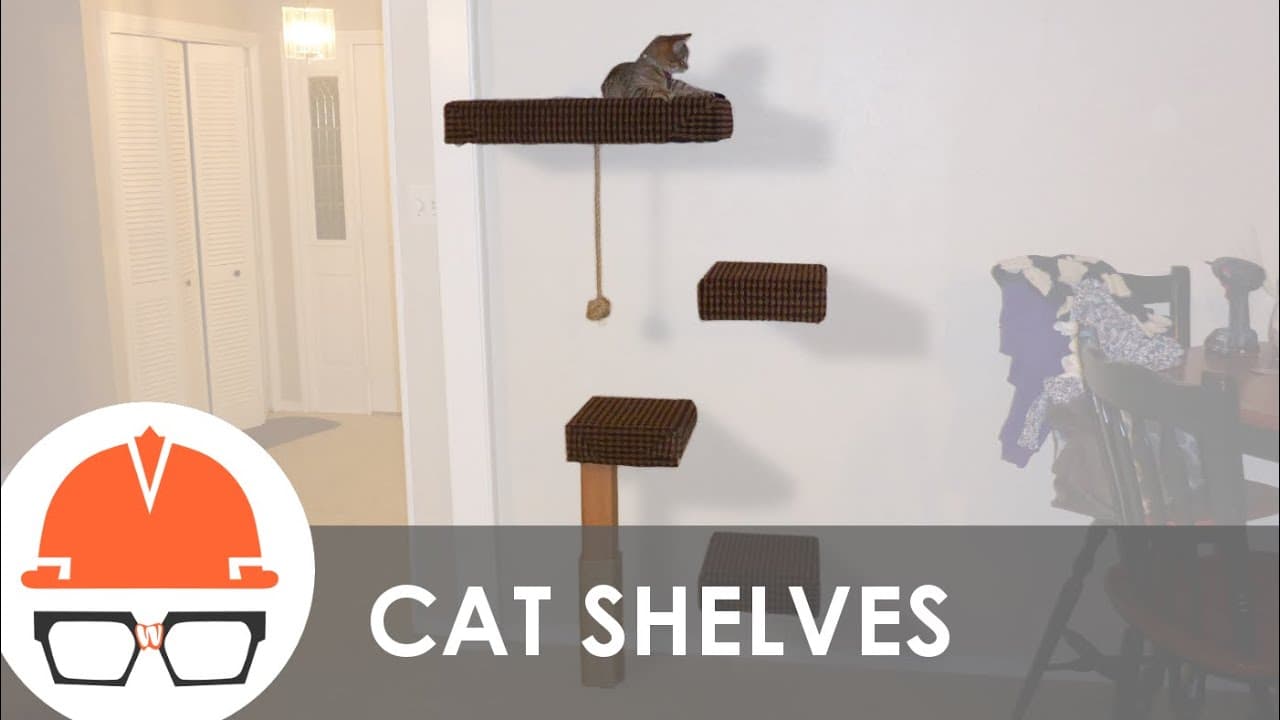
for Christmas this year we got one of these but we already had one of these they are actually getting along pretty well but we wanted the cat to have a place not only where he could feel safe from the dog but also where his food and water could remain unassalable i wanted the top platform to be fairly high so instead of a typical cat tree which has... Read More
Key Insights
- The project involves creating a wall-mounted cat tree to provide a safe space for the cat away from the dog, using engineering principles to ensure stability.
- The design replaces a traditional cat tree with a shelf system mounted directly to the wall, covered in carpet or rope for comfort and traction.
- The critical joint between the perpendicular members and the apron is analyzed, showing why pocket screws are not ideal due to insufficient withdrawal resistance.
- Engineering calculations reveal the pullout force on screws, emphasizing the importance of using longer screws to increase joint strength and safety.
- The construction uses mainly scrap wood and finish nails, with careful attention to the upholstery process to provide a durable and aesthetic finish.
- The shelves are mounted to ensure at least one stud supports each, supplemented by drywall anchors for added security.
- Additional features include a monkey's fist knot and a rope-wrapped post, providing entertainment and scratching surfaces for the cat.
- The video integrates engineering concepts into a DIY project, inviting viewer feedback on the inclusion of such content in future videos.
Install to Summarize YouTube Videos and Get Transcripts
Explore YouTube Video Summarizer or Get YouTube Transcript Extractor
Questions & Answers
Q: Why is a wall-mounted cat tree preferred over a traditional one?
A wall-mounted cat tree is preferred because it provides a stable and secure space for the cat away from the dog. Unlike traditional cat trees, which rely on a base for support, the wall-mounted design uses shelves attached directly to the wall, ensuring the cat's food and water are safe from the dog.
Q: What engineering principles are applied in the project?
The project applies engineering statics to calculate the forces within the shelf structure. This involves determining the pullout force on screws and ensuring that the joint strength is sufficient to support the weight of the cat, the shelf, and additional dynamic forces. The use of longer screws increases withdrawal resistance for safety.
Q: How does the video address viewer engagement?
The video invites viewer engagement by asking for feedback on the inclusion of engineering concepts in the DIY project. It encourages viewers to comment on whether they find the engineering calculations informative or if they consider them an interruption to the project, fostering a community discussion.
Q: What materials are used for constructing the cat tree?
The construction primarily uses scrap wood and finish nails, with the shelves covered in carpet or rope for comfort and traction. A rug is used for upholstery, secured with staples and careful cuts, providing a durable and aesthetic finish that resembles wrapping a Christmas present.
Q: What are the additional features included in the cat tree design?
Additional features in the cat tree design include a monkey's fist knot and a rope-wrapped post, both serving as entertainment and scratching surfaces for the cat. These elements are crafted from materials like scrap wood and rope, ensuring they are both functional and engaging for the cat.
Q: How is the stability of the shelves ensured?
The stability of the shelves is ensured by mounting them so that at least one stud supports each shelf. This is supplemented with drywall anchors to provide additional security. The design considers both static and dynamic forces, ensuring the shelves can withstand the cat's movements.
Q: What challenges are mentioned in the construction process?
One challenge mentioned is the upholstery process, which is likened to wrapping a Christmas present with thick, stubborn wrapping paper. The process requires patience and careful placement of staples and cuts to ensure a neat and durable finish, highlighting the importance of attention to detail.
Q: How does the project reflect the creator's professional background?
The project reflects the creator's professional background as a civil engineer by incorporating engineering principles into the DIY cat tree design. The use of engineering statics to calculate forces and ensure structural stability demonstrates a practical application of the creator's expertise in a hobby project.
Summary & Key Takeaways
-
The video describes a project to build a wall-mounted cat tree, providing a safe and accessible space for the cat away from the dog. It replaces a traditional cat tree with a shelf system mounted to the wall, using engineering principles to ensure stability and safety.
-
Engineering calculations are used to determine the pullout force on screws, highlighting the importance of using longer screws for increased joint strength. The construction utilizes scrap wood and finish nails, with careful attention to the upholstery process for durability and aesthetics.
-
Features such as a monkey's fist knot and a rope-wrapped post are added for the cat's entertainment and scratching needs. The video also discusses the integration of engineering concepts into DIY projects, seeking viewer feedback on this approach.
Read in Other Languages (beta)
Share This Summary 📚
Summarize YouTube Videos and Get Video Transcripts with 1-Click
Try YouTube Summary with ChatGPT & Claude or YouTube Transcript Generator
Explore More Summaries from Practical Engineering 📚





Summarize YouTube Videos and Get Video Transcripts with 1-Click
Try YouTube Summary with ChatGPT & Claude or YouTube Transcript Generator