John McCain: Profile of a Maverick
TL;DR
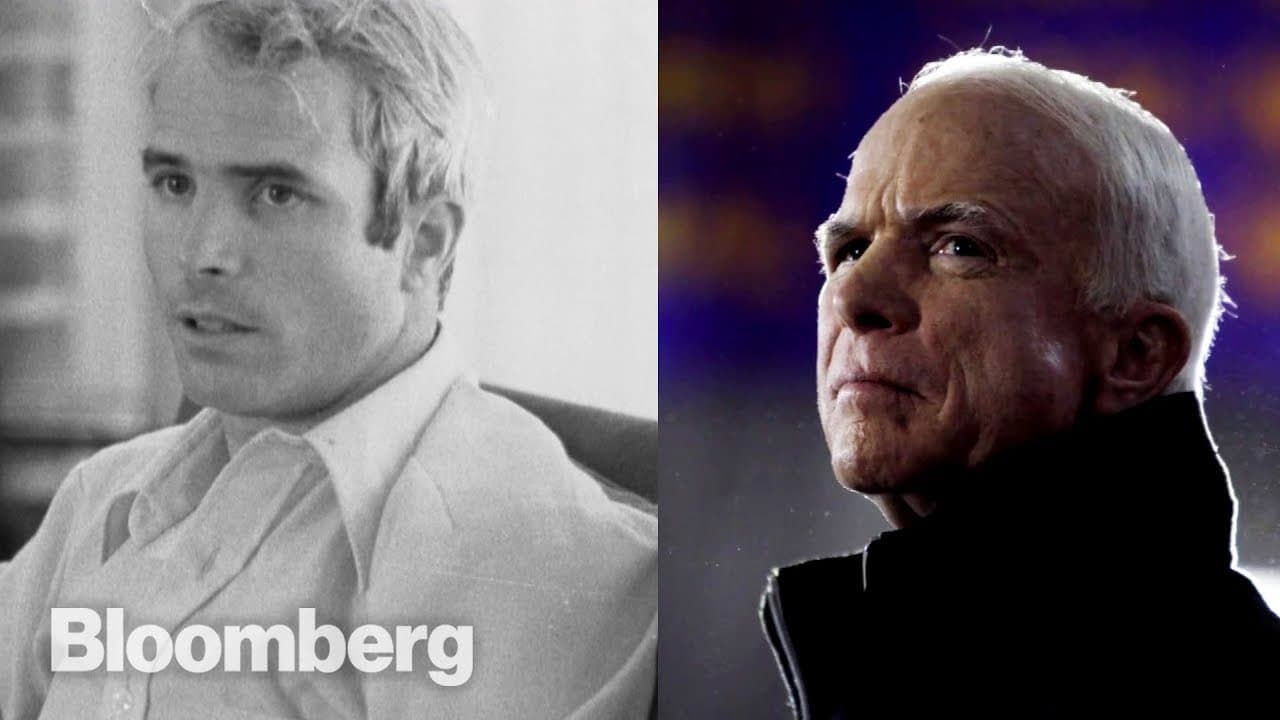
John McCain's career was marked by his maverick approach.
Transcript
Sometimes a nickname just sticks. The maverick maverick maverick maverick everyone knows is a maverick. Here comes the maverick. Despite being a lifelong conservative Arizona Senator John McCain was never afraid to go against the grain. But he said he never considered himself a maverick. This is not a not a label he really embraced all the time not... Read More
Key Insights
- John McCain, despite being a conservative, often went against his party's grain, earning the nickname 'maverick'.
- McCain's military service was marked by significant adversity, including surviving a deadly fire and enduring years as a prisoner of war.
- His political career began in the U.S. House in 1982 and transitioned to the Senate in 1986, where he faced the Keating Five scandal.
- McCain's reputation as a maverick was solidified through his bipartisan efforts, especially in campaign finance reform with Democrat Russ Feingold.
- During the 2000 Republican primaries, McCain's unorthodox positions highlighted class disparities and opposed tax cuts for the wealthy.
- McCain's 2008 presidential campaign embraced the maverick brand but was hindered by his choice of Sarah Palin as a running mate.
- He opposed enhanced interrogation techniques, drawing on his own experiences of torture during the Vietnam War.
- McCain's final significant political act was his vote against the repeal of Obamacare, showcasing his continued independence.
Install to Summarize YouTube Videos and Get Transcripts
Explore YouTube Video Summarizer or Get YouTube Transcript Extractor
Questions & Answers
Q: What military experiences shaped John McCain's political views?
John McCain's military experiences, including surviving a deadly fire on the USS Forrestal and enduring years as a prisoner of war in Vietnam, profoundly shaped his political views. These experiences instilled in him a strong opposition to torture, as he believed it was ineffective, drawing from his own coerced false confession. His military background also influenced his perspectives on foreign policy and national security.
Q: How did John McCain's reputation as a maverick develop?
John McCain's reputation as a maverick developed through his willingness to defy party lines and take independent stances on key issues. Despite being a lifelong conservative, he frequently reached across the aisle, most notably in his work on campaign finance reform with Democrat Russ Feingold. His unorthodox positions during the 2000 Republican primaries and his opposition to President Bush's tax cuts further solidified his maverick image.
Q: What was the Keating Five scandal, and how did it affect McCain?
The Keating Five scandal involved John McCain and four other lawmakers being accused of improperly intervening in a federal investigation to benefit Charles Keating, CEO of Lincoln Savings and Loan Association. Although McCain received only a slap on the wrist, the scandal slightly tarnished his reputation. However, he managed to rebound by continuing to champion bipartisan issues, demonstrating resilience and a commitment to reform.
Q: How did McCain's 2008 presidential campaign reflect his maverick brand?
McCain's 2008 presidential campaign embraced the maverick brand, highlighting his independent stances and willingness to challenge the status quo. However, the choice of Sarah Palin as his running mate, who was a different kind of maverick, complicated his campaign. Despite this, McCain's commitment to respectful discourse, even against opponents like Barack Obama, reinforced his maverick image, though it ultimately did not lead to electoral success.
Q: What was John McCain's stance on enhanced interrogation techniques?
John McCain was a staunch opponent of enhanced interrogation techniques, often used after 9/11, due to his own experiences of torture during the Vietnam War. He believed that torture was ineffective and morally wrong, advocating for humane treatment of prisoners. His personal history as a prisoner of war gave him a unique and authoritative perspective on the issue, influencing his legislative efforts and public statements.
Q: How did McCain's relationship with President Trump evolve?
McCain's relationship with President Trump was marked by tension and opposition. Initially supporting Trump's candidacy, McCain withdrew his support following controversial remarks by Trump. Throughout Trump's presidency, McCain frequently opposed him on key issues, such as healthcare and immigration. Their strained relationship culminated in McCain's decision to uninvite Trump from his funeral, highlighting the deep rift between them.
Q: What was McCain's role in the vote against the repeal of Obamacare?
John McCain played a crucial role in the dramatic Senate vote against the repeal of Obamacare. Diagnosed with brain cancer, McCain returned to the Senate to cast the deciding vote, opposing the Republican effort. His vote was seen as a testament to his independent spirit and commitment to bipartisan solutions, prioritizing the well-being of Americans over party loyalty. This act underscored his legacy as a maverick.
Q: How did McCain's stance on immigration reform reflect his maverick tendencies?
McCain's stance on immigration reform, particularly his co-sponsorship of legislation providing a path to citizenship for undocumented immigrants, showcased his maverick tendencies. Despite opposition from many in his party, McCain prioritized pragmatic and humane solutions to complex issues. His willingness to collaborate with Democrats on this contentious topic exemplified his commitment to bipartisan cooperation and his readiness to challenge party orthodoxy for the greater good.
Summary & Key Takeaways
-
John McCain, known as a maverick, frequently defied party lines throughout his political career, earning a reputation for his independent approach. His military background and personal experiences deeply influenced his political decisions, particularly regarding torture and foreign policy.
-
McCain's political journey was marked by significant events, including the Keating Five scandal and his bipartisan efforts in campaign finance reform. Despite setbacks, such as his loss in the 2000 presidential primaries, he remained a formidable figure in American politics.
-
In his later years, McCain's opposition to President Trump and his vote against the repeal of Obamacare underscored his commitment to his principles over party loyalty. His legacy as a maverick was cemented by his willingness to challenge the status quo.
Read in Other Languages (beta)
Share This Summary 📚
Summarize YouTube Videos and Get Video Transcripts with 1-Click
Try YouTube Summary with ChatGPT & Claude or YouTube Transcript Generator
Explore More Summaries from Bloomberg Originals 📚




Summarize YouTube Videos and Get Video Transcripts with 1-Click
Try YouTube Summary with ChatGPT & Claude or YouTube Transcript Generator