How Will Private Companies Build Space Habitats?
TL;DR
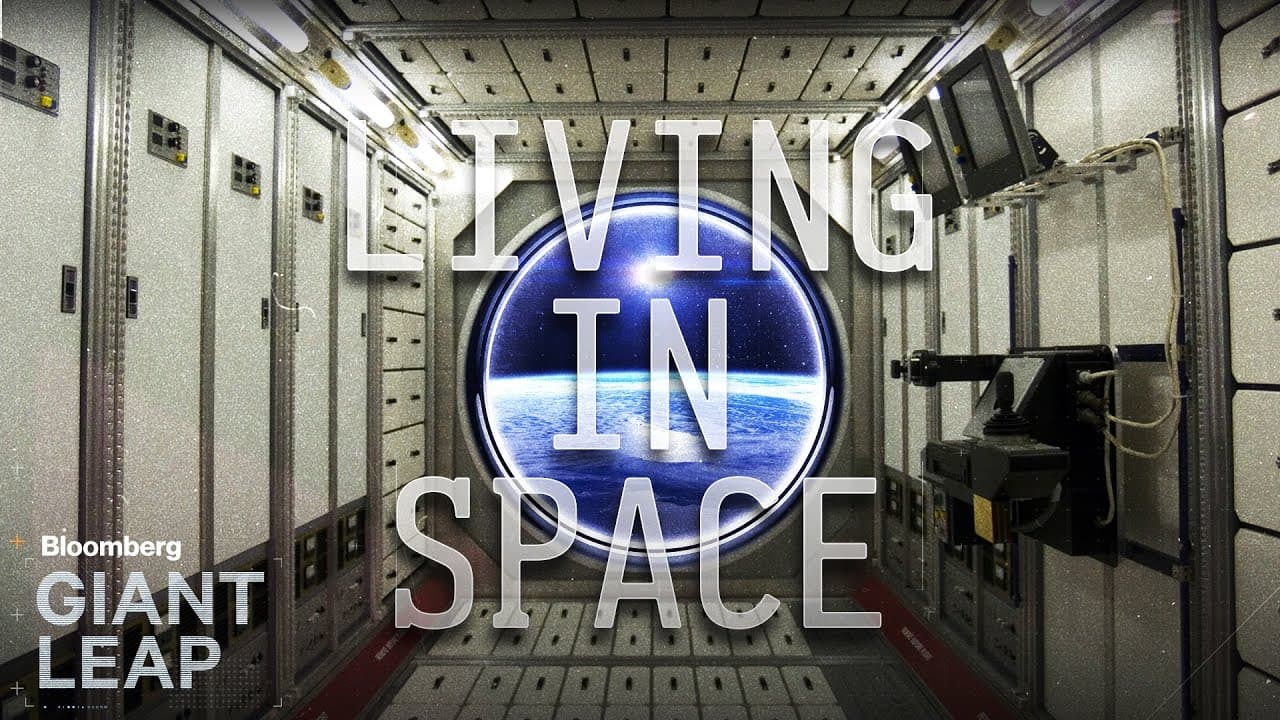
The International Space Station (ISS) has been pivotal in enabling human life and research in space. As its retirement approaches, private companies are stepping in to create the next generation of space habitats. These efforts aim to reduce costs and increase innovation, potentially leading to commercial opportunities in low Earth orbit.
Transcript
Four rooms, earth view. Sounds far-fetched at the moment, doesn't it? But you know we may be seeing ads like this in the not too distant future. Living away from earth has always captured our imagination. As well as providing the basics for survival, these ideas are a symbol of humankind's unique creativity and ambition. This advanced base, or spac... Read More
Key Insights
- The International Space Station is the most expensive object ever built, costing around $150 billion.
- The ISS has been a collaborative effort involving 15 countries since its construction began in 1998.
- NASA plans to transition the ISS to a commercial model to focus resources on missions to the moon and Mars.
- Private companies like Axiom Space aim to build the first commercial space stations, offering new opportunities in space.
- Space habitats are expected to become more cost-effective and innovative through private sector involvement.
- Axiom Space plans to create a space station core module by 2024, with further expansions post-ISS retirement.
- Microgravity environments offer limitless potential for research and manufacturing, akin to the early days of the internet.
- 3D printing and in-situ resource utilization are key technologies for building sustainable habitats on Mars.
Install to Summarize YouTube Videos and Get Transcripts
Explore YouTube Video Summarizer or Get YouTube Transcript Extractor
Questions & Answers
Q: How does the International Space Station contribute to space research?
The International Space Station serves as a permanent, crewed research laboratory in microgravity, allowing scientists to conduct experiments that are not possible on Earth. It has educated us on living and working in space, providing insights into the harsh environment and enabling advancements in various scientific fields.
Q: Why is NASA transitioning the ISS to a commercial model?
NASA is transitioning the ISS to a commercial model to focus resources on future space exploration missions, such as returning to the moon and traveling to Mars. By involving private companies, NASA aims to foster a competitive commercial marketplace in low Earth orbit, reducing costs and spurring innovation.
Q: What are the goals of Axiom Space?
Axiom Space aims to build the first commercial space station, starting with a core module attached to the ISS by 2024. Their goal is to create a cost-effective, innovative space habitat that can host research, manufacturing, and tourism, ultimately leading to a sustainable human presence in space.
Q: How does microgravity benefit research and manufacturing?
Microgravity environments, like those in space, allow for unique research and manufacturing opportunities that are not possible on Earth. These environments enable the creation of new materials with extraordinary properties and facilitate the development of innovative manufacturing techniques, potentially transforming industries.
Q: What is in-situ resource utilization in space habitats?
In-situ resource utilization involves using materials found on-site, such as on the moon or Mars, to build structures. This approach reduces the need to transport materials from Earth, lowering costs and enabling sustainable construction. It is a key technology for future space habitats, utilizing local resources like regolith for 3D printing.
Q: What role do private companies play in the future of space habitats?
Private companies are crucial in developing the next generation of space habitats, bringing innovation and cost reduction to space exploration. They are expected to drive commercial opportunities in low Earth orbit, create new industries, and collaborate with NASA to achieve long-term goals like building on the moon and Mars.
Q: How does the ISS compare to other human-made structures?
The International Space Station is the most expensive human-made object, surpassing iconic structures like the Sistine Chapel, pyramids, and Burj Khalifa. It represents a significant achievement in international collaboration and engineering, serving as a non-terrestrial outpost for human research and habitation in space.
Q: What are the potential benefits of commercial space stations?
Commercial space stations could significantly lower the costs of space operations and spur innovation by involving private companies. They offer opportunities for research, manufacturing, and tourism, potentially unlocking new industries and creating economic growth in space, similar to the transformative impact of the internet.
Summary & Key Takeaways
-
The International Space Station has been crucial for human presence in space, providing a platform for research and international collaboration. As its retirement looms, private companies are preparing to take over and innovate, aiming to reduce operational costs and expand commercial opportunities.
-
NASA's plan to open the ISS to commercial ventures is driven by the need to allocate resources for future missions to the moon and Mars. Companies like Axiom Space are leading the charge, with plans to develop cost-effective and innovative space habitats.
-
The transition to commercial space stations is expected to foster new industries in space, leveraging microgravity for unique research and manufacturing opportunities. This shift mirrors the transformative impact of the internet, with limitless possibilities for innovation and growth.
Read in Other Languages (beta)
Share This Summary 📚
Summarize YouTube Videos and Get Video Transcripts with 1-Click
Try YouTube Summary with ChatGPT & Claude or YouTube Transcript Generator
Explore More Summaries from Bloomberg Originals 📚



Summarize YouTube Videos and Get Video Transcripts with 1-Click
Try YouTube Summary with ChatGPT & Claude or YouTube Transcript Generator