Lisa Murkowski Preaches Compromise to the Polarized | Working Capital
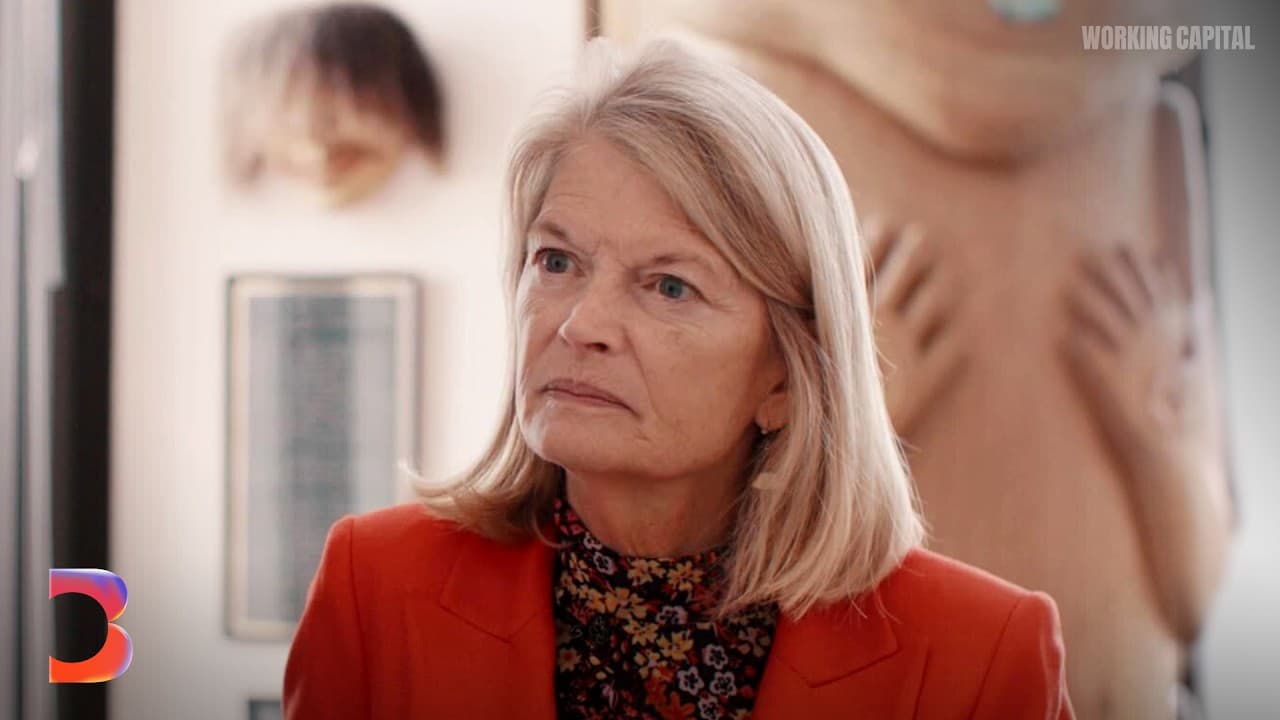
TL;DR
Lisa Murkowski emphasizes compromise amidst political polarization.
Transcript
We reflect what's going on in the country. Right? That's the nature of this. And I think we're seeing more polarization within our communities, within our states. There's some interesting studies out there about people moving to areas because they feel there's a more comfortable political home there. Yeah. So they're leaving places, you know, they ... Read More
Key Insights
- Lisa Murkowski highlights the increasing polarization in American politics, noting that people are moving to areas more aligned with their political beliefs, leading to more homogeneous communities.
- Murkowski's political identity has been shaped by her refusal to align with the far-right elements of the Republican Party, particularly after her 2010 write-in campaign victory.
- She advocates for compromise and dialogue, emphasizing that most Americans hold moderate views that aren't represented by the extremes of either political spectrum.
- Murkowski discusses the challenges of representing Alaska, particularly regarding infrastructure and energy, highlighting the state's reliance on barges and the high cost of living.
- The senator reflects on the evolution of the Republican Party, tracing the roots of polarization back to Newt Gingrich's tenure and the rise of the Tea Party and Donald Trump.
- Murkowski expresses concern over the current political climate, where civility is often disregarded, and political discourse is increasingly polarized and superficial.
- She emphasizes the importance of bipartisanship, as demonstrated in her work on the $1.2 trillion bipartisan infrastructure law, which was crucial for addressing Alaska's unique challenges.
- Despite the challenges, Murkowski remains optimistic about the potential for positive change and the importance of modeling good behavior as a lawmaker.
Install to Summarize YouTube Videos and Get Transcripts
Explore YouTube Video Summarizer or Get YouTube Transcript Extractor
Questions & Answers
Q: What challenges does Lisa Murkowski face as a senator from Alaska?
Lisa Murkowski faces unique challenges as a senator from Alaska, particularly regarding infrastructure and energy. The state relies heavily on barges for transportation, and the high cost of living is a significant issue. Many communities lack basic infrastructure, such as running water and flush toilets, which complicates daily life and public health. Murkowski emphasizes the importance of the bipartisan infrastructure law in addressing these challenges, which are critical for the state's development and sustainability.
Q: How does Murkowski view the current state of political polarization?
Murkowski views the current state of political polarization as a significant concern. She notes that people are relocating to areas that align more closely with their political beliefs, leading to more homogeneous communities and increased division. This polarization is reflected in the political landscape, where compromise is often seen as a weakness. Murkowski advocates for dialogue and understanding, emphasizing that most Americans hold moderate views that are not represented by the extremes of either political spectrum.
Q: What is Murkowski's stance on abortion?
Murkowski's stance on abortion aligns with the majority of Americans who believe in a woman's right to control her own healthcare decisions. She supports a lawful process for abortion but advocates for limitations, opposing late-term abortions unless the mother's or child's life is at stake. Murkowski criticizes extreme positions on both sides of the debate and calls for a balanced approach that respects women's rights while considering ethical concerns.
Q: How did Murkowski's 2010 write-in campaign impact her political identity?
Murkowski's 2010 write-in campaign significantly impacted her political identity, as it demonstrated her independence from the Republican Party's far-right elements. After losing the primary to a Tea Party candidate, her successful write-in campaign underscored her commitment to compromise and dialogue. This experience freed her from strict party politics, allowing her to focus on representing diverse viewpoints and advocating for policies that reflect the broader interests of her constituents.
Q: What role does Murkowski believe bipartisanship plays in effective governance?
Murkowski believes that bipartisanship is crucial for effective governance, as demonstrated by her work on the $1.2 trillion bipartisan infrastructure law. She emphasizes the importance of dialogue and compromise, where lawmakers from different backgrounds and regions trust each other's knowledge and expertise. This approach, she argues, leads to policies that address the diverse needs of Americans, particularly in rural areas like Alaska, which face unique challenges.
Q: How does Murkowski perceive the evolution of the Republican Party?
Murkowski perceives the evolution of the Republican Party as a shift towards increased polarization, beginning with Newt Gingrich's tenure and the rise of the Tea Party. This shift was further amplified by Donald Trump's presidency, which brought anti-establishment sentiments to the forefront. Murkowski expresses concern over the party's move towards extreme positions, which often sidelines moderate voices and complicates efforts to reach bipartisan solutions.
Q: What are Murkowski's views on the role of civility in politics?
Murkowski views civility as essential in politics, expressing concern over the current climate where norms of civility are often disregarded. She notes that political discourse has become increasingly polarized and superficial, with social media amplifying anonymous attacks and personal condemnation. Murkowski advocates for respectful debate and emphasizes the importance of modeling good behavior as a lawmaker, believing that civility is crucial for productive political dialogue and effective governance.
Q: Why does Murkowski remain optimistic about political change?
Murkowski remains optimistic about political change because she believes in the resilience of the American political system. Despite its imperfections and the current challenges of polarization, she sees potential for positive change through dialogue and compromise. Murkowski emphasizes the importance of lawmakers modeling good behavior and focusing on policy-making rather than politicking. Her commitment to bipartisanship and understanding diverse perspectives fuels her optimism for addressing the nation's pressing issues effectively.
Summary & Key Takeaways
-
Lisa Murkowski discusses the increasing polarization in American politics, noting that people are relocating to areas more aligned with their political beliefs. This shift results in more homogeneous communities, reflecting a broader trend of political division across the country.
-
Murkowski's political career has been marked by her refusal to align with the far-right elements of the Republican Party. Her 2010 write-in campaign victory exemplifies her commitment to compromise and dialogue, values she believes are crucial in a polarized political landscape.
-
Representing Alaska presents unique challenges for Murkowski, particularly in terms of infrastructure and energy. She highlights the state's reliance on barges and the high cost of living, emphasizing the importance of the bipartisan infrastructure law in addressing these issues.
Read in Other Languages (beta)
Share This Summary 📚
Summarize YouTube Videos and Get Video Transcripts with 1-Click
Try YouTube Summary with ChatGPT & Claude or YouTube Transcript Generator
Explore More Summaries from Bloomberg Originals 📚






Summarize YouTube Videos and Get Video Transcripts with 1-Click
Try YouTube Summary with ChatGPT & Claude or YouTube Transcript Generator