15. Empirically-informed Responses
TL;DR
The analysis explores different responses to the trolley problem and moral dilemmas, questioning the distinction between deontological and consequentialist perspectives and highlighting the role of heuristics in moral reasoning.
Transcript
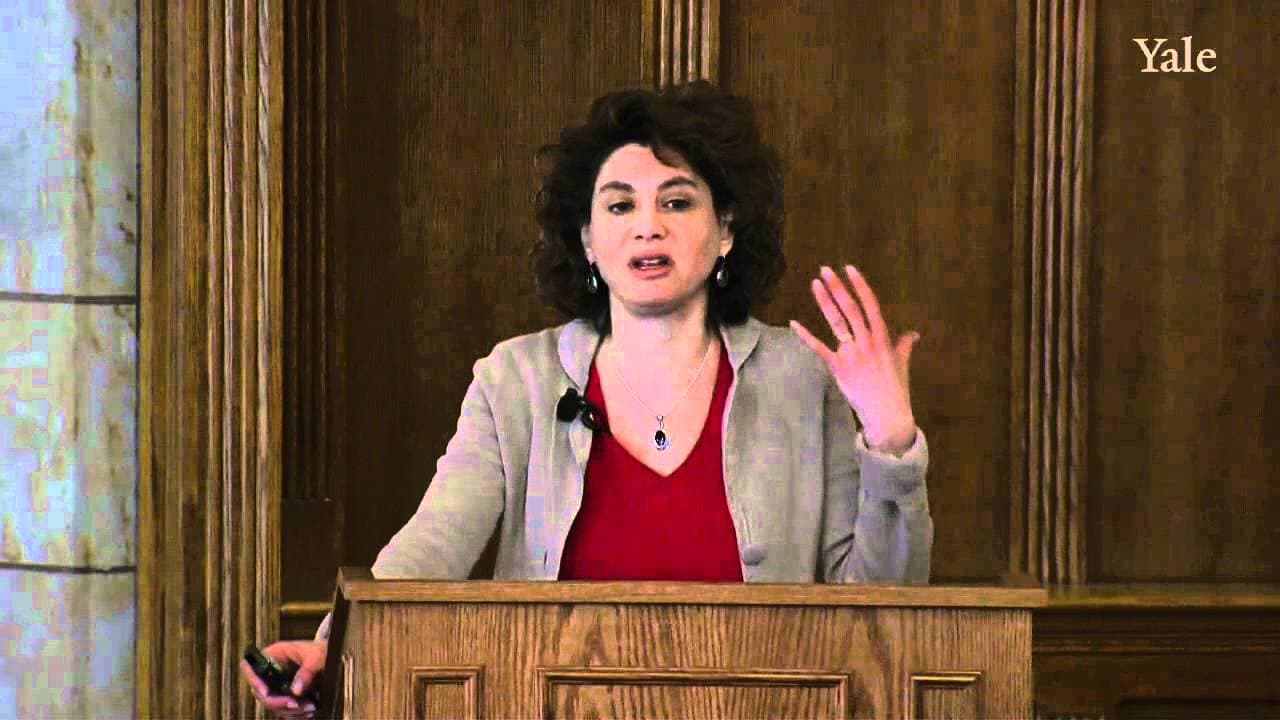
PROFESSOR: So we left ourselves at the end of the last lecture in a somewhat perplexing situation. We had thought through the particular scenarios that Judy Thomson presents us with in her trolley paper. And we had discovered the following apparently perplexing feature about the class's responses. In what's called the Classic Bystander case-- the c... Read More
Key Insights
- 👨 Different distribution of moral judgments between the classic bystander case and the fat man case raises questions about the distinction between deontological and consequentialist perspectives.
- 🥺 Emotional responses and the activation of specific brain regions influence moral judgments, leading to varying responses in different scenarios.
- 🥺 Heuristics play a role in moral reasoning and decision-making, simplifying complex moral dilemmas but also leading to errors and biases.
Install to Summarize YouTube Videos and Get Transcripts
Explore YouTube Video Summarizer or Get YouTube Transcript Extractor
Questions & Answers
Q: Why do the majority of people think it is morally acceptable to turn the trolley in the bystander case but morally prohibited to push the fat man off the bridge in the fat man case?
According to Judy Thomson, the difference lies in the violation of individual rights in the fat man case, whereas the bystander case does not infringe upon any rights. However, other arguments suggest that emotions and the activation of different brain regions may also influence these moral judgments.
Q: What are the three non-classic responses to the trolley case?
The first response assimilates the bystander case to the fat man case, suggesting that it is not morally permissible to kill the one to save the five in either scenario. The second response argues that it is morally required to turn the trolley in both cases. The third response proposes that the cases are fundamentally the same and advocates for pushing the fat man off the bridge.
Q: How do heuristics influence moral reasoning?
Heuristics, such as the availability heuristic and the representative heuristic, simplify complex moral dilemmas by focusing on easy-to-find attributes or typicality. However, these heuristics can lead to errors and biases in moral judgments, as demonstrated in examples of moral dumbfounding and moral framing.
Q: What is the role of emotions in deontological judgments?
According to Greene, deontological judgments, which prioritize norms and principles over consequences, are often driven by emotional responses. These emotional responses may confabulate moral reasoning and lead to differing moral judgments compared to consequentialist perspectives.
Summary & Key Takeaways
-
The analysis examines responses to the classic trolley problem and the fat man case, revealing different distribution of moral judgments between the scenarios.
-
Three non-classic responses to the trolley case are explored, including assimilating the bystander case to the fat man case, arguing for turning the trolley in both scenarios, and pushing the fat man off the bridge.
-
Key insights include the potential influence of emotions on deontological judgments, the use of heuristics in moral reasoning and decision-making, and the challenges in determining morally relevant attributes in different scenarios.
Read in Other Languages (beta)
Share This Summary 📚
Summarize YouTube Videos and Get Video Transcripts with 1-Click
Try YouTube Summary with ChatGPT & Claude or YouTube Transcript Generator
Explore More Summaries from YaleCourses 📚


Summarize YouTube Videos and Get Video Transcripts with 1-Click
Try YouTube Summary with ChatGPT & Claude or YouTube Transcript Generator