Primes are like Weeds (PNT) - Numberphile
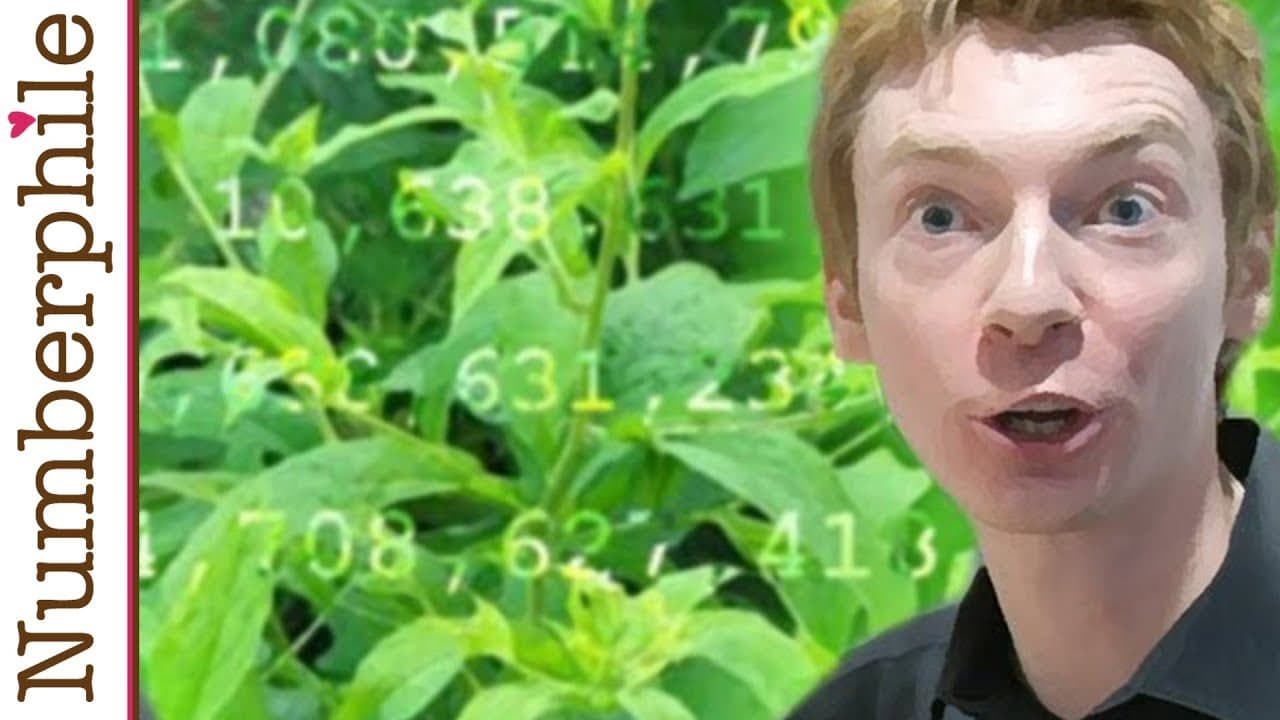
TL;DR
Prime Number Theorem explains prime number distribution; proportion decreases as numbers get larger.
Transcript
DR. JAMES GRIME: So another prime-generating formula is actually the most important one of all. It's called the prime number theorem. So let me write it out. I think it deserves being written out. Really important result in mathematics. It's so important that you can refer to by its TLA. You can refer to it by its three-letter acronym. Just call it... Read More
Key Insights
- 🧑💻 The Prime Number Theorem calculates the distribution of prime numbers based on n divided by the natural log of n.
- #️⃣ As numbers increase, the proportion of prime numbers decreases, leading to more spaced-out prime numbers.
- 📣 Bertrand's postulate ensures there is always a prime between n and 2n, limiting gaps between primes.
- 🧑💻 The average gap between prime numbers is approximately equal to the natural log of n.
- #️⃣ The proportion of prime numbers decreases as numbers get larger, making prime numbers more sparse.
- 🦛 Prime numbers are like "weeds," always popping up with regularity in their distribution.
- 🍉 More sophisticated versions of the Prime Number Theorem exist with added terms to reduce errors.
Install to Summarize YouTube Videos and Get Transcripts
Explore YouTube Video Summarizer or Get YouTube Transcript Extractor
Questions & Answers
Q: What is the Prime Number Theorem and what does it help us understand?
The Prime Number Theorem calculates the distribution of prime numbers less than a given number, providing insights into their spacing as numbers increase.
Q: How does the average gap between prime numbers relate to the natural log of n?
The average gap between prime numbers is approximately equal to the natural log of n, showing that as numbers grow, prime numbers become increasingly spaced out.
Q: What is Bertrand's postulate, and how does it impact the distribution of prime numbers?
Bertrand's postulate ensures that there is always a prime number between n and 2n, restricting the gap between consecutive primes and maintaining regularity in their distribution.
Q: What is the significance of the proportion of prime numbers decreasing as numbers get larger?
The decreasing proportion of prime numbers signifies that as numbers increase, prime numbers become rarer and more spaced out, with their distribution becoming more sparse compared to the overall number range.
Summary & Key Takeaways
-
The Prime Number Theorem calculates the number of primes less than a given number using the formula n divided by the natural log of n.
-
The theorem shows that as numbers increase, the proportion of prime numbers decreases, with an average gap between primes equal to the natural log of n.
-
Bertrand's postulate ensures there is always a prime between n and 2n, limiting the gap between primes.
Read in Other Languages (beta)
Share This Summary 📚
Summarize YouTube Videos and Get Video Transcripts with 1-Click
Try YouTube Summary with ChatGPT & Claude or YouTube Transcript Generator
Explore More Summaries from Numberphile 📚




Summarize YouTube Videos and Get Video Transcripts with 1-Click
Try YouTube Summary with ChatGPT & Claude or YouTube Transcript Generator