Why Fracking Became Financially Unsustainable
TL;DR
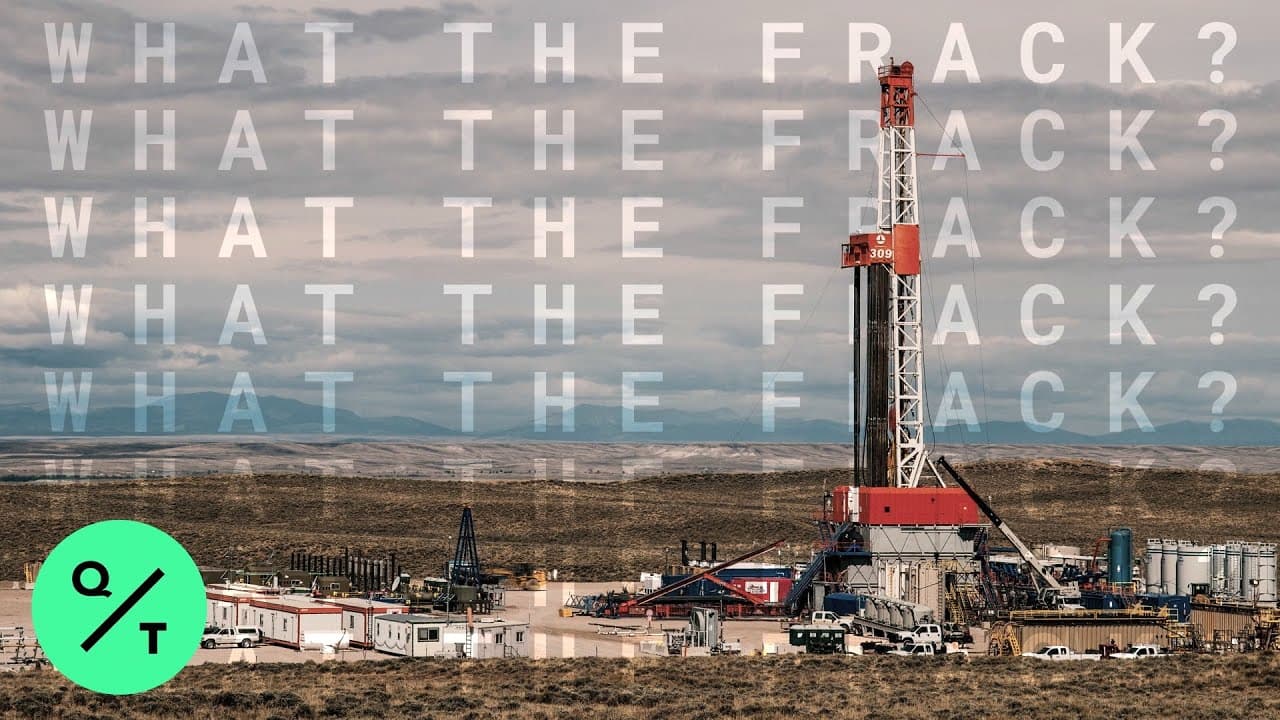
Fracking transformed the U.S. into a major energy producer but proved financially unsustainable. Despite initial success, the industry faced high costs and diminishing returns, leading to massive debt and bankruptcies. The model relied on continuous drilling, high oil prices, and investor optimism, but ultimately failed due to oversupply and market fluctuations.
Transcript
If you wanna get around, if you wanna drive a car, you wanna get on a plane, you need oil. It has been the foundation of the 20th century economy. Once considered impossible, American energy independence has become a reality. And for better or for worse, it's all thanks to fracking. The spoils of which have spurred what's commonly called the Shale ... Read More
Key Insights
- Fracking combined horizontal drilling and hydraulic fracturing to extract oil and gas from dense shale rock.
- The U.S. increased oil production from 5 million to 13 million barrels per day due to fracking.
- Fracking was initially seen as a path to U.S. energy independence but faced financial issues.
- Shale wells experience steep production declines, requiring constant new drilling.
- Investors were initially attracted by high oil prices and potential returns, but profits were elusive.
- The industry incurred high debts, with many companies filing for bankruptcy.
- Environmental concerns and financial losses have led to calls for reducing fracking.
- Despite setbacks, fracking remains a significant part of the U.S. energy landscape.
Install to Summarize YouTube Videos and Get Transcripts
Explore YouTube Video Summarizer or Get YouTube Transcript Extractor
Questions & Answers
Q: How does fracking extract oil and gas?
Fracking extracts oil and gas by combining horizontal drilling and hydraulic fracturing. This technique involves drilling deep into the earth, then horizontally into shale formations. High-pressure fluid is injected to fracture the rock, releasing trapped oil and gas. This method unlocked vast resources but is costly and environmentally controversial.
Q: Why did fracking lead to financial losses?
Fracking led to financial losses due to high operational costs and rapid production declines in shale wells, necessitating constant drilling. The industry's reliance on high oil prices and investor optimism proved unsustainable, resulting in significant debt and bankruptcies as market conditions fluctuated and profits remained elusive.
Q: What impact did fracking have on U.S. oil production?
Fracking significantly increased U.S. oil production, transforming the country into a major energy player. It boosted production from 5 million to 13 million barrels per day, reducing reliance on foreign oil. However, the financial model's instability and environmental concerns have raised questions about its long-term sustainability.
Q: What challenges did the fracking industry face?
The fracking industry faced challenges such as high operational costs, rapid production declines, and environmental concerns. Financially, it struggled with sustaining investor returns and managing debt, as market fluctuations and oversupply impacted profitability, leading to numerous bankruptcies and a reevaluation of its business model.
Q: How did market conditions affect fracking's viability?
Market conditions, like fluctuating oil prices and oversupply, severely affected fracking's viability. The industry's dependence on high prices for profitability led to financial instability when prices fell. This, combined with high production costs and environmental scrutiny, resulted in significant financial losses and bankruptcies.
Q: What role did investors play in the fracking boom?
Investors played a crucial role in the fracking boom by providing capital based on the promise of high returns and U.S. energy independence. However, the industry's financial model, reliant on continuous drilling and high oil prices, proved unsustainable, leading to significant debt and eventual investor disillusionment.
Q: How did environmental concerns impact fracking?
Environmental concerns, such as water contamination and ecological damage, have significantly impacted the perception and regulation of fracking. These issues, coupled with financial losses, have fueled opposition from environmentalists and some investors, advocating for reduced reliance on fracking and a shift towards sustainable energy sources.
Q: What is the future outlook for the fracking industry?
The future outlook for the fracking industry remains uncertain. While it has significantly boosted U.S. energy production, financial instability and environmental concerns challenge its long-term viability. The industry may persist but likely with reduced growth and increased scrutiny, as alternative energy sources gain traction and market conditions evolve.
Summary & Key Takeaways
-
Fracking revolutionized U.S. oil production, making the country a leading energy player. However, the financial model was unsustainable, with high costs and rapid production declines necessitating constant drilling. This led to significant debt, bankruptcies, and poor investor returns, despite initial optimism and high oil prices.
-
The fracking industry's reliance on high oil prices and continuous drilling created a financial treadmill. While it briefly achieved energy independence for the U.S., the model's inherent financial instability and environmental concerns have raised questions about its long-term viability.
-
The shale revolution faced a reckoning as oversupply, market fluctuations, and environmental concerns exposed its financial vulnerabilities. Despite its transformative impact on U.S. energy production, the fracking industry struggled with profitability, leading to significant financial losses and a reevaluation of its sustainability.
Read in Other Languages (beta)
Share This Summary 📚
Summarize YouTube Videos and Get Video Transcripts with 1-Click
Try YouTube Summary with ChatGPT & Claude or YouTube Transcript Generator
Explore More Summaries from Bloomberg Originals 📚




Summarize YouTube Videos and Get Video Transcripts with 1-Click
Try YouTube Summary with ChatGPT & Claude or YouTube Transcript Generator