How Romania Halted German Advances in WWI
TL;DR
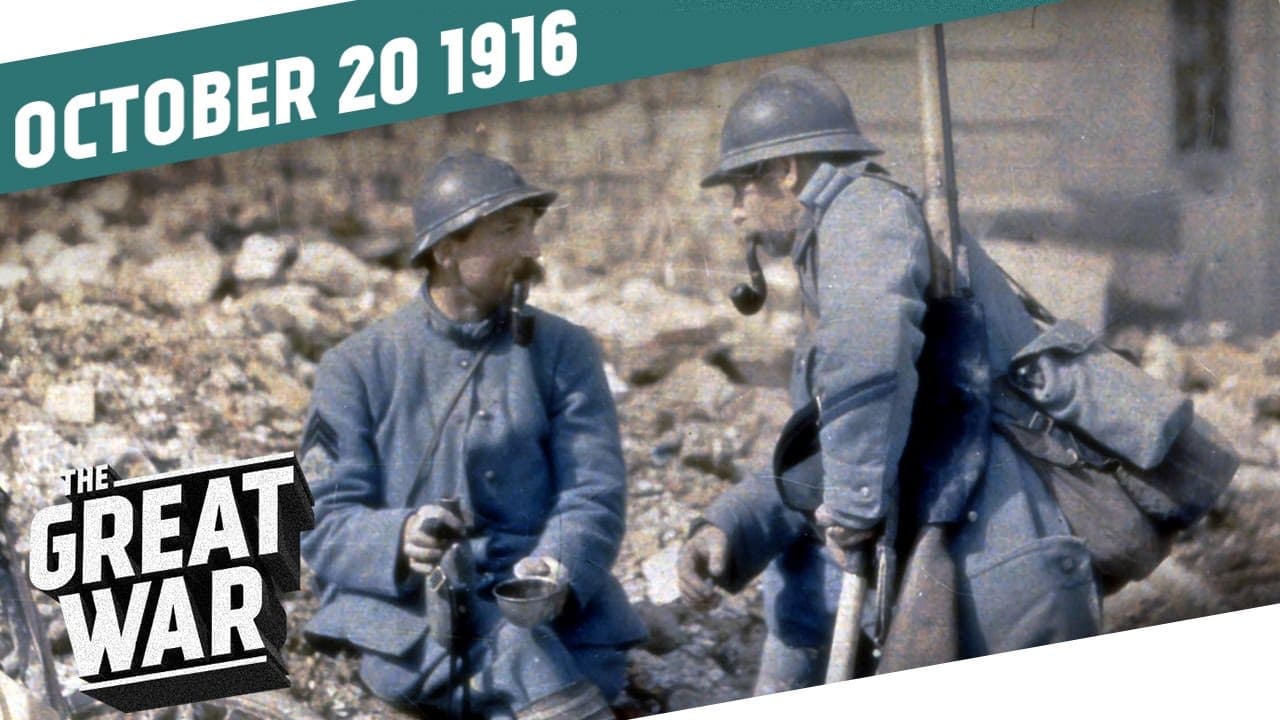
Romania managed to halt the German advance led by Erich von Falkenhayn in the Carpathian mountains, despite being out-gunned and out-equipped. Meanwhile, the French prepared a counterattack to reclaim Fort Douaumont at Verdun, while the British faced setbacks at the Somme due to deteriorating weather conditions.
Transcript
When Romania joined the Allies in the war eight weeks ago, Germany halted all offensive actions on all fronts until they had dealt with Romania. The might of the four Central Powers had descended on Romania under German leadership, and things looked grim, but you know what? This week, Romania stops the Germans. I’m Indy Neidell; welcome to the Grea... Read More
Key Insights
- Romania stopped the German advance in the Carpathian mountains despite being out-gunned and out-equipped.
- The French prepared a counterattack at Verdun to reclaim Fort Douaumont with meticulous planning and resource allocation.
- British forces faced failures at the Somme due to poor weather and challenging conditions.
- The Serbs made advances against Bulgarian lines in the Balkans, capturing key positions.
- The French established a mood of optimism at Verdun with thorough preparations and strategic planning.
- German morale at Verdun was low due to exhaustion, poor conditions, and anticipation of a French attack.
- Romania was forced to fight on two fronts, weakening their overall defensive capabilities.
- The French gained control of the Piraeus-Larissa railroad in Greece, affecting Greek neutrality.
Install to Summarize YouTube Videos and Get Transcripts
Explore YouTube Video Summarizer or Get YouTube Transcript Extractor
Questions & Answers
Q: How did Romania stop the German advance in World War I?
Romania managed to halt the German advance led by Erich von Falkenhayn in the Carpathian mountains by using strategic positioning and resilience, despite being out-gunned and out-equipped. The Romanians utilized the challenging mountainous terrain to their advantage, allowing them to hold back the more powerful German forces temporarily.
Q: What were the French preparations for the counterattack at Verdun?
The French prepared for the counterattack at Verdun by amassing a large number of artillery pieces, including railway guns, and stockpiling 15,000 tons of ammunition. They also rehearsed tactics extensively, including a detailed creeping barrage plan, and established robust communication lines to ensure precise coordination between infantry and artillery.
Q: Why did the British face setbacks at the Somme?
The British faced setbacks at the Somme due to poor weather conditions, which made it difficult to locate enemy positions accurately and hampered artillery effectiveness. The muddy terrain exhausted troops and hindered movement, while poor visibility and worn-out artillery further contributed to the failures of their attacks.
Q: What advances did the Serbs make in the Balkans during this period?
The Serbs made significant advances against Bulgarian lines in the Balkans, capturing key positions such as Velyselo and Baldentsi. Under General Mischitch, they broke through Bulgarian defenses, demonstrating effective military tactics and gaining ground despite the challenging conditions of the mountainous terrain.
Q: What was the mood among French troops at Verdun?
The mood among French troops at Verdun was optimistic due to thorough preparations and strategic planning for the counterattack. The French high command ensured that troops were well-equipped and rehearsed, creating a sense of readiness and confidence in their ability to reclaim lost ground, particularly Fort Douaumont.
Q: How did German morale fare at Verdun during this period?
German morale at Verdun was low due to exhaustion, poor conditions, and anticipation of a French attack. Troops were overextended, with many having been stationed there since February without relief. The continuous bombardment and harsh weather conditions further deteriorated their morale, leading to increased desertions.
Q: What challenges did Romania face fighting on two fronts?
Romania faced significant challenges fighting on two fronts, as it stretched their already limited resources and forces. They had to defend against German advances in the Carpathians while also dealing with threats from other Central Powers, making it difficult to concentrate their efforts effectively and weakening their overall defensive capabilities.
Q: How did the French gain control of the Piraeus-Larissa railroad in Greece?
The French gained control of the Piraeus-Larissa railroad in Greece by demanding its surrender from Greek authorities. This move was part of the Allied strategy to prevent Greek King Constantine from joining the Central Powers. The surrender of the railroad led to riots and demonstrations against the Allies, further complicating the already tense situation in Greece.
Summary & Key Takeaways
-
Romania managed to halt the German advance led by Erich von Falkenhayn in the Carpathian mountains, demonstrating resilience despite being out-gunned and out-equipped. This temporary success highlighted the strategic challenges faced by the Central Powers.
-
The French meticulously prepared for a counterattack at Verdun to reclaim Fort Douaumont. They amassed significant artillery and rehearsed tactics extensively, creating optimism among the troops.
-
British forces faced setbacks at the Somme due to deteriorating weather conditions, which hampered their ability to advance. The challenging environment led to heavy casualties and limited gains.
Read in Other Languages (beta)
Share This Summary 📚
Summarize YouTube Videos and Get Video Transcripts with 1-Click
Try YouTube Summary with ChatGPT & Claude or YouTube Transcript Generator
Explore More Summaries from The Great War 📚


Summarize YouTube Videos and Get Video Transcripts with 1-Click
Try YouTube Summary with ChatGPT & Claude or YouTube Transcript Generator