How Did Trading Cards Become a $1B+ Asset?
TL;DR
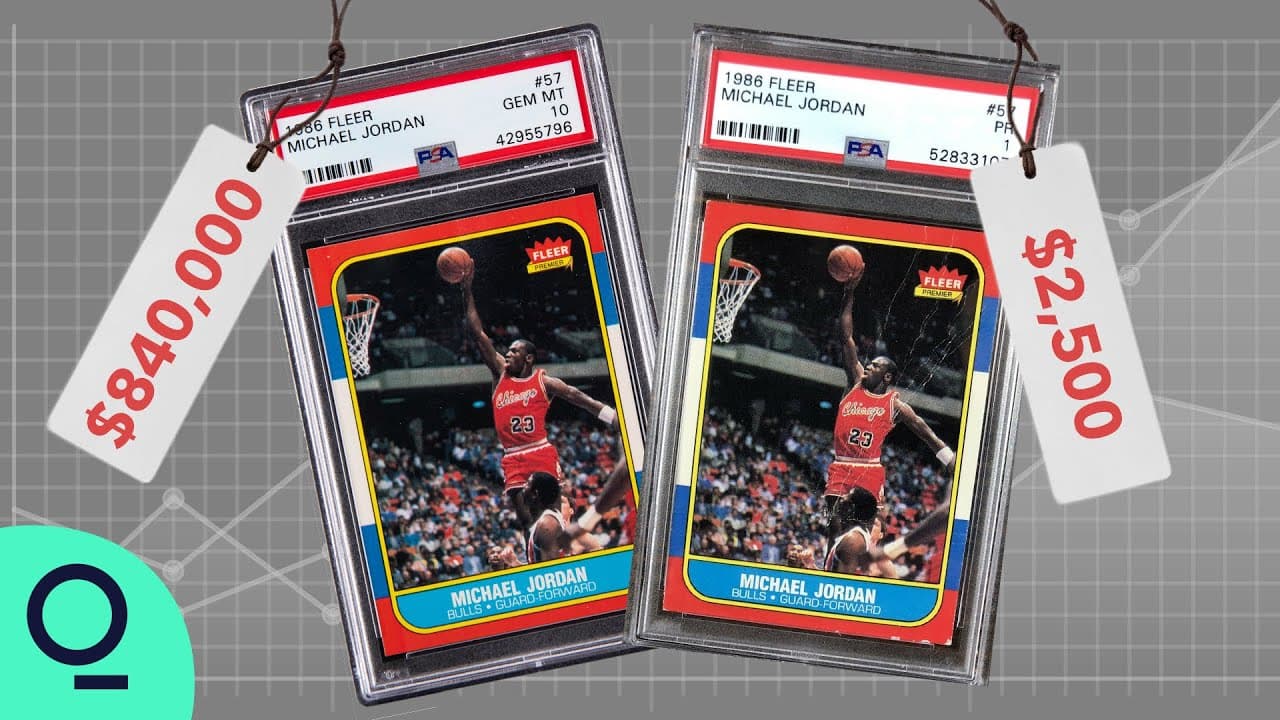
Trading cards have surged in value, becoming a significant asset class driven by alternative investments and market dynamics. The rise is partly due to the influence of prominent figures in the industry, exclusive licensing, and innovations like fractional ownership. The market's growth has been fueled by scarcity and the appeal of modern cards over vintage ones.
Transcript
like a lot of people i think when i was younger collected cards i would buy packs and i had binders filled with different baseball and basketball cards and i had not thought of these cards in 15 or 20 years i assumed as the internet came along and people got interested in other things that these had fallen out of favor much like beanie babies and p... Read More
Key Insights
- Trading cards have become a billion-dollar asset class, with valuations skyrocketing in recent years.
- The Great Recession led investors to seek alternative asset classes, including trading cards, to diversify portfolios.
- Ken Golden is a key figure in the trading card market, known for his extensive experience and influence.
- Modern trading cards are now more valuable than vintage cards, appealing to younger collectors.
- Exclusive licensing deals with major sports leagues have shaped the trading card market's landscape.
- Grading by companies like PSA has added value and authenticity to trading cards, impacting their market worth.
- Fractional ownership allows investors to buy shares in high-value cards, democratizing access to this asset class.
- The market's rapid growth may stabilize, with trading cards potentially becoming a permanent asset class.
Install to Summarize YouTube Videos and Get Transcripts
Explore YouTube Video Summarizer or Get YouTube Transcript Extractor
Questions & Answers
Q: How did trading cards become a billion-dollar asset class?
Trading cards became a billion-dollar asset class through a combination of factors, including the search for alternative investments following the Great Recession, the influence of industry figures like Ken Golden, and innovations like exclusive licensing deals and grading systems. These elements have increased the cards' appeal and value, transforming them into a significant investment opportunity.
Q: What role does Ken Golden play in the trading card market?
Ken Golden is a prominent figure in the trading card market, known for his extensive experience and influence. He founded Golden Auctions and has been a key player in promoting and selling high-value cards. His efforts have helped shape the market, focusing on contemporary cards and expanding beyond traditional baseball cards to include other sports.
Q: Why are modern trading cards more valuable than vintage ones?
Modern trading cards have become more valuable than vintage ones due to the younger demographic of collectors who are more interested in current players. The market's focus has shifted to contemporary cards, driven by exclusive licensing deals, innovations like one-of-one cards, and the appeal of scarcity, which have all contributed to their increased value.
Q: How do exclusive licensing deals impact the trading card market?
Exclusive licensing deals impact the trading card market by determining which manufacturers can produce cards for specific sports leagues. These deals create a controlled supply, enhancing the cards' scarcity and value. Companies like Topps, Upper Deck, and Panini have secured licenses for various sports, shaping the market dynamics and influencing collector interest.
Q: What is the significance of grading systems in the trading card market?
Grading systems, such as those provided by PSA, are significant in the trading card market as they offer a standardized method of assessing a card's condition and authenticity. This adds a layer of trust and value, influencing market prices. Graded cards often command higher prices, as buyers are assured of their quality, making grading a crucial factor in the market.
Q: How does fractional ownership work in the trading card market?
Fractional ownership in the trading card market allows investors to buy shares in high-value cards, making it accessible to those who cannot afford to purchase entire cards. Companies acquire a card, create a legal entity to own it, and offer shares to the public. This model enables broader participation in the market, democratizing access to valuable assets.
Q: Is the trading card market a bubble or a new asset class?
The trading card market's future as a bubble or a new asset class is uncertain. While recent rapid price increases have stabilized, the market's dynamics suggest it could become a permanent asset class. Factors like inflation, alternative investment appeal, and the market's growth potential indicate that trading cards may continue to hold value in diversified portfolios.
Q: What factors contributed to the trading card market's growth during the pandemic?
The trading card market's growth during the pandemic was fueled by increased interest in alternative investments, the appeal of scarcity, and the influence of social media and prominent figures in the industry. The pandemic provided time for collectors to engage with the hobby, while innovations like fractional ownership and grading systems enhanced the market's appeal and accessibility.
Summary & Key Takeaways
-
Trading cards have evolved from a childhood hobby into a billion-dollar asset class. The market's growth is driven by alternative investments, with figures like Ken Golden playing a pivotal role. Modern cards now overshadow vintage ones as younger collectors enter the scene, and exclusive licensing deals with sports leagues have further influenced the market dynamics.
-
The introduction of grading systems by companies such as PSA has added a layer of authenticity and value to trading cards, significantly impacting their market worth. Fractional ownership has democratized access, allowing investors to buy shares in high-value cards, making the market more accessible to a broader audience.
-
The rapid surge in trading card prices has leveled off, raising questions about whether this is a bubble or a new asset class. While the market's future remains uncertain, the current landscape suggests that trading cards could become a permanent fixture in asset portfolios, much like stocks or real estate.
Read in Other Languages (beta)
Share This Summary 📚
Summarize YouTube Videos and Get Video Transcripts with 1-Click
Try YouTube Summary with ChatGPT & Claude or YouTube Transcript Generator
Explore More Summaries from Bloomberg Originals 📚





Summarize YouTube Videos and Get Video Transcripts with 1-Click
Try YouTube Summary with ChatGPT & Claude or YouTube Transcript Generator