Mestrallet: Next French Government to Be Pro-Business
TL;DR
Paris aims to attract financial services post-Brexit.
Transcript
to what extent is this uncertainty surrounding this French presidential campaign meaning businesses in London are wary of committing to Paris right now post brexit you know it depends on on the the situation of the banks and financial institutions um we would understand completely that they would wait for the elections before taking a final decisio... Read More
Key Insights
- The uncertainty of the French presidential campaign affects business decisions in London regarding moving to Paris post-Brexit.
- HSBC is the only major bank explicitly committed to relocating to Paris, while others remain undecided.
- Paris is positioned as the second-largest financial center in Europe, after London, due to its global city status.
- Concerns about France's corporate tax and labor laws affect its attractiveness to financial institutions.
- France plans to reduce corporate tax from 33% to 28% by 2020, as already voted by the French Parliament.
- There is optimism that the next French government will be pro-business, regardless of the election outcome.
- Marine Le Pen's potential victory raises concerns about diminished interest from UK businesses.
- Paris and London maintain strong cooperation post-Brexit, with agreements to continue collaboration.
Install to Summarize YouTube Videos and Get Transcripts
Explore YouTube Video Summarizer or Get YouTube Transcript Extractor
Questions & Answers
Q: What impact does the French presidential election have on business decisions?
The uncertainty surrounding the French presidential election affects business decisions, particularly for financial institutions in London considering relocating to Paris post-Brexit. Businesses are cautious and may wait for election outcomes before making long-term commitments, as these decisions will influence their operations for decades.
Q: Which banks have committed to relocating to Paris?
HSBC is the only major bank that has explicitly committed to relocating to Paris, planning to transfer 1,000 employees. Other banks, such as RBS, Barclays, Credit Suisse, and Standard Chartered, are considering locations like Dublin and Frankfurt, but have not made explicit commitments to Paris.
Q: How does Paris compare to other European financial centers?
Paris is positioned as the second-largest financial center in Europe, after London, due to its status as a global city. It is larger than Germany in asset management and private equity sectors, making it a significant competitor to other financial hubs like Dublin and Frankfurt.
Q: What are the concerns about France's corporate tax and labor laws?
Concerns about France's corporate tax and labor laws impact its attractiveness to financial institutions. France's corporate tax is currently 33%, similar to Germany, but there is a law in place to reduce it to 28% by 2020. Labor flexibility and social taxes are also areas of concern for businesses.
Q: What is the outlook for the next French government regarding business?
There is optimism that the next French government will be pro-business, regardless of the election outcome. Mestrallet suggests that either Emmanuel Macron or François Fillon will lead a business-friendly administration, which could enhance France's appeal to financial institutions post-Brexit.
Q: How does Marine Le Pen's potential presidency affect business interest?
Marine Le Pen's potential presidency raises concerns about diminished interest from UK businesses in relocating to Paris. While Mestrallet acknowledges the uncertainty, he believes that the likelihood of her winning is low, based on numerous polls, and expects a business-friendly government to emerge.
Q: What is the current relationship between Paris and London post-Brexit?
Paris and London maintain a strong cooperative relationship post-Brexit, with agreements to continue collaboration. Mestrallet emphasizes the historical friendship and cooperation between the two cities, aiming to attract financial services to Paris while maintaining ties with London.
Q: What initiatives are in place to attract financial services to Paris?
Initiatives to attract financial services to Paris include promoting the city's status as a global financial center and addressing concerns about corporate tax and labor laws. The French Parliament has voted to reduce corporate tax to 28% by 2020, and efforts are ongoing to improve labor flexibility and social taxes.
Summary & Key Takeaways
-
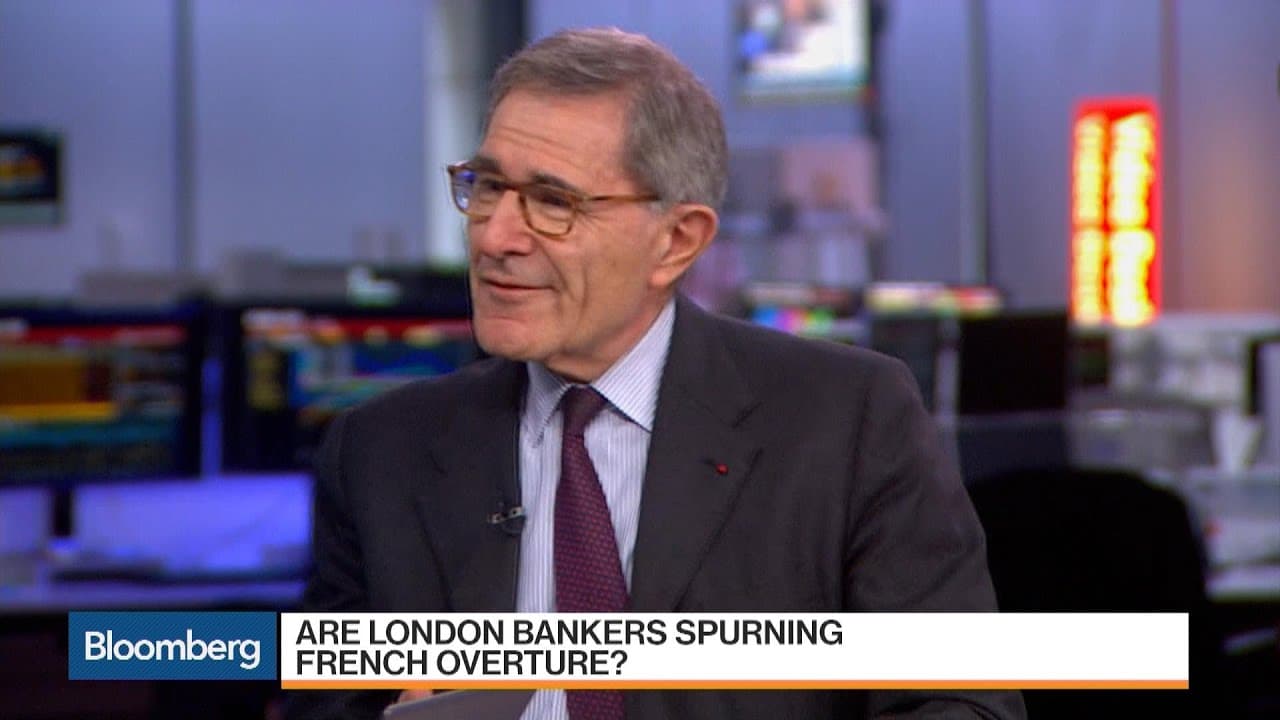
Engie Chairman Gerard Mestrallet discusses the potential impact of the French presidential election on financial institutions' decisions to relocate to Paris post-Brexit. He highlights Paris as a major global city and financial center, second only to London in Europe, and addresses concerns regarding corporate tax and labor laws.
-
While HSBC has committed to moving to Paris, other banks remain undecided, with some considering Dublin and Frankfurt. Mestrallet emphasizes that France plans to reduce corporate tax to 28% by 2020, which could enhance Paris's attractiveness as a financial hub.
-
Despite concerns about Marine Le Pen's potential presidency, Mestrallet is confident that the next French government will be business-friendly. Paris and London continue to maintain a strong cooperative relationship, aiming to attract financial services to Paris in the wake of Brexit.
Read in Other Languages (beta)
Share This Summary 📚
Summarize YouTube Videos and Get Video Transcripts with 1-Click
Try YouTube Summary with ChatGPT & Claude or YouTube Transcript Generator
Explore More Summaries from Bloomberg Originals 📚





Summarize YouTube Videos and Get Video Transcripts with 1-Click
Try YouTube Summary with ChatGPT & Claude or YouTube Transcript Generator