How Did Dunsterforce Impact the Siege of Baku?
TL;DR
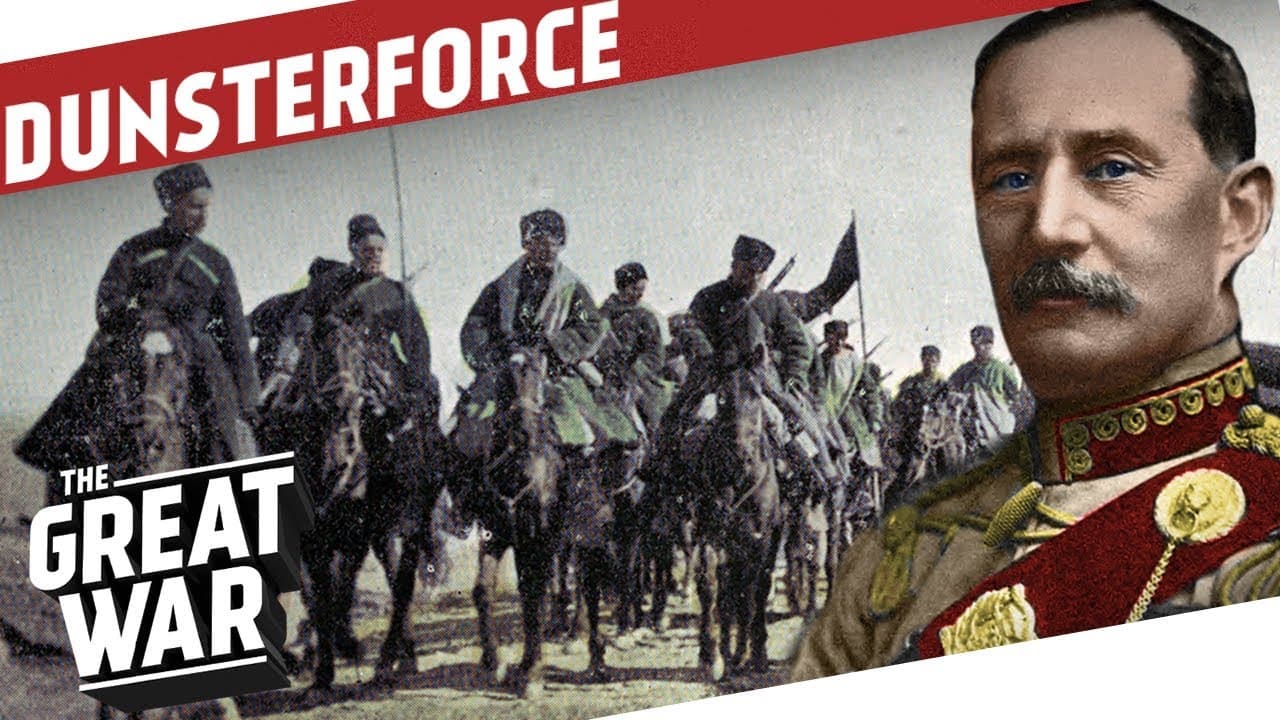
Dunsterforce, a British military mission, attempted to secure Baku during the chaotic aftermath of the Russian Revolution. Despite their efforts, internal disorganization among local forces and political complexities led to Baku's fall to the Ottomans. The mission highlighted the challenges of revolution and the difficulty in establishing stable governance amidst war.
Transcript
This is Part two of our Christmas special about one of the most forgotten theaters - and most forgotten actions of the war. Today we’ll see some of the real chaos of the Caucasus post-Russian revolution, and some real adventure by the Caspian Sea. I’m Indy Neidell, welcome to part two of this year’s Great War Christmas Special- the adventures of Du... Read More
Key Insights
- Dunsterforce was a British military mission led by General Lionel Dunsterville.
- The mission aimed to secure Baku and prevent Ottoman access to oil resources.
- Baku's strategic importance lay in its oil supplies and access to the Caspian Sea.
- Internal disorganization and political chaos in Baku hindered effective defense.
- Revolutionary committees in Baku struggled with decision-making and enforcement.
- Dunsterville's forces faced logistical challenges and inadequate local support.
- The Siege of Baku ended with the city's fall to Ottoman forces in September 1918.
- The mission underscored the complexities of post-revolutionary governance.
Install to Summarize YouTube Videos and Get Transcripts
Explore YouTube Video Summarizer or Get YouTube Transcript Extractor
Questions & Answers
Q: What was Dunsterforce's mission in Baku?
Dunsterforce was a British military mission tasked with securing Baku during World War I. The mission aimed to prevent the Ottoman Empire from gaining access to Baku's valuable oil reserves and strategic position on the Caspian Sea. Despite their efforts, local political chaos and disorganization ultimately led to the city's fall to the Ottomans.
Q: Why was Baku strategically important during World War I?
Baku was strategically important during World War I due to its vast oil reserves, which were crucial for fueling military operations. Control of Baku also provided access to the Caspian Sea, enabling control over regional trade routes and military logistics. The city's capture by the Ottomans would have allowed them to extend their influence into Central Asia.
Q: What challenges did Dunsterforce face in Baku?
Dunsterforce faced numerous challenges in Baku, including internal political disorganization among local defense forces and revolutionary committees. The lack of cohesive leadership and decision-making hindered effective military operations. Additionally, logistical difficulties and inadequate support from local troops complicated efforts to hold the city against the advancing Ottomans.
Q: How did internal politics affect Baku's defense?
Internal politics in Baku significantly affected its defense, as the city was governed by a coalition of revolutionary committees and factions with conflicting interests. Decision-making was slow and inefficient due to the committee-based governance structure, leading to delays in military responses and strategic planning. This disorganization ultimately contributed to the city's fall to Ottoman forces.
Q: What was the outcome of the Siege of Baku?
The outcome of the Siege of Baku was the city's capture by Ottoman forces in September 1918. Despite the efforts of Dunsterforce and local defenders, internal disorganization and lack of effective leadership led to the fall of Baku. The capture provided the Ottomans with access to valuable oil resources and strategic control over the region.
Q: What insights did Dunsterville share about revolution and governance?
General Dunsterville shared insights about the challenges of revolution and governance, noting that while it is easy to dismantle existing governments, establishing effective new governance is difficult. He observed that revolutionary periods often lead to chaos and disorganization, as seen in Baku, where political instability and lack of cohesive leadership hindered effective military and administrative operations.
Q: Why did Dunsterville decide to withdraw from Baku?
Dunsterville decided to withdraw from Baku due to the unsustainable situation, where his forces were doing most of the fighting without adequate local support. The internal disorganization and reluctance of local troops to engage effectively against the Ottomans made holding the city untenable. He advised local leaders to seek peace terms before the inevitable fall of Baku.
Q: What lessons were learned from the Dunsterforce mission?
The Dunsterforce mission highlighted the complexities of military interventions in politically unstable regions. Key lessons include the importance of cohesive local leadership, the challenges of coordinating with diverse factions, and the difficulties of establishing stable governance post-revolution. The mission also underscored the strategic significance of controlling resources like oil during wartime.
Summary & Key Takeaways
-
Dunsterforce, under General Lionel Dunsterville, aimed to secure Baku during World War I to prevent Ottoman access to its strategic oil reserves. Despite initial successes, the mission was hindered by local political chaos and disorganization, leading to Baku's fall. The operation highlighted the difficulties of establishing stable governance in a post-revolutionary context.
-
The mission faced numerous challenges, including navigating alliances with local Cossacks, Bolsheviks, and other factions. Internal disagreements and lack of cohesive leadership in Baku's defense forces complicated efforts to hold the city. Ultimately, the Ottomans captured Baku, emphasizing the strategic importance of the region and the complexities of wartime diplomacy.
-
Dunsterville's account of the mission reflects on the broader challenges of revolutionary periods, where existing governments are easily dismantled, but establishing effective new governance proves difficult. The Siege of Baku serves as a case study in the interplay of military strategy, political instability, and the quest for control over crucial resources during wartime.
Read in Other Languages (beta)
Share This Summary 📚
Summarize YouTube Videos and Get Video Transcripts with 1-Click
Try YouTube Summary with ChatGPT & Claude or YouTube Transcript Generator
Explore More Summaries from The Great War 📚
Summarize YouTube Videos and Get Video Transcripts with 1-Click
Try YouTube Summary with ChatGPT & Claude or YouTube Transcript Generator