The dark side of this common coping strategy

TL;DR
Tara Schuster shares her journey from using weed to cope to finding emotional healing.
Transcript
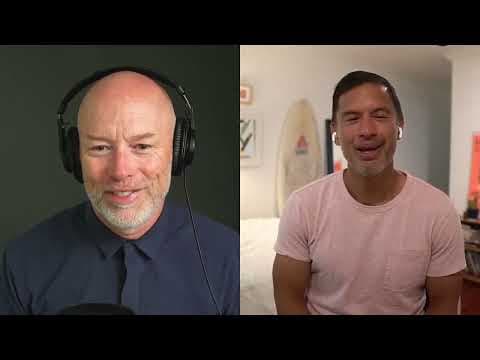
are you a high performer who struggles to turn your brain off when you're not working maybe you have a coping mechanism like Doom scrolling video games drinking or lighting one up in this episode of the exam and Life podcast I'm joined by Tara Schuster a former executive at Comedy Central and two times best-selling author who is very reliant on con... Read More
Key Insights
- Tara Schuster, a former Comedy Central executive, used cannabis as a coping mechanism for stress and anxiety stemming from a turbulent childhood.
- She realized the adverse effects of her substance use after a life-threatening situation involving a distressing message left for her therapist.
- Tara's journey to recovery involved quitting cannabis cold turkey and treating her healing process like a work project, utilizing resources like literature and self-help tools.
- Internal Family Systems (IFS) therapy played a crucial role in her recovery, helping her understand the different parts of her personality and how they were trying to protect her.
- Tara emphasizes the importance of self-compassion and acknowledging one's own pain as a pathway to healing and overcoming the need to cope with substances.
- The discussion highlights the societal pressures and cultural expectations that contribute to the reliance on substances as coping mechanisms.
- Tara shares practical steps like affect labeling to help individuals better understand and manage their emotions, reducing the need for external coping mechanisms.
- The conversation underscores the significance of internal safety and self-awareness in leading a balanced and fulfilling life.
Install to Summarize YouTube Videos and Get Transcripts
Explore YouTube Video Summarizer or Get YouTube Transcript Extractor
Questions & Answers
Q: What coping mechanism did Tara Schuster rely on and why?
Tara Schuster relied heavily on cannabis as a coping mechanism to deal with stress and anxiety. She began using it at the age of 15 to numb herself from the emotional pain of a turbulent and unsafe childhood. Cannabis helped her dissociate from her feelings and provided a temporary escape from her reality.
Q: What was the turning point in Tara's journey with substance use?
The turning point in Tara's journey with substance use came when she left a distressing voicemail for her therapist, threatening suicide. This incident made her realize the severity of her situation and the need for change. It was a wake-up call that prompted her to take control of her life and seek recovery from her dependence on cannabis.
Q: How did Tara approach her recovery from substance use?
Tara approached her recovery from substance use by treating it like a work project. She quit cannabis cold turkey and created a Google Document to address her questions about life and self-improvement. She immersed herself in literature and self-help resources, taking a DIY approach to emotional healing and self-discovery.
Q: What role did Internal Family Systems therapy play in Tara's recovery?
Internal Family Systems (IFS) therapy played a significant role in Tara's recovery by helping her understand and integrate the different parts of her personality. IFS posits that these parts, such as the perfectionist or the anxious part, are trying to protect us. Tara learned to accept and heal these parts, reducing her reliance on external coping mechanisms like cannabis.
Q: What is Tara's perspective on self-compassion and its importance in healing?
Tara emphasizes the importance of self-compassion, which involves acknowledging one's own pain and being moved to do something about it. She believes that feeling one's pain and understanding it is crucial for healing and reducing the need for substances as coping mechanisms. Self-compassion allows individuals to embrace their emotions and find peace internally.
Q: How does Tara suggest individuals can better manage their emotions?
Tara suggests using affect labeling as a practical tool for managing emotions. This involves identifying and naming the emotions one is experiencing, which has been shown to reduce anxiety and depression. By understanding and acknowledging their emotions, individuals can make more informed choices about how to respond to them, reducing the need for external coping strategies.
Q: What societal factors contribute to the reliance on substances for coping?
Societal factors such as cultural expectations and pressures to achieve can contribute to the reliance on substances for coping. Tara discusses how societal narratives around success and respectability can create stress and feelings of inadequacy, leading individuals to seek external means of numbing and escape, such as alcohol and cannabis.
Q: What does Tara believe is essential for leading a balanced and fulfilling life?
Tara believes that internal safety and self-awareness are essential for leading a balanced and fulfilling life. She emphasizes the importance of understanding one's emotions and needs, cultivating self-compassion, and finding peace within oneself. By doing so, individuals can reduce their reliance on external coping mechanisms and navigate life's challenges more effectively.
Summary & Key Takeaways
-
Tara Schuster discusses her reliance on cannabis to cope with a difficult childhood and the turning point that led her to seek recovery. She shares her journey of quitting substance use and the tools she employed, including literature and self-help resources, to heal herself emotionally.
-
Through Internal Family Systems therapy, Tara learned to understand and integrate different parts of her personality that were trying to protect her. This process helped her overcome the need for substances and find internal safety, which she describes as crucial for a fulfilling life.
-
The episode explores the societal and cultural factors that contribute to substance use as a coping mechanism. Tara offers practical advice on emotional awareness and self-compassion, emphasizing the importance of acknowledging and managing emotions to reduce reliance on external coping strategies.
Read in Other Languages (beta)
Share This Summary 📚
Summarize YouTube Videos and Get Video Transcripts with 1-Click
Try YouTube Summary with ChatGPT & Claude or YouTube Transcript Generator
Explore More Summaries from Khe Hy - RadReads 📚


Summarize YouTube Videos and Get Video Transcripts with 1-Click
Try YouTube Summary with ChatGPT & Claude or YouTube Transcript Generator