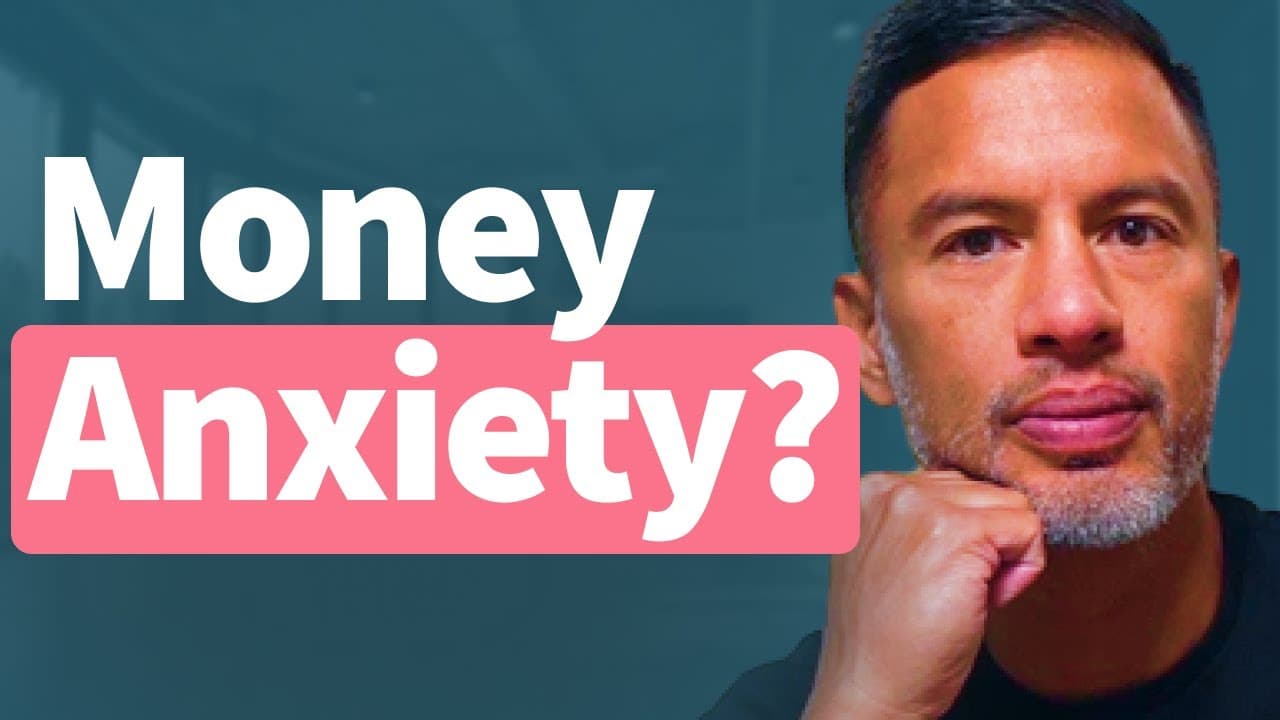
Why RICH people still worry about money
TL;DR
Even the wealthy experience financial anxiety due to emotional ties to money.
Transcript
imagine you had $100 million and were scared of being broke yeah that makes absolutely no sense but if you look at serial entrepreneur Scott Galloway he feels exactly that I'm still trying to make a ton of money I still feel financially very insecure I still worry about a recession becoming a depression and I'm the guy who lost it again I don't fee... Read More
Key Insights
- Wealthy individuals often experience financial anxiety, fearing loss despite their significant wealth due to emotional connections to money.
- Money serves as a symbol for security, self-worth, identity, pride, and status, affecting emotional well-being.
- The relationship between money and happiness is complex, with diminishing returns as wealth increases.
- Studies suggest that beyond a certain income level, additional money does not significantly increase happiness.
- The scarcity mindset can lead to irrational fears of financial ruin, despite stable financial situations.
- Individuals often desire double their current wealth to feel fully satisfied, illustrating the insatiable nature of financial desires.
- Money can address basic needs and security but is limited in fulfilling higher psychological and self-actualization needs.
- Finding 'enough' involves recognizing personal values and priorities, often leading to a more fulfilling life beyond financial wealth.
Install to Summarize YouTube Videos and Get Transcripts
Explore YouTube Video Summarizer or Get YouTube Transcript Extractor
Questions & Answers
Q: Why do wealthy people still worry about money?
Wealthy individuals often worry about money due to emotional connections to financial security, self-worth, and identity. Despite having significant wealth, the fear of losing it all can stem from a scarcity mindset, where past experiences or psychological factors influence their perception of financial stability.
Q: What is the relationship between money and happiness?
The relationship between money and happiness is complex, with studies indicating diminishing returns on happiness as wealth increases. Beyond a certain income level, additional money does not significantly increase happiness, suggesting that financial wealth alone is insufficient for long-term emotional well-being.
Q: How does the scarcity mindset affect wealthy individuals?
The scarcity mindset causes wealthy individuals to irrationally fear financial ruin, despite stable financial situations. This mindset leads to heightened anxiety and stress, as individuals focus on potential financial losses rather than their actual financial security, affecting their overall mental health and decision-making.
Q: What is the significance of the $75,000 income threshold?
The $75,000 income threshold, popularized by research, suggests that beyond this level, additional income does not significantly impact happiness. However, critiques highlight that cost of living, cultural differences, and personal circumstances can influence this threshold, making it a general guideline rather than an absolute rule.
Q: How can money address basic and psychological needs?
Money can effectively address basic needs such as food, shelter, and security, providing a foundation for well-being. However, its ability to fulfill psychological needs like belongingness, esteem, and self-actualization is limited, as these aspects often require personal growth, relationships, and intrinsic satisfaction beyond financial means.
Q: What does finding 'enough' mean in terms of wealth?
Finding 'enough' means recognizing personal values and priorities that lead to fulfillment beyond financial wealth. It involves understanding what truly matters in life, such as relationships, personal growth, and meaningful experiences, and aligning financial decisions with these values to achieve a balanced and satisfying life.
Q: How do personal stories illustrate the scarcity mindset?
Personal stories in the video illustrate the scarcity mindset by showing how individuals, despite having stable financial situations, experience irrational fears of financial ruin. These stories highlight the emotional and psychological factors influencing financial anxiety, demonstrating the need for addressing underlying beliefs and values to overcome such fears.
Q: What role does emotional well-being play in financial decisions?
Emotional well-being significantly influences financial decisions, as individuals often tie their self-worth and identity to their financial status. Understanding the emotional aspects of money can lead to more informed and balanced financial choices, reducing anxiety and promoting a healthier relationship with wealth and financial security.
Summary & Key Takeaways
-
Even wealthy individuals experience financial anxiety due to emotional associations with money, such as security and self-worth. The video explores the relationship between money and happiness, highlighting the diminishing returns of wealth on joy.
-
The scarcity mindset, where individuals fear losing their wealth despite stable financial situations, is discussed. Personal stories illustrate how this mindset can cause irrational fears and affect decision-making.
-
The concept of 'enough' is examined, showing that true fulfillment often comes from personal values and priorities rather than financial wealth. The video concludes with examples of individuals finding contentment beyond monetary success.
Read in Other Languages (beta)
Share This Summary 📚
Summarize YouTube Videos and Get Video Transcripts with 1-Click
Try YouTube Summary with ChatGPT & Claude or YouTube Transcript Generator
Explore More Summaries from Khe Hy - RadReads 📚




Summarize YouTube Videos and Get Video Transcripts with 1-Click
Try YouTube Summary with ChatGPT & Claude or YouTube Transcript Generator