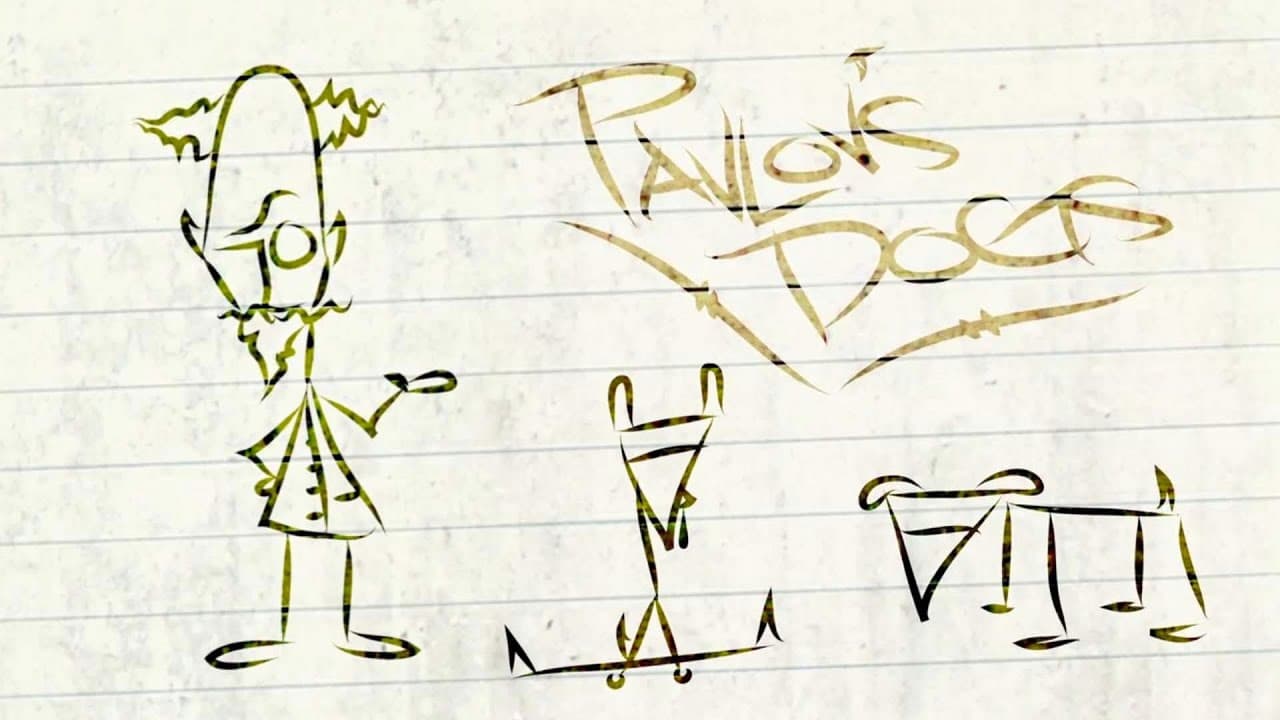
Pavlovian reactions aren't just for dogs - Benjamin N. Witts
TL;DR
Our associations with stimuli shape our behaviors, from love to aversions, impacting relationships and outcomes.
Transcript
Transcriber: Andrea McDonough Reviewer: Bedirhan Cinar You've probably heard of Pavlov's dogs, the phrase that often summarizes Dr. Ivan Pavlov's early 20th century research, in which he demonstrated that we can alter what stimuli elicit a reflective response in canines. He showed this by sounding a bell just before he presented his group of dogs w... Read More
Key Insights
- ❓ Stimuli can elicit responses beyond the original trigger.
- 🥰 Positive associations shape love and bonds, whether with parents or partners.
- 😋 Negative experiences with food can lead to lifelong aversions.
- 🏛️ Classical conditioning principles apply to various aspects of human behavior.
- ✊ The placebo effect highlights the power of belief in shaping outcomes.
- ❓ Consistent pairings impact behavior and emotional responses.
- ❓ Understanding conditioning can offer insights into relationship dynamics.
Install to Summarize YouTube Videos and Get Transcripts
Explore YouTube Video Summarizer or Get YouTube Transcript Extractor
Questions & Answers
Q: How did Pavlov's dogs demonstrate classical conditioning?
Pavlov's dogs learned to associate the sound of a bell with the presentation of meat powder, leading to salivation at the sound alone.
Q: What is the placebo effect, and how does it relate to Pavlovian conditioning?
The placebo effect shows how our beliefs about a treatment can influence our response, similar to how Pavlov's dogs salivated at just the bell sound.
Q: Can Pavlovian conditioning explain love for adoptive parents?
Yes, the consistent pairing of parental figures with positive experiences like affection and care can lead to a strong bond, similar to Pavlov's dogs and meat powder.
Q: How does taste aversion work, and what are its implications in relationships?
Taste aversion occurs when a negative experience with food leads to avoidance, potentially impacting relationships if a bad experience is associated with a specific person's cooking.
Summary & Key Takeaways
-
Pavlov's dogs demonstrated how stimuli can elicit a response without the presence of the original trigger.
-
Love for a parent, whether biological or adoptive, is formed through consistent positive associations.
-
Taste aversion shows how negative experiences with food can lead to lifelong avoidance.
Read in Other Languages (beta)
Share This Summary 📚
Summarize YouTube Videos and Get Video Transcripts with 1-Click
Try YouTube Summary with ChatGPT & Claude or YouTube Transcript Generator
Explore More Summaries from TED-Ed 📚


Summarize YouTube Videos and Get Video Transcripts with 1-Click
Try YouTube Summary with ChatGPT & Claude or YouTube Transcript Generator