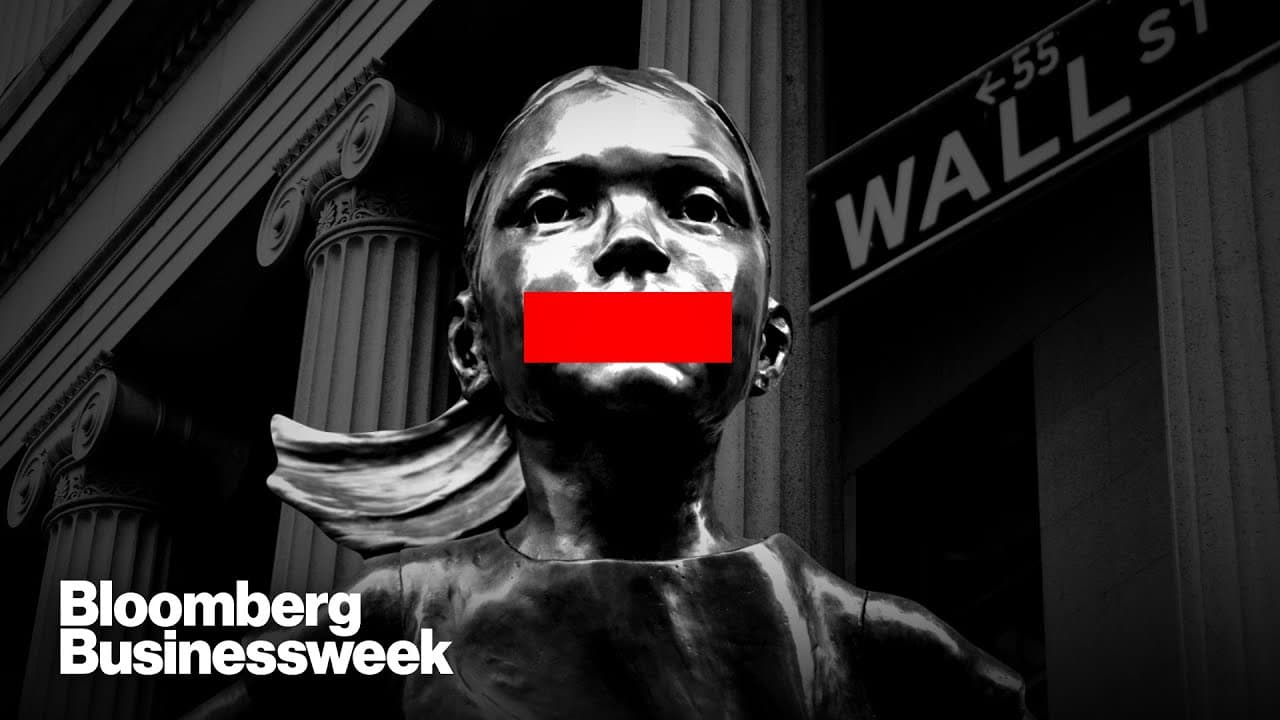
Why Hasn't #MeToo Changed Wall Street?
TL;DR
Wall Street remains largely untouched by the #MeToo movement due to a culture of silence reinforced by arbitration, secrecy, and power dynamics. Women face barriers to speaking out, such as fear of retaliation and forced arbitration, which prevents transparency and collective action against misconduct.
Transcript
When the #MeToo movement first took off and we were getting women coming forward and telling their stories of harassment, assault or discrimination in their workplace. We're like this is only a matter of time before we get some really good stories coming out of the financial industry because we know that it exists. Wall Street just like lots of are... Read More
Key Insights
- Wall Street's culture of silence is maintained through arbitration, secrecy, and fear.
- Only 26% of senior executives on Wall Street are women, with just 8% as CEOs.
- Arbitration is used to keep disputes private, limiting transparency and accountability.
- Women fear being labeled as 'difficult' if they report harassment, discouraging complaints.
- Lloyd's of London faced sexual harassment allegations, leading to policy changes.
- Ken Fisher's inappropriate comments led to client withdrawals and public apologies.
- Despite some progress, Wall Street's systemic issues remain largely unchanged.
- Women need to feel safe to share their stories for meaningful change to occur.
Install to Summarize YouTube Videos and Get Transcripts
Explore YouTube Video Summarizer or Get YouTube Transcript Extractor
Questions & Answers
Q: Why hasn't the #MeToo movement significantly impacted Wall Street?
The #MeToo movement has struggled to impact Wall Street due to a deeply ingrained culture of silence and power dynamics. Arbitration agreements keep disputes private, discouraging transparency and collective action. Women fear retaliation and being labeled as 'difficult,' which prevents them from speaking out. This environment of secrecy and loyalty to the status quo has shielded Wall Street from significant change.
Q: What role does arbitration play in maintaining Wall Street's culture of silence?
Arbitration plays a crucial role in maintaining Wall Street's culture of silence by keeping disputes private and out of the public eye. Originally intended for industry disputes, arbitration is now used for harassment cases, preventing transparency and accountability. This system isolates women, hindering their ability to unite and address systemic issues, thus preserving the status quo and limiting the impact of the #MeToo movement.
Q: How does the gender imbalance on Wall Street contribute to its resistance to change?
The gender imbalance on Wall Street contributes to its resistance to change by reinforcing a male-dominated culture that values secrecy and loyalty over transparency. With only 26% of senior executives and 8% of CEOs being women, there is a lack of female representation in leadership positions. This imbalance discourages women from speaking out against misconduct and perpetuates an environment where systemic issues remain unchallenged.
Q: What changes occurred at Lloyd's of London following harassment allegations?
Following harassment allegations, Lloyd's of London implemented several policy changes to address misconduct. These included establishing a whistleblower hotline, banning alcohol, and announcing a lifetime ban for sexual harassers. The company's leadership acknowledged the need for change, signaling a shift towards greater accountability. However, the long-term impact of these measures on the institution's culture remains to be seen.
Q: How did Ken Fisher's comments affect his investment firm?
Ken Fisher's inappropriate comments led to significant backlash, with institutional clients withdrawing about $4 billion from his investment firm. The incident prompted public apologies from the firm's CEO and highlighted the consequences of unacceptable behavior in the financial industry. Despite the withdrawals, the firm reported asset growth, raising questions about the lasting impact of such incidents on the industry's culture.
Q: What challenges do women face when reporting harassment on Wall Street?
Women on Wall Street face numerous challenges when reporting harassment, including fear of retaliation, being labeled as 'difficult,' and forced arbitration agreements that keep disputes private. These barriers discourage women from coming forward and limit their ability to unite against systemic issues. The culture of silence and secrecy within the industry further isolates women, preventing meaningful change and accountability.
Q: How can women drive change in the finance industry?
Women can drive change in the finance industry by standing together and sharing their stories, despite the risks. Creating safe spaces for women to speak out and support each other is crucial for challenging the culture of silence. Encouraging transparency and holding institutions accountable for misconduct can help dismantle the systemic barriers that have shielded Wall Street from the full impact of the #MeToo movement.
Q: What is the significance of public pressure in addressing misconduct on Wall Street?
Public pressure plays a significant role in addressing misconduct on Wall Street by holding institutions accountable and prompting policy changes. High-profile cases, such as those at Lloyd's of London and Ken Fisher's firm, demonstrate the power of public scrutiny in driving reform. However, while public pressure can lead to immediate changes, sustained efforts and collective action are necessary to achieve long-term cultural shifts within the industry.
Summary & Key Takeaways
-
Wall Street's entrenched culture of silence and power dynamics have shielded it from the full impact of the #MeToo movement. Women in finance often face retaliation or forced arbitration, which limits transparency and collective action against misconduct. Despite some revelations, systemic change remains elusive, highlighting the need for safe spaces for women to share their stories.
-
The finance industry relies on arbitration and secrecy to maintain its status quo, with few women in senior roles and a reluctance to challenge the system. Cases like Lloyd's of London and Ken Fisher show that public pressure can lead to change, but the overall impact on Wall Street has been minimal. More women need to stand together to drive significant reform.
-
Efforts to address harassment on Wall Street are stymied by a culture that prioritizes loyalty and secrecy over transparency. While some companies have taken steps to address misconduct, the finance industry as a whole remains resistant to change. Encouraging women to share their experiences is crucial for breaking the cycle of silence and achieving lasting reform.
Read in Other Languages (beta)
Share This Summary 📚
Summarize YouTube Videos and Get Video Transcripts with 1-Click
Try YouTube Summary with ChatGPT & Claude or YouTube Transcript Generator
Explore More Summaries from Bloomberg Originals 📚





Summarize YouTube Videos and Get Video Transcripts with 1-Click
Try YouTube Summary with ChatGPT & Claude or YouTube Transcript Generator