The $24 Million SIM-Swapping Hack
TL;DR
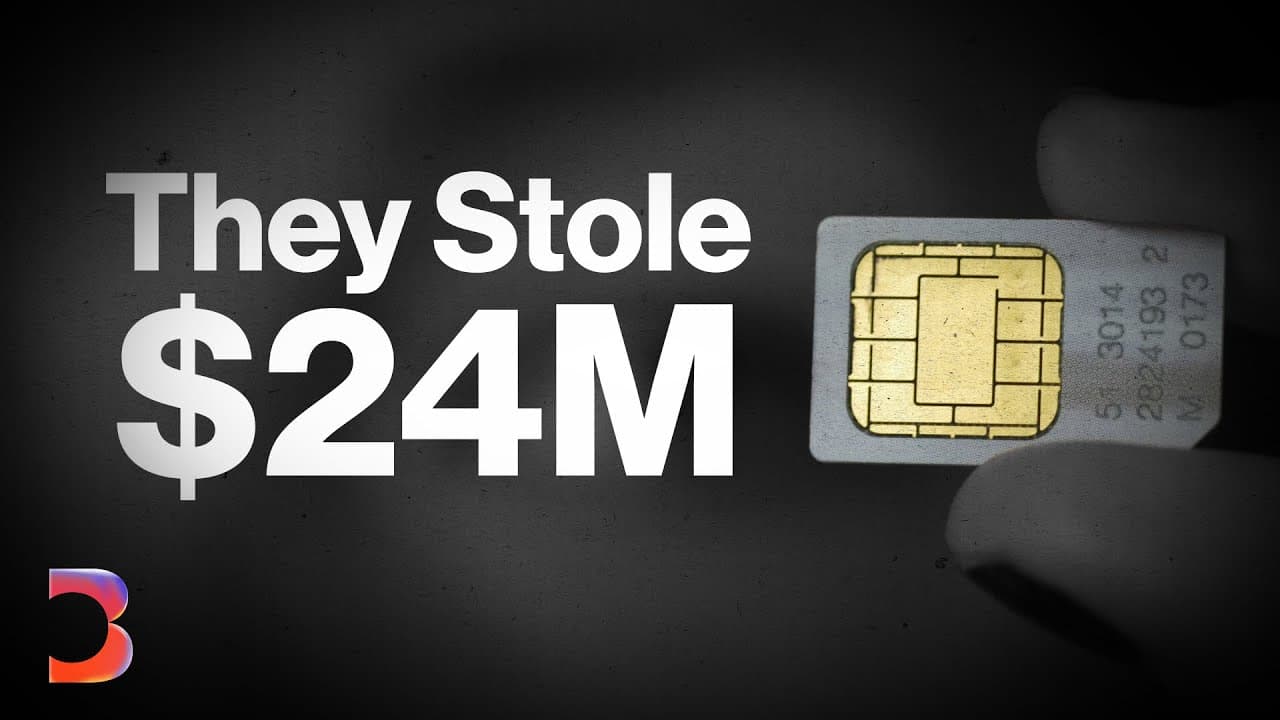
Michael Terpin lost $24 million in a SIM-swapping hack.
Transcript
On the afternoon of January 7th, 2018, Michael Terpin was in Las Vegas for a crypto conference when he got an alert that his email password had been changed. Terpin felt sick. He hadn't reset his password. He soon realized he was the victim of a so-called SIM-swapping hack. Terpin says that during the hour and a half it took an AT&T customer servic... Read More
Key Insights
- SIM-swapping is a form of digital identity theft where hackers gain control of a victim's phone number to access sensitive accounts.
- Michael Terpin, a victim of SIM-swapping, lost $24 million in cryptocurrency due to the hack.
- The hackers, a group of young gamers, used the stolen funds for a lavish lifestyle, including luxury cars and private jets.
- Terpin filed a lawsuit against AT&T, claiming their negligence allowed the hackers to gain access to his accounts.
- The court dismissed Terpin's case against AT&T, ruling that the company was not responsible for the hack.
- SIM-swapping incidents are on the rise, with over 1,600 cases reported in 2022, resulting in $68 million in losses.
- Service providers' vulnerabilities are often exploited in SIM-swapping, making it difficult for individuals to prevent such attacks.
- Despite increased security measures, human susceptibility to manipulation remains a significant challenge in preventing SIM-swapping.
Install to Summarize YouTube Videos and Get Transcripts
Explore YouTube Video Summarizer or Get YouTube Transcript Extractor
Questions & Answers
Q: What is SIM-swapping and how does it work?
SIM-swapping is a form of digital identity theft where hackers manipulate a service provider to reassign a victim's phone number to a new device. This allows the hackers to receive two-factor authentication codes and reset passwords, gaining access to the victim's accounts and personal information.
Q: How did the hackers gain access to Michael Terpin's accounts?
The hackers gained access to Michael Terpin's accounts by conducting a SIM-swapping attack. They convinced an AT&T employee to transfer Terpin's phone number to a new device, allowing them to intercept authentication codes and reset passwords, ultimately accessing his cryptocurrency wallets and stealing $24 million.
Q: What actions did Michael Terpin take after the hack?
After the hack, Michael Terpin took legal action against AT&T, filing a lawsuit for $224 million, accusing the company of negligence. He also used his resources and connections to track down the hackers, gathering evidence and working with law enforcement to hold the perpetrators accountable.
Q: What was the outcome of Terpin's lawsuit against AT&T?
Terpin's lawsuit against AT&T was dismissed by the court, which ruled that the telecommunications provider was not responsible for the hack. Despite the setback, Terpin plans to appeal the decision, arguing that service providers should be held accountable for vulnerabilities that allow SIM-swapping attacks to occur.
Q: Why are SIM-swapping incidents increasing?
SIM-swapping incidents are increasing due to the growing reliance on mobile devices for authentication and the exploitation of service provider vulnerabilities. Hackers find it relatively easy to manipulate customer service representatives, either through deception or bribery, to gain control of victims' phone numbers and access sensitive accounts.
Q: What challenges do victims of SIM-swapping face in seeking justice?
Victims of SIM-swapping face challenges in seeking justice due to the difficulty in holding service providers accountable and the complexity of tracking down perpetrators. Additionally, the involvement of minors in hacking groups complicates legal proceedings, as they may escape prosecution or receive lenient sentences.
Q: How can individuals protect themselves from SIM-swapping attacks?
Individuals can protect themselves from SIM-swapping attacks by using app-based two-factor authentication instead of SMS, setting up a PIN with their service provider, and being cautious about sharing personal information online. However, the inherent vulnerabilities in service providers' systems mean that complete protection is challenging.
Q: What are the broader implications of SIM-swapping on cybersecurity?
The rise of SIM-swapping highlights significant vulnerabilities in cybersecurity, particularly concerning digital identity protection. It underscores the need for improved security protocols, better training for service provider employees, and increased awareness among consumers about the risks and prevention methods associated with digital identity theft.
Summary & Key Takeaways
-
Michael Terpin, a tech entrepreneur, fell victim to a SIM-swapping hack, losing $24 million in cryptocurrency. The hack involved young gamers who exploited vulnerabilities in service providers to gain access to Terpin's accounts. Despite filing a lawsuit against AT&T, the court ruled in favor of the telecommunications company.
-
SIM-swapping has become a prevalent form of digital identity theft, with incidents increasing significantly in recent years. Hackers manipulate service providers to gain control of victims' phone numbers, allowing them to access sensitive information and accounts, often resulting in substantial financial losses.
-
The case highlights the ongoing challenges in cybersecurity, as even enhanced security measures may not fully protect against human manipulation. The rise of SIM-swapping incidents underscores the need for improved security protocols and awareness to safeguard against such attacks.
Read in Other Languages (beta)
Share This Summary 📚
Summarize YouTube Videos and Get Video Transcripts with 1-Click
Try YouTube Summary with ChatGPT & Claude or YouTube Transcript Generator
Explore More Summaries from Bloomberg Originals 📚





Summarize YouTube Videos and Get Video Transcripts with 1-Click
Try YouTube Summary with ChatGPT & Claude or YouTube Transcript Generator