The Pet Foods and Treats I Feed My Dogs
TL;DR
Feeding high-quality, biologically appropriate food enhances dogs' health and longevity.
Transcript
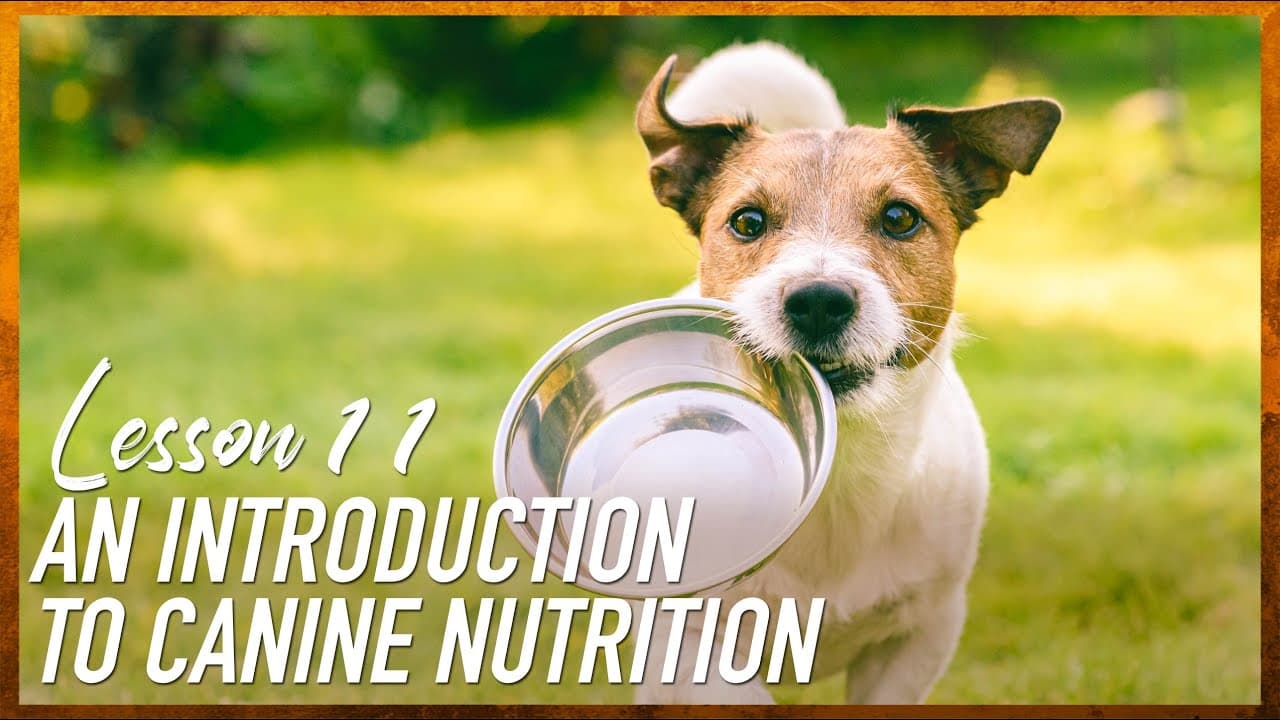
today i want to talk to you about the importance of canine nutrition why is it important to feed your pet high quality food without a doubt providing quality food for your canine family member is a definite way any pet owner can help improve their dog's longevity and quality of life something as simple as following proper nutrition guidelines can r... Read More
Key Insights
- Quality canine nutrition greatly impacts dogs' health, reducing skin conditions, infections, and improving energy and temperament.
- Dr. Karen Becker emphasizes buying pet food from companies with rigorous quality control measures to ensure safety and nutrition.
- Dogs have different nutritional needs at various life stages, requiring tailored food for puppies, adults, and seniors.
- A dog's natural diet should be high in protein and low in carbohydrates, avoiding fillers like corn and grains.
- Overfeeding is a common issue, often due to misleading feeding guidelines; using a meal calculator can help determine proper portions.
- A raw diet is recommended as it aligns with dogs' evolutionary eating habits, offering numerous health benefits.
- Homemade raw diets should be nutritionally balanced, and commercially available raw diets can be a practical alternative.
- Dental health can be maintained with a raw diet, dental treats, raw bones, regular brushing, and professional cleanings.
Install to Summarize YouTube Videos and Get Transcripts
Explore YouTube Video Summarizer or Get YouTube Transcript Extractor
Questions & Answers
Q: Why is canine nutrition important?
Canine nutrition is vital because it directly affects a dog's longevity and quality of life. A diet rich in quality nutrients can lead to fewer health issues such as skin conditions, infections, and obesity. Proper nutrition also enhances a dog's energy, temperament, and overall well-being, making it a crucial aspect of responsible pet ownership.
Q: What should be considered when choosing dog food?
When choosing dog food, it's important to consider the source and manufacturing process. Dr. Karen Becker recommends selecting food from companies with strict quality control and testing protocols. Additionally, the food should be biologically appropriate, meaning high in protein and low in fillers like corn and grains, to align with a dog's natural dietary needs.
Q: How does a dog's life stage affect its dietary needs?
A dog's dietary needs vary with its life stage. Puppies require food formulated for growth, while adult dogs need maintenance diets. Senior dogs may have specific health considerations. It's essential to provide food that caters to these varying needs to ensure proper development and health maintenance throughout a dog's life.
Q: What are the benefits of a raw diet for dogs?
A raw diet offers numerous benefits for dogs, as it closely mimics their natural evolutionary diet. Benefits include improved coat condition, reduced shedding, better dental health, more regular bowel movements, and enhanced muscle tone and fitness. Raw diets are high in protein and moisture, supporting overall health and vitality.
Q: How can overfeeding be prevented in dogs?
Overfeeding can be prevented by using a meal calculator to determine the appropriate portion sizes based on a dog's age, weight, and activity level. Monitoring the dog's weight and adjusting portions as needed is crucial. Weighing food and distributing it throughout the day can help manage intake and prevent overfeeding.
Q: What are some alternatives if a raw diet is not feasible?
If a raw diet is not feasible, commercially available balanced raw food diets are a practical alternative. These products provide the necessary nutrients without the need for home preparation. Additionally, incorporating fresh food snacks or partially raw meals can improve a dog's diet without the full commitment to a raw diet.
Q: How can a dog's dental health be maintained?
Maintaining a dog's dental health involves feeding a raw diet, providing dental treats designed to clean teeth, offering raw bones to scrape away plaque, and brushing teeth regularly. Professional non-anesthetic ultrasonic cleanings every six months can also help keep a dog's gums and teeth healthy and clean.
Q: Is it okay to feed dogs human food?
Feeding dogs natural, raw human foods in moderation is generally safe and can be beneficial. However, it's important to avoid processed foods and conduct quick checks to ensure certain ingredients are safe for dogs. Offering fresh, unprocessed foods as snacks can enhance a dog's diet and provide additional nutrients.
Summary & Key Takeaways
-
Proper canine nutrition is crucial for dogs' overall health, reducing skin issues and enhancing energy and temperament. Dr. Karen Becker advises choosing pet food from companies with strict quality control and testing practices to ensure safety and nutrition.
-
Feeding dogs according to their life stage is important, as puppies, adults, and seniors have different nutritional requirements. A natural diet for dogs should be high in protein, low in carbohydrates, and free from fillers like corn and grains.
-
Overfeeding is a common problem, exacerbated by misleading feeding guidelines. A raw diet is recommended for optimal health benefits, and homemade diets should be balanced. Dental health can be maintained with a raw diet, treats, bones, and regular cleanings.
Read in Other Languages (beta)
Share This Summary 📚
Summarize YouTube Videos and Get Video Transcripts with 1-Click
Try YouTube Summary with ChatGPT & Claude or YouTube Transcript Generator
Explore More Summaries from Nate Schoemer 📚






Summarize YouTube Videos and Get Video Transcripts with 1-Click
Try YouTube Summary with ChatGPT & Claude or YouTube Transcript Generator