Inside Amazon's Profit Machine
TL;DR
Amazon's profits rise thanks to AWS, not retail.
Transcript
let's start with Amazon yeah uh profits are on the rise and we have a chart here to show exactly how they're doing in terms of profits wait profits we're talking about profits I don't want to go alen Iverson on you but we're talking about Amazon we're talking about profits fair enough don't bury the lead I mean the fact this company the fact that t... Read More
Key Insights
- Amazon's profit increase is primarily driven by its cloud segment, Amazon Web Services (AWS), not its retail operations.
- AWS accounts for only 10% of Amazon's revenue but contributes 56% of its profits, showcasing its profitability.
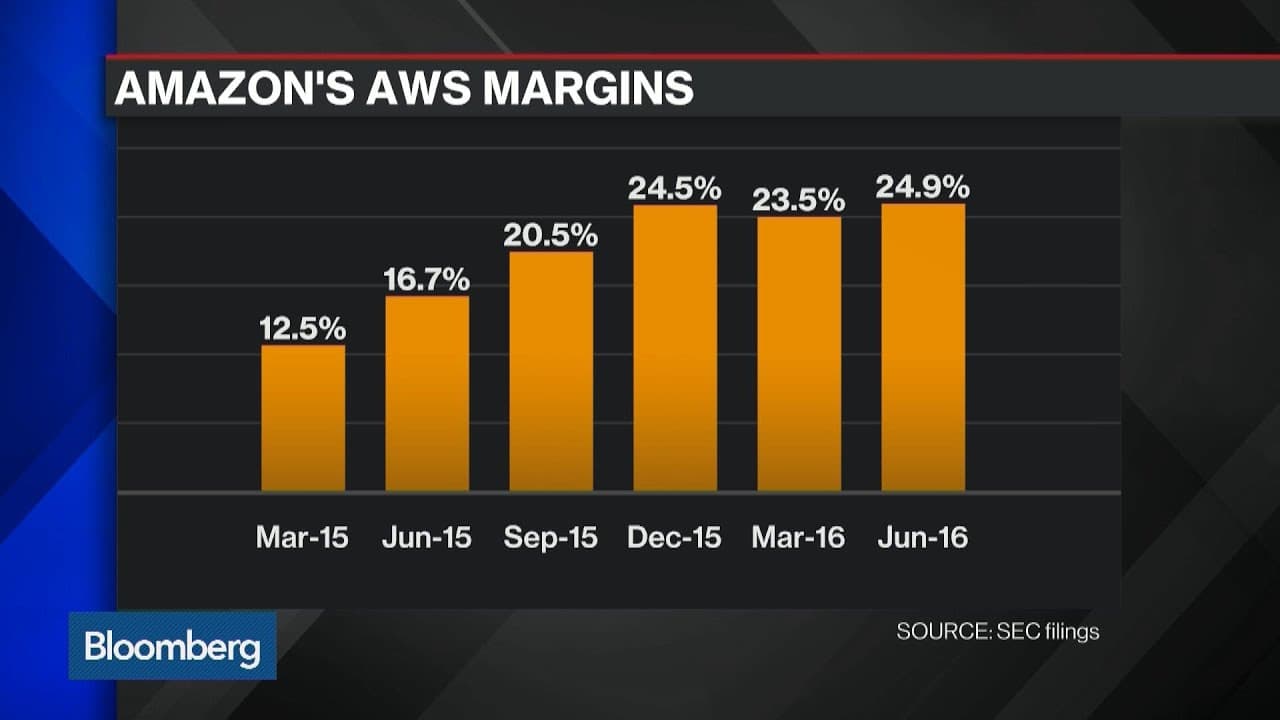
- AWS has seen its profit margins grow from 12.5% to 25% over 18 months, indicating rapid growth in its cloud services.
- Amazon's strategy of reinvesting profits into the business rather than returning to capital markets has been pivotal in its growth.
- The retail side of Amazon operates on low margins, focusing on low-cost products and quick delivery, contrasting with AWS's high profitability.
- Google's ad revenue is strong, with high click rates, but the value per click is declining due to a shift from desktop to mobile.
- Despite the lower value per click, Google's overall ad revenue remains robust due to the high volume of clicks and advertiser demand.
- The transition to mobile ads presents a challenge for Google, as mobile ad values are generally lower than desktop ads.
Install to Summarize YouTube Videos and Get Transcripts
Explore YouTube Video Summarizer or Get YouTube Transcript Extractor
Questions & Answers
Q: What is driving Amazon's recent profit increase?
Amazon's recent profit increase is primarily driven by its cloud computing segment, Amazon Web Services (AWS). AWS, while only making up 10% of Amazon's revenue, contributes a significant 56% to its overall profits. This highlights the segment's profitability compared to Amazon's retail operations.
Q: How has AWS's profitability changed over time?
AWS has seen a substantial increase in its profit margins, growing from 12.5% to 25% over the past 18 months. This rapid growth indicates the increasing importance and profitability of AWS within Amazon's overall business model, making it a key driver of the company's recent profit surge.
Q: What is the difference in profitability between Amazon's retail and AWS segments?
Amazon's retail segment operates on low margins, focusing on providing low-cost products and quick delivery, which limits its profitability. In contrast, AWS, despite being a smaller part of Amazon's business, has high profit margins and contributes significantly to the company's overall profits, driving recent profit growth.
Q: What challenges is Google facing with its advertising revenue?
Google is experiencing a decline in the value per click for its ads, primarily due to a shift from desktop to mobile advertising. Mobile ads typically have lower values compared to desktop ads. Despite this challenge, Google's advertising revenue remains strong due to high click rates and continued advertiser demand.
Q: How does the shift from desktop to mobile affect Google's ad revenue?
The shift from desktop to mobile affects Google's ad revenue by reducing the value per click, as mobile ads generally have lower values than desktop ads. However, the high volume of clicks and advertiser demand continue to drive strong overall ad revenue for Google, despite the lower per-click value.
Q: What strategy has Amazon used to grow its business without returning to capital markets?
Amazon has strategically reinvested its profits back into the business rather than returning to capital markets. This approach has allowed Amazon to expand its operations and grow its business without the need to sell more stock, focusing instead on long-term growth and profitability, particularly through AWS.
Q: Why is AWS considered important for Amazon's business model?
AWS is considered important for Amazon's business model because it provides a significant portion of the company's profits, despite being a smaller segment in terms of revenue. Its high profit margins and rapid growth make it a crucial component of Amazon's overall strategy, supporting the company's low-margin retail operations.
Q: What are the implications of Google's strong ad revenue despite declining click values?
The implications of Google's strong ad revenue, despite declining click values, are that the company can maintain robust revenue growth due to high click rates and strong advertiser demand. This demonstrates Google's ability to adapt to changes in advertising trends and continue attracting advertisers, even as the market shifts towards mobile.
Summary & Key Takeaways
-
Amazon's recent profit surge is largely attributed to Amazon Web Services (AWS), which, despite being a smaller segment, contributes significantly to the company's overall profitability. AWS's profit margins have increased substantially, highlighting its importance in Amazon's business model.
-
Amazon's retail operations focus on low-cost products and quick delivery, which limits their profitability. However, AWS's high margins and rapid growth have become the primary profit driver, allowing Amazon to sustain its low-margin retail strategy.
-
Google's advertising business remains strong, with high click rates, although the value per click is declining due to the shift from desktop to mobile. Despite this, Google's ad revenue continues to grow, driven by advertiser demand and the high volume of clicks.
Read in Other Languages (beta)
Share This Summary 📚
Summarize YouTube Videos and Get Video Transcripts with 1-Click
Try YouTube Summary with ChatGPT & Claude or YouTube Transcript Generator
Explore More Summaries from Bloomberg Originals 📚






Summarize YouTube Videos and Get Video Transcripts with 1-Click
Try YouTube Summary with ChatGPT & Claude or YouTube Transcript Generator