South Africa in WW1 I THE GREAT WAR Special feat. Extra Credits
TL;DR
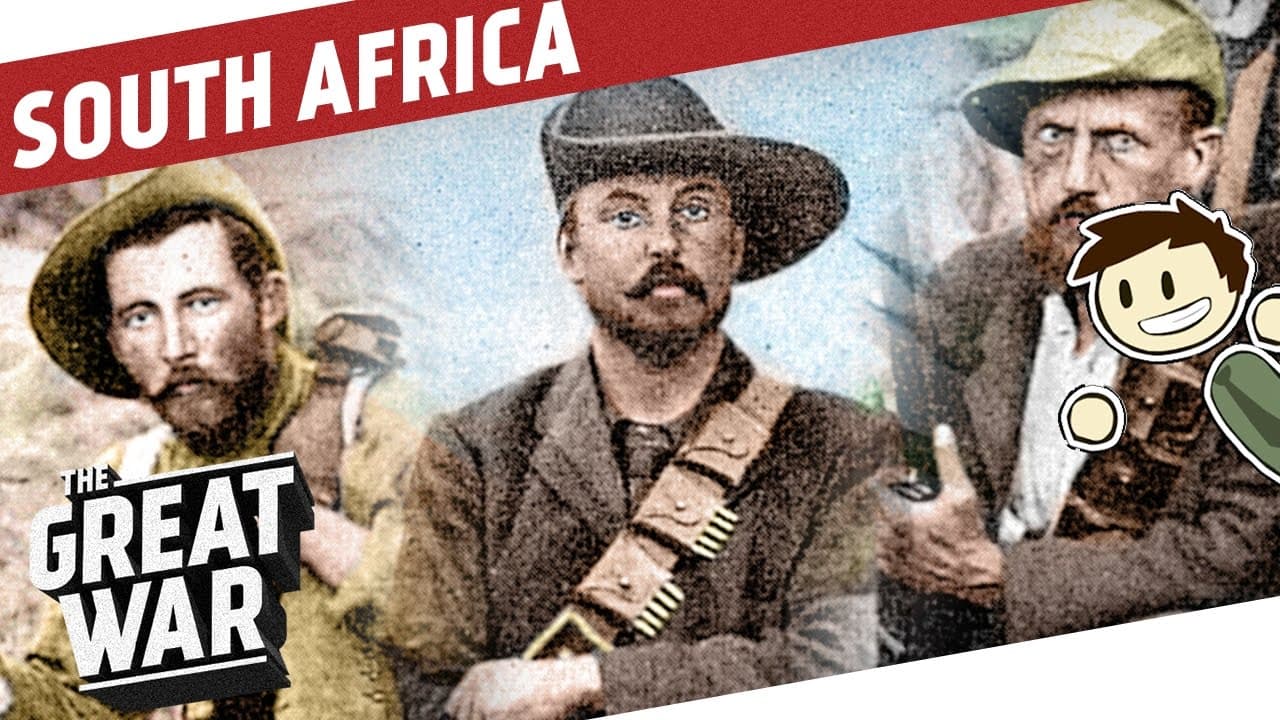
South Africa played a significant role in WWI, facing internal and external challenges.
Transcript
Every week we talk about all of the fronts of the war in Europe, but this was a world war, and there are nations and colonies involved that we don’t mention quite so often, so to help fill in some of the gaps, let’s look far far to the south. I’m Indy Neidell; welcome to a Great War special episode about South Africa in the First World War. Now, in... Read More
Key Insights
- South Africa was involved in World War I, aligning with British efforts, despite internal political and racial tensions.
- The Boer Wars were pivotal in shaping South African politics, influencing their involvement in WWI under British influence.
- South African troops were involved in major battles, including the campaign in German Southwest Africa and the Battle of Delville Wood in France.
- The Maritz Rebellion highlighted internal opposition to South Africa's participation in the war, with many Afrikaners sympathizing with Germany.
- General Paul von Lettow-Vorbeck's guerrilla warfare in German East Africa extended the war's impact in Africa, involving over 200,000 African porters.
- Racial tensions and anti-colonial sentiments led to uprisings, such as John Chilembwe's rebellion in Nyasaland.
- The campaign in East Africa became the longest of WWI, with fighting continuing even after the armistice in Europe.
- South Africa's contribution to the war effort was significant, with over 146,000 men serving in various theaters of war.
Install to Summarize YouTube Videos and Get Transcripts
Explore YouTube Video Summarizer or Get YouTube Transcript Extractor
Questions & Answers
Q: What role did South Africa play in WWI?
South Africa played a significant role in WWI by aligning with British efforts to seize German colonies in Africa. They participated in major campaigns in German Southwest Africa and the Battle of Delville Wood in France. Despite internal political and racial tensions, South African troops contributed significantly to the war effort.
Q: How did the Boer Wars influence South Africa's involvement in WWI?
The Boer Wars were pivotal in shaping South African politics, leading to its involvement in WWI under British influence. The wars highlighted the struggle for power in the region and the tensions between Afrikaners and the British, which persisted during WWI, influencing South Africa's military and political strategies.
Q: What was the Maritz Rebellion?
The Maritz Rebellion was an internal conflict in South Africa during WWI, where many Afrikaners opposed going to war with Germany, as Germany had supported them during the Boer Wars. The rebellion lasted from September 1914 to early 1915 and was eventually suppressed by forces loyal to the South African government.
Q: Who was General Paul von Lettow-Vorbeck?
General Paul von Lettow-Vorbeck was a brilliant German military leader known for his guerrilla warfare tactics in German East Africa during WWI. He successfully engaged Allied forces, drawing more local areas into the conflict and prolonging the war's impact in Africa, even after the armistice was signed in Europe.
Q: What were the key battles involving South African troops in WWI?
Key battles involving South African troops in WWI included the campaign in German Southwest Africa and the Battle of Delville Wood in France. These battles showcased the significant contribution of South African forces to the war effort, despite the challenges posed by internal political and racial tensions.
Q: What was John Chilembwe's rebellion?
John Chilembwe's rebellion was an uprising in Nyasaland (now Malawi) in early 1915, led by the American-trained missionary John Chilembwe. It was both religious and anti-colonial, fueled by the outbreak of WWI and the German invasion of Nyasaland. Although the rebellion was suppressed, it highlighted the growing anti-colonial sentiments in the region.
Q: How did racial tensions affect South Africa during WWI?
Racial tensions in South Africa during WWI were significant, with Afrikaners and native African populations expressing discontent over colonial rule and military involvement. These tensions led to uprisings and political movements, such as the Maritz Rebellion and John Chilembwe's uprising, highlighting the complex social dynamics within the country.
Q: What was the significance of the Battle of Delville Wood?
The Battle of Delville Wood was a significant engagement for South African troops during WWI, part of the larger Battle of the Somme in 1916. South African forces were ordered to hold the wood at all costs, facing fierce German counterattacks. Despite heavy casualties, they successfully held their position, demonstrating their resilience and commitment to the war effort.
Summary & Key Takeaways
-
South Africa played a crucial role in WWI, aligning with British efforts to seize German colonies in Africa. Despite internal political and racial tensions, South African troops fought in both African and European theaters, notably in German Southwest Africa and the Battle of Delville Wood.
-
The Boer Wars significantly influenced South Africa's political landscape, leading to its participation in WWI under British influence. The Maritz Rebellion highlighted internal opposition, as many Afrikaners sympathized with Germany due to their support during the Boer Wars.
-
General Paul von Lettow-Vorbeck's guerrilla warfare in German East Africa extended the war's impact, involving over 200,000 African porters. South Africa's contribution to the war effort was substantial, with over 146,000 men serving in various theaters, despite racial tensions and anti-colonial uprisings.
Read in Other Languages (beta)
Share This Summary 📚
Summarize YouTube Videos and Get Video Transcripts with 1-Click
Try YouTube Summary with ChatGPT & Claude or YouTube Transcript Generator
Explore More Summaries from The Great War 📚
Summarize YouTube Videos and Get Video Transcripts with 1-Click
Try YouTube Summary with ChatGPT & Claude or YouTube Transcript Generator