A Fate Worse Than Death - Disfigured Veterans of World War 1 I THE GREAT WAR Special
TL;DR
WWI spurred advancements in plastic surgery for disfigured veterans.
Transcript
It’s something we take for granted today, reconstructive surgery. People rebuild, augment, or reduce parts of their bodies by the millions. 100 years ago, though, it was in its infancy, and indeed it was the First World War that saw the rapid development of modern plastic surgery. I’m Indy Neidell; welcome to a Great War special episode about plast... Read More
Key Insights
- Reconstructive surgery during WWI was crucial in addressing severe facial injuries caused by modern warfare, leading to significant advancements in medical techniques.
- Dr. Harold Gillies pioneered modern plastic surgery, performing thousands of operations on soldiers with facial injuries, significantly impacting the field's development.
- The tube pedicle method, invented by Gillies, was a revolutionary technique that involved moving living tissue to reconstruct facial features.
- Specialist hospitals, like the one in Sidcup, were established to focus on plastic surgery, providing a dedicated space for innovation and patient care.
- Despite surgical advancements, many veterans faced social isolation and psychological trauma due to their disfigurement, highlighting the war's lasting impact on individuals.
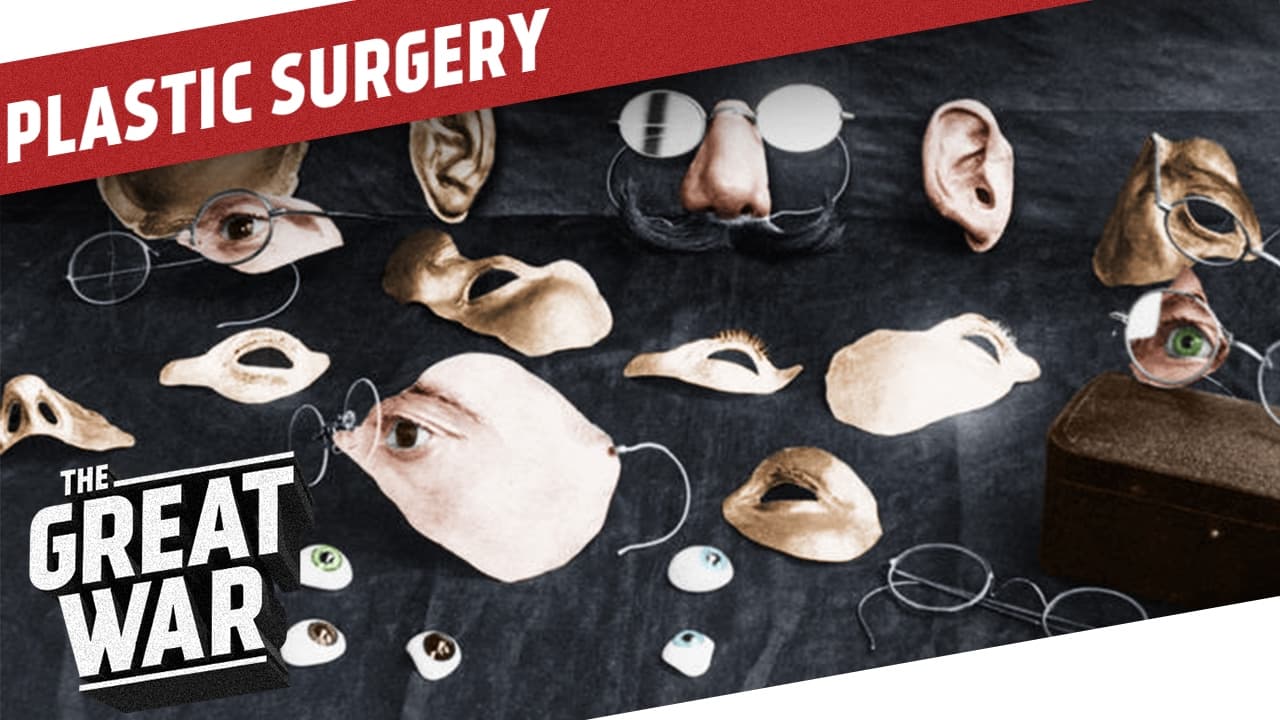
- Masks made from materials like copper or tin were used to help soldiers reintegrate into society, though they often obscured facial expressions.
- Artists and sculptors played a vital role in creating realistic masks and prosthetics, using prewar portraits to guide their designs.
- The story of Lieutenant William Spreckley exemplifies the potential for successful facial reconstruction, though many veterans still faced lifelong challenges.
Install to Summarize YouTube Videos and Get Transcripts
Explore YouTube Video Summarizer or Get YouTube Transcript Extractor
Questions & Answers
Q: What role did Dr. Harold Gillies play in the development of plastic surgery during WWI?
Dr. Harold Gillies was a pioneering figure in the development of modern plastic surgery during World War I. He established a specialist hospital in London, where he and his team performed thousands of surgeries on soldiers with facial injuries. Gillies introduced innovative techniques such as the tube pedicle, which involved moving living tissue to reconstruct facial features. His work laid the foundation for future advancements in reconstructive surgery.
Q: How did the tube pedicle method work in reconstructive surgery?
The tube pedicle method, developed by Dr. Harold Gillies, was a groundbreaking technique in reconstructive surgery during WWI. It involved forming human tissue into tubes in areas like the shoulder and gradually moving them closer to the face. The tissue remained connected to the body's bloodstream, allowing it to grow and eventually be used to reconstruct facial features. This method significantly improved the outcomes of facial reconstruction surgeries.
Q: What challenges did disfigured veterans face after returning from WWI?
Disfigured veterans returning from WWI faced numerous challenges, including social isolation and psychological trauma. Many struggled with their altered appearances, which affected their identities, self-esteem, and ability to reintegrate into society. They often encountered difficulties in finding employment and maintaining personal relationships. The stigma associated with facial disfigurement led to issues such as depression, alcoholism, and in some cases, suicide.
Q: How did artists contribute to the rehabilitation of disfigured soldiers?
Artists played a crucial role in the rehabilitation of disfigured soldiers by creating realistic masks and prosthetics. Using materials like copper or tin, they crafted masks that helped conceal facial injuries and allowed veterans to interact more comfortably in society. These artists used prewar portraits to guide their designs, ensuring the masks closely resembled the soldiers' original appearances. This artistic contribution provided psychological relief and aided in social reintegration.
Q: What was the significance of the Sidcup hospital during WWI?
The Sidcup hospital, established by Dr. Harold Gillies, was significant during WWI as a dedicated facility for plastic surgery and facial reconstruction. It provided a space for medical innovation and allowed Gillies and his team to focus on developing new techniques to treat severe facial injuries. The hospital also offered a supportive environment for disfigured soldiers, helping them cope with their injuries and facilitating their recovery and reintegration into society.
Q: Why were masks used for some disfigured soldiers, and how effective were they?
Masks were used for disfigured soldiers who did not achieve successful surgical outcomes. Made from materials like copper or tin, these masks helped conceal facial injuries and allowed veterans to reintegrate into society with less stigma. While effective in providing psychological relief and improving social interactions, the masks often obscured facial expressions, limiting communication. Despite this, many soldiers expressed gratitude for the masks, as they offered a sense of normalcy.
Q: What impact did WWI have on the field of plastic surgery?
WWI had a profound impact on the field of plastic surgery, accelerating its development and leading to significant advancements in reconstructive techniques. The war's unprecedented level of facial injuries necessitated innovative solutions, resulting in new methods like the tube pedicle. Surgeons like Dr. Harold Gillies played a pivotal role in pioneering these techniques, which laid the groundwork for modern plastic surgery and improved the quality of life for countless individuals with disfigurements.
Q: How did societal perceptions of disfigured veterans affect their post-war lives?
Societal perceptions of disfigured veterans significantly affected their post-war lives, often leading to social isolation and psychological distress. Many people reacted with fear or revulsion to their appearances, making it difficult for veterans to find employment or maintain personal relationships. This stigma contributed to issues like depression and alcoholism. Despite advancements in reconstructive surgery, the societal challenges faced by these veterans underscored the enduring human cost of war.
Summary & Key Takeaways
-
World War I significantly advanced plastic surgery, with Dr. Harold Gillies leading efforts to treat facial injuries. His innovative techniques, such as the tube pedicle, helped restore normalcy to disfigured soldiers, though many faced ongoing social and psychological challenges.
-
Specialist hospitals were established to focus on reconstructive surgery, with artists aiding in mask creation for those with less successful outcomes. Despite medical progress, the war's impact on veterans' identities and lives was profound and enduring.
-
The development of plastic surgery during WWI laid the groundwork for modern techniques, offering hope to disfigured veterans. However, the social stigma and personal struggles they faced underscored the war's lasting human cost.
Read in Other Languages (beta)
Share This Summary 📚
Summarize YouTube Videos and Get Video Transcripts with 1-Click
Try YouTube Summary with ChatGPT & Claude or YouTube Transcript Generator
Explore More Summaries from The Great War 📚



Summarize YouTube Videos and Get Video Transcripts with 1-Click
Try YouTube Summary with ChatGPT & Claude or YouTube Transcript Generator