Why Did France March Into Germany in 1921?
TL;DR
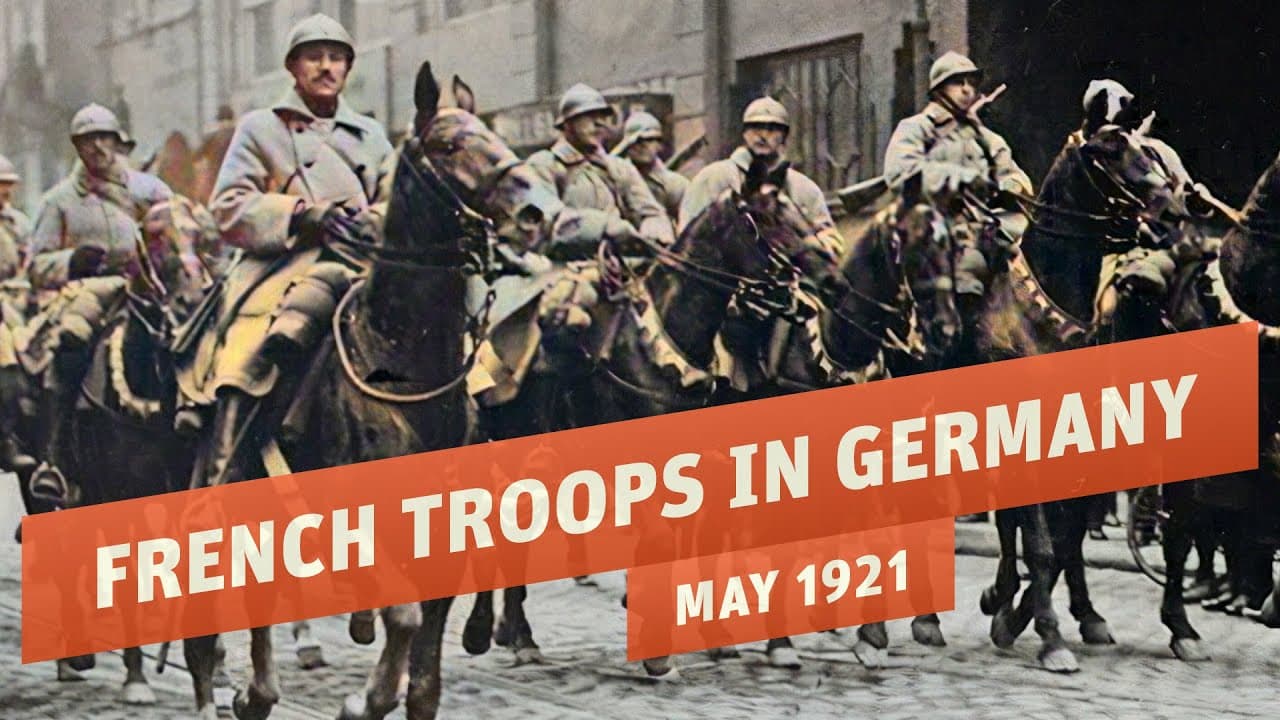
In 1921, France, struggling with post-war economic devastation, marched into Germany to enforce reparations payments. The Treaty of Versailles had left the amount of reparations vague, leading to conflicts with Germany, Britain, and the USA. France's actions reflected its desperate need for reparations to rebuild and its fears of a resurgent Germany.
Transcript
hi I'm Jesse Alexander and welcome to the Great War more than two years had passed since the November 1918 Armistice had brought an end to the fighting on French soil but in 1921 France was a great power facing some enormous difficulties it had been severely weakened by the war and was not strong enough to impose its will on the peace this meant co... Read More
Key Insights
- France was severely weakened by World War I, both economically and demographically.
- The Treaty of Versailles imposed reparations on Germany but did not specify the amount, leading to disputes.
- France sought reparations to rebuild and repay debts to Britain and the USA.
- The British and Americans often opposed French demands, complicating post-war negotiations.
- In early 1921, France occupied German cities to pressure Germany into paying reparations.
- The occupation led to protests in Germany and strained Franco-British relations.
- Germany's initial strategy was to resist reparations, hoping for British and American intervention.
- Ultimately, Germany accepted a reparations schedule but remained deeply resentful, fueling future conflicts.
Install to Summarize YouTube Videos and Get Transcripts
Explore YouTube Video Summarizer or Get YouTube Transcript Extractor
Questions & Answers
Q: Why did France march into Germany in 1921?
France marched into Germany in 1921 to enforce reparations payments as stipulated by the Treaty of Versailles. The French government was desperate to rebuild its war-ravaged country and repay debts to Britain and the USA. The occupation was a response to Germany's resistance to the reparations terms, which were not clearly defined in the treaty.
Q: What were the key challenges France faced post-WWI?
Post-WWI, France faced significant challenges, including severe economic devastation, massive war debt, and demographic losses. The country had to deal with the aftermath of 1.4 million military deaths, numerous civilian casualties, and the destruction of its industrial regions. These challenges drove France to enforce reparations from Germany to aid in its recovery.
Q: How did the Treaty of Versailles affect France's actions in 1921?
The Treaty of Versailles imposed reparations on Germany but failed to specify the amount, leading to ongoing disputes. France, feeling insecure and economically devastated, sought to enforce reparations to rebuild. The lack of specificity in the treaty led to tensions with Germany and disagreements with allies like Britain and the USA, influencing France's decision to occupy German cities.
Q: What was the reaction in Germany to the French occupation?
The French occupation of German cities in 1921 led to protests and a national crisis in Germany. Many Germans were outraged by the addition of interest payments to the reparations, which they felt would burden future generations. The occupation fueled resentment against the Allies and contributed to political instability, including revolutionary attempts by communist groups.
Q: How did the British and Americans view French actions in 1921?
The British and Americans often opposed French demands for reparations and military actions in Germany. They were concerned about the economic impact of excessive reparations on Germany and the stability of Europe. British economist John Maynard Keynes criticized the reparations as unsustainable, highlighting the financial strain on both Germany and the Allies.
Q: What was Germany's initial strategy regarding reparations?
Initially, Germany adopted a strategy of 'catastrophe politics,' aiming to resist reparations in hopes that Britain and the USA would eventually moderate French demands. This approach involved giving as little ground as possible and relying on inter-Allied disagreements to ease the reparations burden. However, this strategy led to increased tensions and further occupation by French forces.
Q: How did the reparations issue affect Franco-British relations?
The reparations issue strained Franco-British relations, as Britain often disagreed with France's aggressive stance on enforcing reparations. Britain felt more secure after the German fleet was neutralized and was less supportive of French military actions in Germany. These disagreements over reparations and other geopolitical issues led to frequent clashes between the two allies.
Q: What were the long-term implications of the reparations conflict?
The reparations conflict had long-term implications, including fueling German resentment and contributing to the rise of nationalist sentiments. The occupation and reparations demands intensified the 'stab-in-the-back' myth in Germany, which blamed internal betrayal for the country's defeat. This myth and the economic strain of reparations would later be exploited by extremist groups, contributing to the instability that led to World War II.
Summary & Key Takeaways
-
In 1921, France, weakened by World War I, marched into Germany to enforce reparations payments. The Treaty of Versailles had failed to specify the reparation amounts, leading to disputes with Germany and its allies. France's actions reflected its desperation to rebuild and its fear of German resurgence.
-
The French occupation of German cities was a strategy to exert pressure on Germany to pay reparations. This move led to protests in Germany and strained relations with Britain, as the British and Americans often disagreed with French demands.
-
Germany initially resisted reparations, hoping for British and American intervention. However, under pressure, Germany accepted a reparations schedule, though the resentment and economic strain would contribute to future conflicts.
Read in Other Languages (beta)
Share This Summary 📚
Summarize YouTube Videos and Get Video Transcripts with 1-Click
Try YouTube Summary with ChatGPT & Claude or YouTube Transcript Generator
Explore More Summaries from The Great War 📚
Summarize YouTube Videos and Get Video Transcripts with 1-Click
Try YouTube Summary with ChatGPT & Claude or YouTube Transcript Generator