This Eyeball Orb Wants to Save Us From AI | Hello World with Ashlee Vance
TL;DR
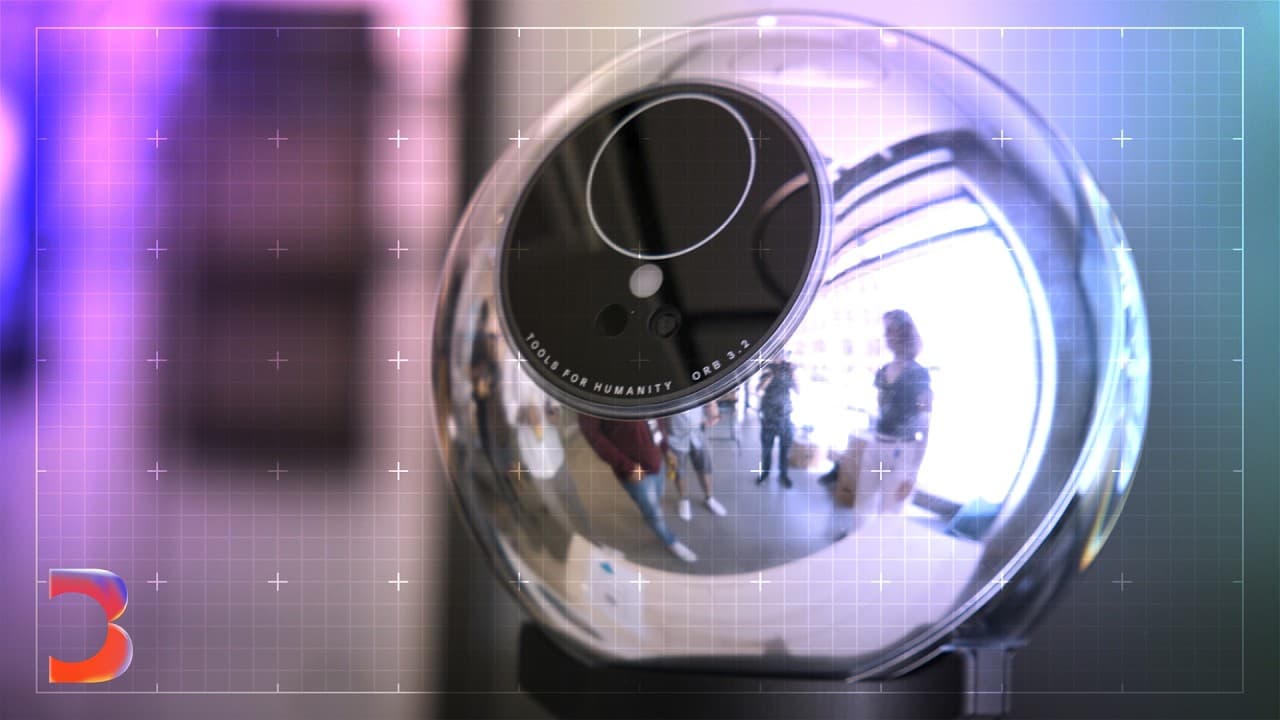
Worldcoin uses iris-scanning orbs for identity verification and crypto rewards.
Transcript
Our story begins in the future. It could be any town, planet Earth. But let's just say we're in Nuremberg, Germany. Because it's extra pretty. Now imagine that AI is so good, so sophisticated that it becomes nearly impossible to tell the difference between man and machine, human and bot. What is real and what is the other. If you're like me, at thi... Read More
Key Insights
- Worldcoin's Orb aims to differentiate humans from AI using iris scans, promising a future of secure identity verification.
- The project is backed by $250 million from investors, including OpenAI CEO Sam Altman, emphasizing its significance in the tech world.
- Critics express concerns over biometric data collection, especially in developing countries, questioning the ethics of such practices.
- The Orb uses advanced technology, including neural networks and iris codes, to ensure accurate human identification.
- Worldcoin's goal is to create a decentralized identity protocol, similar to Ethereum, reducing reliance on a single company.
- The Orb's design and manufacturing take place in Jena, Germany, a hub for optical technology, ensuring high-quality production.
- Despite controversy, Worldcoin has registered over 6 million identities, showing significant global interest and adoption.
- Regulatory challenges in Europe highlight the ongoing debate about privacy and data security in biometric systems.
Install to Summarize YouTube Videos and Get Transcripts
Explore YouTube Video Summarizer or Get YouTube Transcript Extractor
Questions & Answers
Q: What is the primary purpose of Worldcoin's Orb?
Worldcoin's Orb aims to verify human identity through iris scans, distinguishing real individuals from AI. This technology addresses concerns about AI impersonation and fraud, offering a secure method for identity verification. Participants receive cryptocurrency rewards, incentivizing global adoption of this innovative identification system.
Q: Who are the main backers of the Worldcoin project?
The Worldcoin project is notably supported by Sam Altman, the CEO of OpenAI, alongside other investors who have collectively contributed $250 million. This substantial backing underscores the project's potential impact on identity verification and its significance in the broader technological landscape.
Q: What are the ethical concerns surrounding the Orb?
Critics of the Orb raise ethical issues regarding the collection of biometric data, particularly in developing countries. Concerns focus on potential exploitation, privacy violations, and the implications of storing sensitive information. The debate highlights the need for transparency and robust data protection measures in biometric systems.
Q: How does the Orb ensure accurate human identification?
The Orb utilizes advanced technology, including seven to nine neural networks, to process sensor inputs and verify human identity. It captures high-resolution images of irises, generating unique iris codes for each individual. This method ensures precise identification, even among billions of people, by leveraging the high entropy of iris patterns.
Q: Where is the Orb manufactured, and why?
The Orb is manufactured in Jena, Germany, a city with a rich history in optical technology. This location was chosen due to its concentration of talent and expertise in micromechanics and optics, ensuring the production of high-quality devices. Jena's industrial heritage provides a strong foundation for the Orb's development.
Q: What challenges has Worldcoin faced in Europe?
Worldcoin has encountered regulatory challenges in Europe, with countries like Spain and Portugal temporarily suspending the service due to privacy concerns. These challenges highlight the ongoing debate about data security and the ethical implications of biometric systems, prompting Worldcoin to engage with regulators for compliance.
Q: How does Worldcoin plan to decentralize its identity protocol?
Worldcoin aims to establish a decentralized identity protocol, similar to Ethereum, to reduce reliance on a single company. This approach involves creating an open-source framework where multiple entities can build on the protocol, fostering innovation and ensuring that no single organization controls user identities, enhancing trust and security.
Q: What is the public perception of the Orb's design?
The Orb's design, characterized by its dramatic and futuristic appearance, has received mixed reactions. While some appreciate its distinctive look, others find it intimidating. The design choice was driven by the need to create a memorable and impactful device, though it has sparked debate about its accessibility and user-friendliness.
Summary & Key Takeaways
-
Worldcoin's Orb is an innovative device designed to verify human identity through iris scans, aiming to prevent AI impersonation. Supported by notable investors, it offers cryptocurrency rewards for participation, but faces ethical scrutiny over biometric data collection, particularly in poorer regions.
-
The Orb integrates cutting-edge technology, including neural networks and iris codes, to ensure accurate identification. Manufactured in Jena, Germany, a city renowned for optical expertise, the device promises high-quality performance, though its dramatic design has sparked mixed reactions.
-
Despite registering over 6 million users, Worldcoin faces regulatory hurdles in Europe due to privacy concerns. The project aspires to establish a decentralized identity protocol, akin to Ethereum, to mitigate reliance on a single entity, but skepticism persists regarding its potential societal impact.
Read in Other Languages (beta)
Share This Summary 📚
Summarize YouTube Videos and Get Video Transcripts with 1-Click
Try YouTube Summary with ChatGPT & Claude or YouTube Transcript Generator
Explore More Summaries from Bloomberg Originals 📚





Summarize YouTube Videos and Get Video Transcripts with 1-Click
Try YouTube Summary with ChatGPT & Claude or YouTube Transcript Generator