Will Trump's Deportation Policy Drive Up Farm Wages?
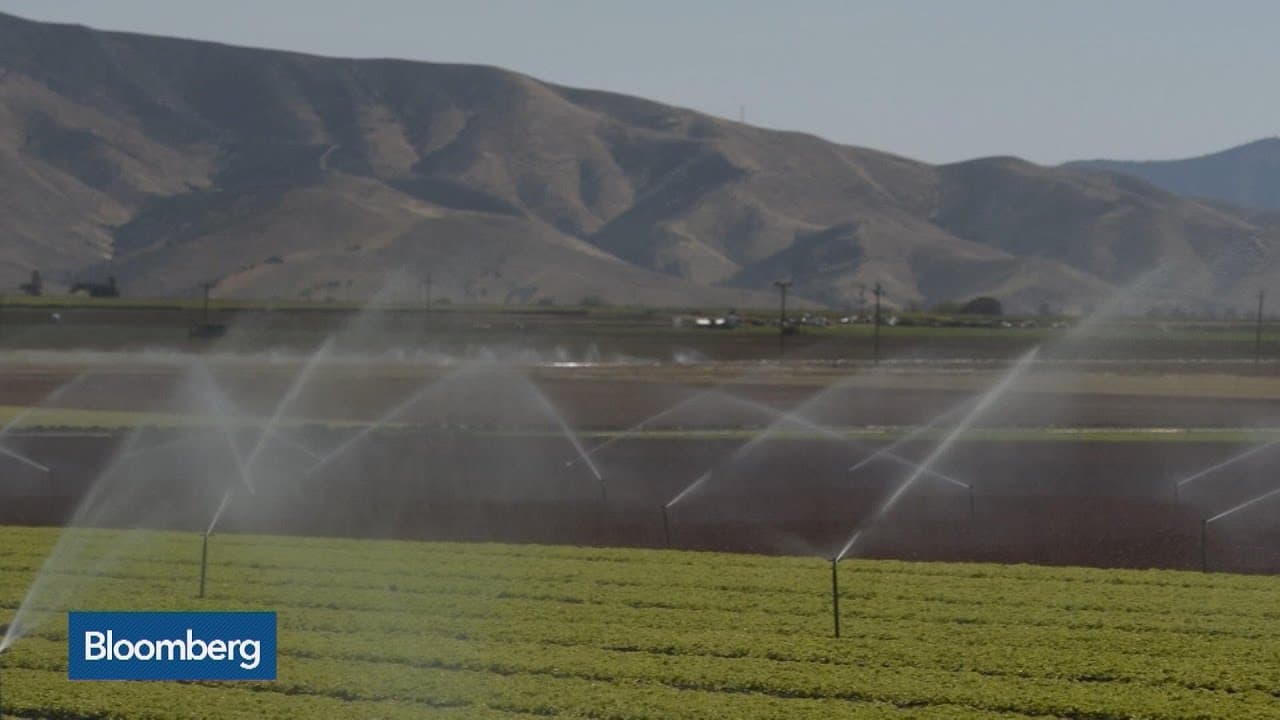
TL;DR
Trump's immigration policy may increase farm wages and affect food prices.
Transcript
what did you find about what the potential effects of the new immigration policies are on Farm labor well as you had said David we've already seen increases in farm worker wages that have outstripped the general population this is because of a tighter attitude on immigration that you actually saw during the Obama Administration which was stepping u... Read More
Key Insights
- Farm worker wages have been rising faster than the general population due to stricter immigration policies initiated during the Obama Administration.
- Trump's proposed immigration policies could accelerate deportations, potentially leading to further increases in farm worker wages.
- A USDA study suggested that removing half of the undocumented workforce could increase agricultural wages by 40% over 15 years.
- Higher wages may result in increased food prices and a shift of agricultural competition overseas, increasing U.S. reliance on imported food.
- Approximately 25% of the farm workforce lacks valid immigration papers, with some estimates as high as 70%.
- Mechanized agriculture is less affected, but sectors like fresh fruits and vegetables in California and Florida rely heavily on immigrant labor.
- The H-2A visa program for guest workers has grown in popularity but faces bureaucratic challenges and may not curb wage inflation.
- Without a legal workforce replacement, deportations could lead to higher food prices and reduced U.S. food production, affecting related industries.
Install to Summarize YouTube Videos and Get Transcripts
Explore YouTube Video Summarizer or Get YouTube Transcript Extractor
Questions & Answers
Q: What has been the trend in farm worker wages due to immigration policies?
Farm worker wages have been increasing at a rate faster than the general population due to tighter immigration policies. This trend began during the Obama Administration, which stepped up deportations, and is expected to continue or accelerate under Trump's proposed immigration policies.
Q: What could be the impact of Trump's immigration policies on farm wages?
Trump's immigration policies, which may involve faster deportations, could lead to even higher increases in farm worker wages. This is because a reduced workforce would create a demand for labor, driving wages up as farms seek to fill positions left vacant by deported workers.
Q: How might food prices be affected by changes in immigration policies?
Changes in immigration policies, particularly those that reduce the number of undocumented workers in agriculture, could lead to higher food prices. This would be due to increased labor costs as wages rise, and potentially reduced domestic food production, leading to greater reliance on imports.
Q: What proportion of the farm workforce lacks valid immigration papers?
Approximately 25% of the farm workforce lacks valid immigration papers, though some estimates suggest this figure could be as high as 70%. This substantial portion of the workforce is crucial for sectors that rely heavily on manual labor, such as those producing fresh fruits and vegetables.
Q: Which agricultural sectors are most reliant on immigrant labor?
Sectors producing fresh fruits and vegetables, particularly in states like California and Florida, are most reliant on immigrant labor. These areas require significant manual labor for harvesting, which is less mechanized compared to other agricultural sectors like corn or soybeans.
Q: What is the H-2A visa program and its role in agriculture?
The H-2A visa program allows foreign workers to legally enter the U.S. for up to six months to work in agriculture. It has grown in popularity as illegal immigration is curtailed, but faces challenges such as bureaucratic delays and rules that are unpopular with farmers.
Q: What are the potential consequences of deporting a large portion of the farm workforce?
Deporting a large portion of the farm workforce without a legal replacement could lead to higher food prices, reduced U.S. food production, and increased reliance on imports. It would also affect related industries, potentially leading to fewer jobs in sectors dependent on agriculture.
Q: How could the U.S. address the labor shortage in agriculture without increasing deportations?
The U.S. could address the labor shortage by expanding and improving the H-2A visa program, ensuring a legal workforce is available to fill positions. This would involve reducing bureaucratic delays and making the program more attractive to both workers and farmers, potentially stabilizing wages and food prices.
Summary & Key Takeaways
-
Farm wages have been increasing due to tighter immigration policies, with Trump's proposals potentially accelerating this trend. A USDA study indicates that deporting half of the undocumented workforce could lead to a 40% wage increase, affecting food prices and shifting competition overseas.
-
A significant portion of the farm workforce lacks valid immigration papers, with estimates ranging from 25% to 70%. Sectors like fresh fruits and vegetables in states such as California and Florida are particularly reliant on immigrant labor and would be most affected by increased deportations.
-
The H-2A visa program for guest workers is a potential solution but faces bureaucratic delays and other challenges. Without an effective replacement for undocumented workers, increased deportations could lead to higher food prices and reduced U.S. food production, impacting related industries.
Read in Other Languages (beta)
Share This Summary 📚
Summarize YouTube Videos and Get Video Transcripts with 1-Click
Try YouTube Summary with ChatGPT & Claude or YouTube Transcript Generator
Explore More Summaries from Bloomberg Originals 📚




Summarize YouTube Videos and Get Video Transcripts with 1-Click
Try YouTube Summary with ChatGPT & Claude or YouTube Transcript Generator