Blake Lively v. Justin Baldoni (It Ends With Us)
TL;DR
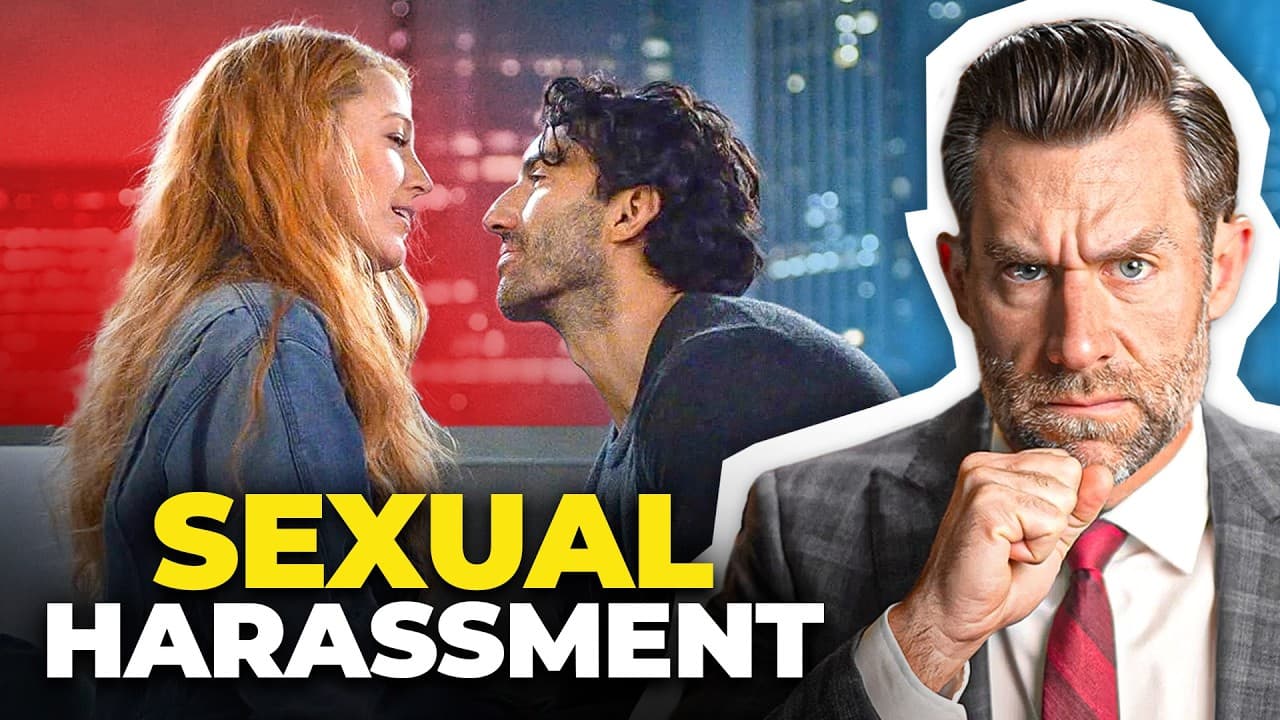
Blake Lively sues Justin Baldoni for harassment; Baldoni countersues.
Transcript
- "It Ends With Us," in court. Blake Lively is suing her co-star and director Justin Baldoni, accusing him of sexual harassment on the set of the smash hit, "It Ends With Us," and orchestrating a retaliatory smear campaign to tarnish her reputation. In response to Lively's lawsuit, Baldoni filed a $250 million slap lawsuit against "The New York Tim... Read More
Key Insights
- Blake Lively has filed a lawsuit against Justin Baldoni, alleging sexual harassment and a retaliatory smear campaign during the production of 'It Ends With Us.'
- Baldoni countersued 'The New York Times' for $250 million, claiming the publication of Lively's allegations was defamatory and part of a smear campaign against him.
- Lively's lawsuit details instances of unwanted physical intimacy and inappropriate comments by Baldoni, including improvised intimate scenes and discussions about pornography.
- The lawsuit highlights the lack of industry-standard protections during filming, such as the absence of an intimacy coordinator and inadequate measures during nude scenes.
- Baldoni's lawsuit against 'The New York Times' argues that the publication failed to fact-check and misrepresented his interactions with Lively.
- The legal battle has divided fans into Team Lively and Team Baldoni, with the media framing it as a he-said-she-said situation.
- The lawsuits bring attention to the broader issues of sexual harassment and retaliation in the film industry, particularly in productions with sexually charged content.
- The case underscores the importance of having proper workplace protections and the role of public relations in shaping narratives during legal disputes.
Install to Summarize YouTube Videos and Get Transcripts
Explore YouTube Video Summarizer or Get YouTube Transcript Extractor
Questions & Answers
Q: What are the main allegations made by Blake Lively against Justin Baldoni?
Blake Lively alleges that Justin Baldoni engaged in sexual harassment during the filming of 'It Ends With Us,' including improvised physical intimacy without consent, inappropriate comments about her body, and discussions about his pornography addiction. She also claims that Baldoni orchestrated a smear campaign against her after she complained about the hostile work environment.
Q: How has Justin Baldoni responded to Blake Lively's allegations?
Justin Baldoni has responded to Blake Lively's allegations by filing a $250 million lawsuit against 'The New York Times,' claiming that the publication of Lively's accusations was false and part of a smear campaign against him. He argues that the interactions were consensual or mischaracterized and that the newspaper failed to perform basic fact-checking.
Q: What are some of the specific incidents mentioned in Lively's lawsuit?
Lively's lawsuit mentions several specific incidents, including Baldoni improvising intimate scenes without her consent, making inappropriate comments about her body, and insisting on filming a birthing scene with her mostly nude. She also alleges that Baldoni and his production company failed to provide standard industry protections during filming.
Q: What is the significance of the lawsuit against 'The New York Times'?
The lawsuit against 'The New York Times' is significant because it highlights the role of media in shaping public perception during legal disputes. Baldoni claims that the newspaper's publication of Lively's allegations was defamatory and part of a smear campaign against him, raising questions about the responsibilities of media outlets in reporting on such cases.
Q: How has the legal battle affected public perception of the parties involved?
The legal battle has polarized public perception, with fans dividing into Team Lively and Team Baldoni. The media has framed the case as a he-said-she-said situation, contributing to the public's interest in the details of the allegations and counterclaims. The case has also drawn attention to broader issues of sexual harassment in the film industry.
Q: What are the broader implications of this legal dispute for the film industry?
The legal dispute has broader implications for the film industry by highlighting the importance of having proper workplace protections, such as intimacy coordinators, during the production of films with sexually charged content. It also underscores the role of public relations and media in shaping narratives during legal disputes, influencing public perception and industry practices.
Q: What measures did Lively request to ensure a safe filming environment?
Lively requested several measures to ensure a safe filming environment, including the hiring of an intimacy coordinator, no spontaneous improvising of intimate scenes, closed sets during filming of such scenes, and restrictions on discussions of personal sexual experiences. These measures aimed to address the lack of industry-standard protections during the production.
Q: What legal actions did Lively take before filing her lawsuit in court?
Before filing her lawsuit in court, Lively filed an initial complaint with the California Department of Fair Employment and Housing. This process, known as exhausting administrative remedies, involves the agency investigating the complaint and attempting to resolve it through mediation or other means. If unresolved within 180 days, a right to sue letter is issued, allowing the claimant to file a legal complaint in court.
Summary & Key Takeaways
-
Blake Lively has filed a lawsuit against her co-star Justin Baldoni, accusing him of sexual harassment and orchestrating a smear campaign during the production of 'It Ends With Us.' The allegations include unwanted physical intimacy and inappropriate comments, leading to a hostile work environment.
-
In response, Baldoni has filed a $250 million lawsuit against 'The New York Times,' claiming that the publication of Lively's accusations was defamatory and part of a smear campaign against him. The legal battle has polarized fans and highlighted issues of sexual harassment in the film industry.
-
The lawsuits have brought attention to the lack of industry-standard protections during filming, such as the absence of an intimacy coordinator. The case underscores the importance of having proper workplace protections and the role of public relations in shaping narratives during legal disputes.
Read in Other Languages (beta)
Share This Summary 📚
Summarize YouTube Videos and Get Video Transcripts with 1-Click
Try YouTube Summary with ChatGPT & Claude or YouTube Transcript Generator
Explore More Summaries from LegalEagle 📚





Summarize YouTube Videos and Get Video Transcripts with 1-Click
Try YouTube Summary with ChatGPT & Claude or YouTube Transcript Generator