How to Reverse Aging: Scientific Breakthroughs
TL;DR
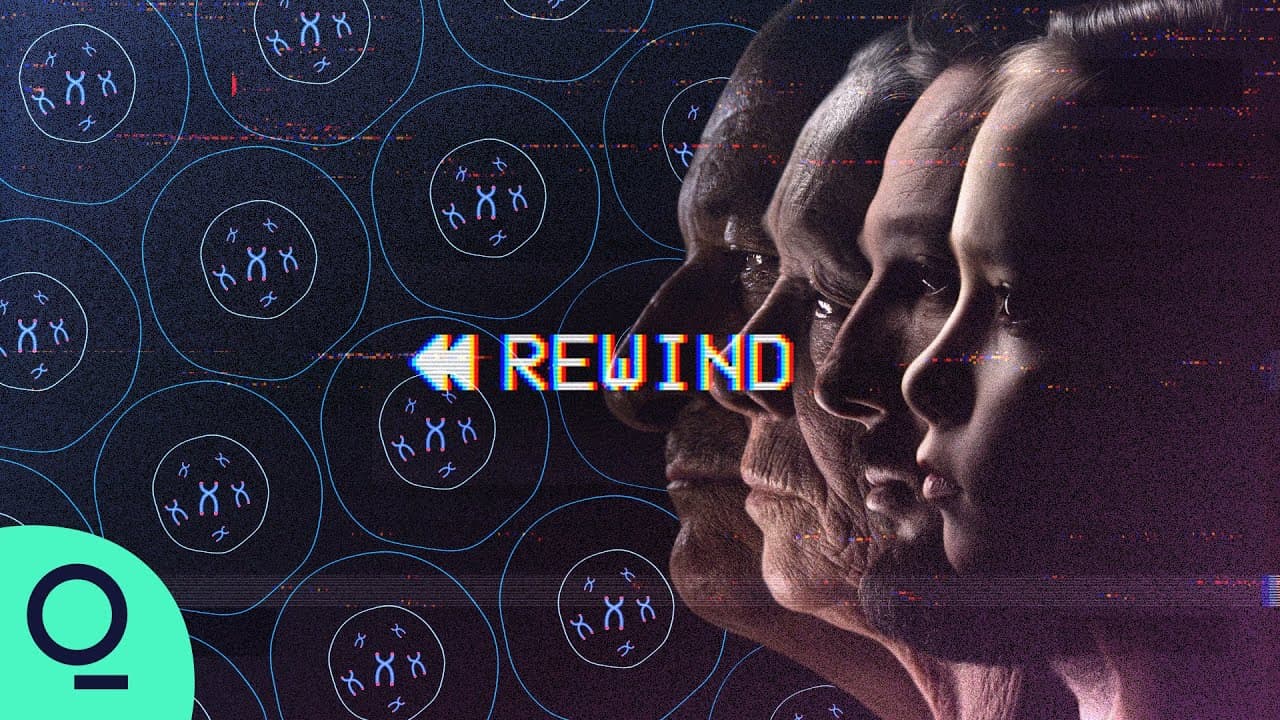
Scientists are exploring methods to reverse aging by targeting its biological causes. Techniques like NAD molecule treatment, gene therapy, and oxygen therapy have shown promise in animal models and early human studies. These advances could lead to healthier, longer lives by addressing age-related diseases at their source.
Transcript
Well there are two big problems that the world faces. One is the environment and the other is aging. While growing old is totally natural, we're growing older than ever. And that means a greater proportion of our final years is being lived in poor health. We're more likely to suffer multiple age related diseases. So more suffering and higher health... Read More
Key Insights
- Aging is a major societal challenge, leading to increased health issues and costs.
- Scientists are distinguishing between anti-aging and reversing aging, focusing on biological rejuvenation.
- The epigenome's dysregulation is a key factor in aging, affecting cell identity and function.
- NAD molecules can enhance cellular defenses, improving health and longevity in animal studies.
- Gene therapy has successfully rejuvenated tissues in mice, prolonging healthy lifespan.
- Oxygen therapy in hyperbaric chambers has shown potential in reversing cellular aging in humans.
- Lifestyle changes like fasting can naturally boost NAD levels and promote autophagy.
- Reversing aging could alleviate economic and social burdens of an aging population.
Install to Summarize YouTube Videos and Get Transcripts
Explore YouTube Video Summarizer or Get YouTube Transcript Extractor
Questions & Answers
Q: How can aging be reversed scientifically?
Aging can be reversed by targeting its biological causes, such as the epigenome dysregulation, telomere shortening, and stem cell depletion. Techniques like NAD molecule supplementation, gene therapy, and hyperbaric oxygen therapy have shown promise in rejuvenating cells and tissues. These methods aim to restore youthful cellular function, potentially reversing age-related decline.
Q: What role does the epigenome play in aging?
The epigenome acts as a control system for gene expression, maintaining cell identity and function. As we age, the epigenome becomes dysregulated, leading to loss of cell identity and function. This dysregulation is a significant factor in aging, contributing to the decline in tissue and organ health. Understanding and correcting these changes could reverse aging processes.
Q: What is NAD and how does it affect aging?
NAD (nicotinamide adenine dinucleotide) is a molecule that plays a crucial role in cellular energy metabolism and repair processes. It helps maintain telomere length, preserve stem cells, and slow epigenomic changes. Supplementing NAD levels has shown to improve health and longevity in animal models, making it a promising target for reversing aging effects.
Q: How does gene therapy contribute to reversing aging?
Gene therapy involves modifying genes to rejuvenate tissues and extend lifespan. In studies, activating specific genes in mice has reversed aging processes, restoring youthful function to tissues like the eye and brain. This approach aims to reset cells to a younger state, potentially reversing age-related decline and improving healthspan.
Q: What is the potential of oxygen therapy in reversing aging?
Oxygen therapy, particularly in hyperbaric chambers, has shown potential in reversing cellular aging by increasing telomere length and enhancing stem cell activity. This therapy involves fluctuating oxygen levels to stimulate the body's natural repair processes, offering a promising non-invasive method for rejuvenating cells and tissues in humans.
Q: How can lifestyle changes impact aging?
Lifestyle changes, such as fasting and exercise, can naturally enhance the body's defenses against aging. Fasting increases NAD levels and promotes autophagy, a process that clears damaged proteins. These interventions can complement scientific advances, offering a holistic approach to delaying aging and improving healthspan without relying solely on medical treatments.
Q: Why is reversing aging important for society?
Reversing aging could significantly reduce the economic and social burdens of an aging population. As people live longer, healthier lives, they can remain productive members of society, reducing healthcare costs and improving quality of life. Addressing aging at its root could transform societal views on aging and its associated challenges.
Q: What are the challenges in applying aging reversal techniques to humans?
Applying aging reversal techniques to humans involves challenges such as ensuring safety, efficacy, and ethical considerations. While animal studies show promise, translating these findings to humans requires extensive research and clinical trials. Additionally, societal acceptance and regulatory approval are crucial for integrating these advances into mainstream healthcare.
Summary & Key Takeaways
-
Scientists are investigating ways to reverse aging by targeting its biological underpinnings. Techniques such as NAD molecule supplementation, gene therapy, and hyperbaric oxygen therapy have shown potential in rejuvenating cells and tissues, potentially leading to healthier, longer lives. These advances could transform how we address age-related diseases and improve quality of life in later years.
-
The epigenome plays a crucial role in aging, with its dysregulation leading to loss of cell identity and function. By understanding and manipulating these processes, researchers aim to reset cells to a younger state, thereby delaying or reversing aging-related decline. This approach offers a promising avenue for extending human healthspan.
-
Lifestyle interventions like fasting can naturally enhance the body's defenses against aging by increasing NAD levels and promoting autophagy. These findings suggest that combining scientific advancements with lifestyle modifications could offer a comprehensive strategy for combating aging and its associated diseases, potentially transforming societal views on aging.
Read in Other Languages (beta)
Share This Summary 📚
Summarize YouTube Videos and Get Video Transcripts with 1-Click
Try YouTube Summary with ChatGPT & Claude or YouTube Transcript Generator
Explore More Summaries from Bloomberg Originals 📚




Summarize YouTube Videos and Get Video Transcripts with 1-Click
Try YouTube Summary with ChatGPT & Claude or YouTube Transcript Generator