Epic battles, burials, and races: How horses changed everything - William T. Taylor
TL;DR
Horses evolved in North America and migrated to Eurasia, where they were domesticated by steppe people around 2,000 BCE. Their use in warfare and transport led to the rise and fall of empires, and they eventually spread worldwide.
Transcript
People have been captivated by horses for a long time. They appear more than any other animal in cave paintings dating back 30,000 years. But how did horses make the journey from wild animals to ones humans could hitch themselves to and even ride, determining the fate of civilizations and dramatically altering history? Equids originally evolved i... Read More
Key Insights
- 🏇 Horses evolved in North America and migrated to Eurasia, where they diversified and were domesticated.
- 🖐️ Steppe people on the western Eurasian steppe played a pivotal role in the domestication and integration of horses into ancient cultures.
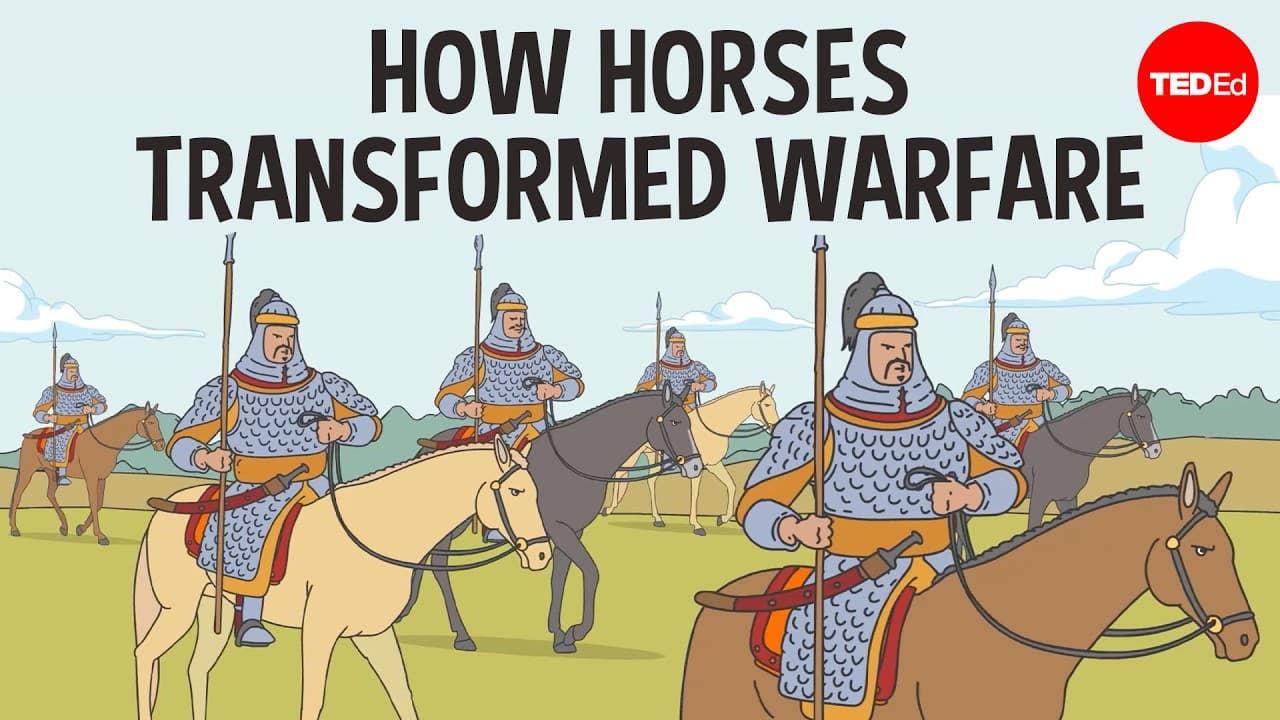
- 😮 Horses revolutionized warfare, transportation, and trade, contributing to the rise and fall of empires.
- 🏇 The Mongol Empire utilized horses for military campaigns and established an extensive horse-backed postal system.
- 🏇 Horses had a significant impact on the Mali Empire in West Africa during the 14th century.
- 🥺 The reintroduction of horses to the Americas led to widespread trade and exchange among Indigenous peoples.
- 🎠 Horses played a vital role in colonization and trade, but the advent of non-living modes of transport posed challenges to their continued use.
Install to Summarize YouTube Videos and Get Transcripts
Explore YouTube Video Summarizer or Get YouTube Transcript Extractor
Questions & Answers
Q: How did horses make the journey from North America to Eurasia?
Horses originally evolved in North America and migrated to Eurasia by crossing the Bering land bridge around 4 million years ago.
Q: When were horses first domesticated, and what innovations were developed to control and ride them?
Steppe people on the western Eurasian steppe domesticated horses around 2,000 BCE. They developed a bridle-and-bit system, chariots with spoked wheels, and later, structured saddles and stirrups.
Q: How did horses impact ancient cultures, particularly in warfare?
Horses played a significant role in ancient warfare, with cavalry appearing across Asia around 1000 BCE. Horseback riding and ceremonial horse sacrifice became integral to many cultures.
Q: How did horses spread across the globe?
Horses spread through colonization, trade, and conquest. They were reintroduced to the Americas by the Spanish in the 16th century and quickly traded and exchanged by Indigenous people.
Key Insights:
- Horses evolved in North America and migrated to Eurasia, where they diversified and were domesticated.
- Steppe people on the western Eurasian steppe played a pivotal role in the domestication and integration of horses into ancient cultures.
- Horses revolutionized warfare, transportation, and trade, contributing to the rise and fall of empires.
- The Mongol Empire utilized horses for military campaigns and established an extensive horse-backed postal system.
- Horses had a significant impact on the Mali Empire in West Africa during the 14th century.
- The reintroduction of horses to the Americas led to widespread trade and exchange among Indigenous peoples.
- Horses played a vital role in colonization and trade, but the advent of non-living modes of transport posed challenges to their continued use.
- Despite changes in transportation, horses continue to be valued and utilized in various ways globally.
Summary & Key Takeaways
-
Horses evolved in North America and migrated to Eurasia, where they diversified into modern-day horses, donkeys, and zebras.
-
Steppe people on the western Eurasian steppe domesticated horses around 2,000 BCE and integrated them into ancient cultures.
-
Horses played a crucial role in warfare, connecting distant empires, and facilitating trade and transportation.
Read in Other Languages (beta)
Share This Summary 📚
Summarize YouTube Videos and Get Video Transcripts with 1-Click
Try YouTube Summary with ChatGPT & Claude or YouTube Transcript Generator
Explore More Summaries from TED-Ed 📚


Summarize YouTube Videos and Get Video Transcripts with 1-Click
Try YouTube Summary with ChatGPT & Claude or YouTube Transcript Generator