Chasing Rewards: How Far is Too Far?
TL;DR
Explores the pros and cons of chasing credit card rewards.
Transcript
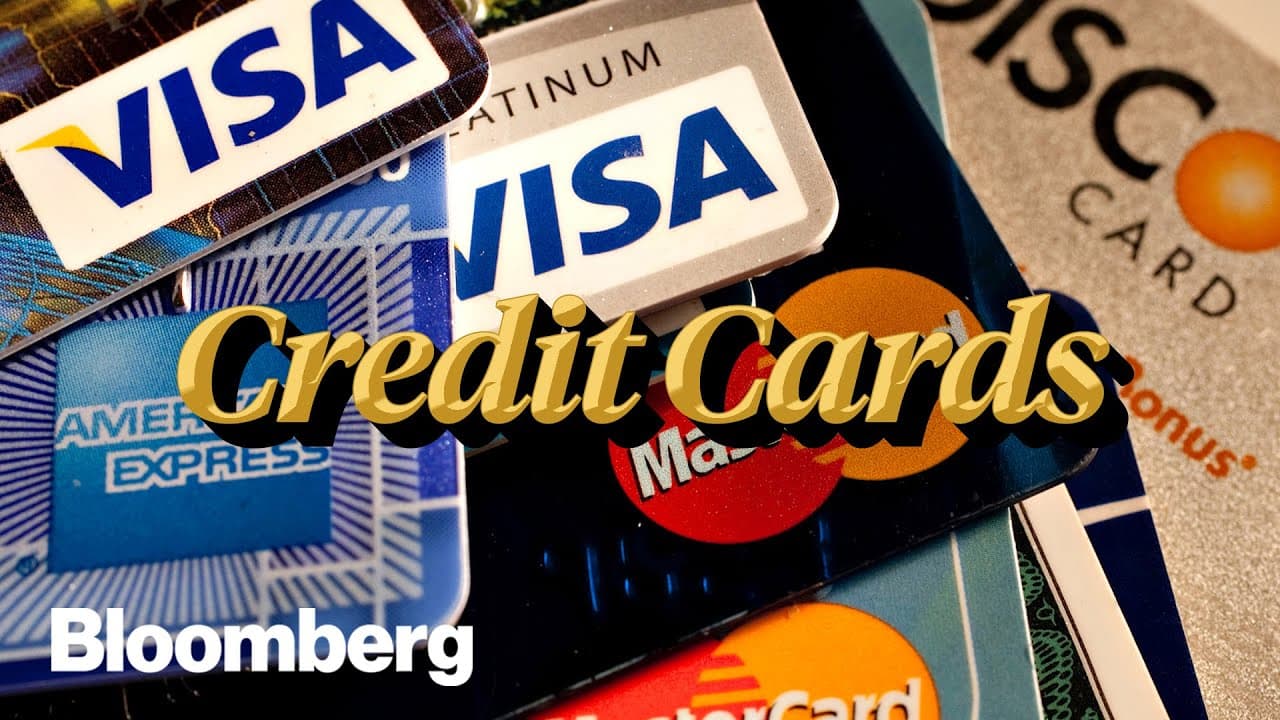
If some lenders had their way, you'd do all your shopping on a credit card. Why? Because it makes them money. Lots of it. And to try and entice you into keep spending, they offer rewards. Some really, really nice rewards. But are those rewards really worth it? Who's being rewarded? You? Or your bank? If you're careful, airline, hotel, and credit ca... Read More
Key Insights
- Credit card companies profit by encouraging consumers to spend more and carry balances, earning them interest revenue.
- Rewards can be lucrative if managed well, but they require careful financial discipline to avoid costly mistakes.
- Brad, a credit card enthusiast, manages around 25 active cards and has accumulated millions of points.
- The best general credit card offers 2% cash back with no annual fee, providing straightforward benefits.
- Maintaining good financial habits, such as paying off balances monthly, is crucial to avoid interest charges.
- Credit cards often have high interest rates, making it important to avoid carrying a balance whenever possible.
- Chasing rewards can be time-consuming and requires meticulous tracking of points and spending habits.
- Understanding the fine print of credit card offers is essential to maximize benefits and minimize hidden costs.
Install to Summarize YouTube Videos and Get Transcripts
Explore YouTube Video Summarizer or Get YouTube Transcript Extractor
Questions & Answers
Q: What motivates credit card companies to offer rewards?
Credit card companies offer rewards to incentivize consumers to spend more using their cards, which increases their revenue through transaction fees. Additionally, they profit when consumers carry balances by charging high interest rates. Thus, rewards programs are a strategy to drive spending and generate income from interest and fees.
Q: How does Brad manage his credit cards to maximize rewards?
Brad manages his credit cards by keeping track of his spending and rewards through a spreadsheet and websites that monitor loyalty accounts. He ensures he pays off his balances monthly to avoid interest charges and chooses cards that offer significant rewards, like points or cash back, without annual fees.
Q: What are the risks of chasing credit card rewards?
Chasing credit card rewards can lead to financial pitfalls, such as accruing high-interest debt if balances are not paid off monthly. It also requires significant time and organization to track rewards and spending. Mismanagement can result in costly fees and interest charges, negating any benefits from the rewards.
Q: What is the best type of credit card for general use?
A good general-use credit card offers 2% cash back with no annual fee. This type of card provides straightforward benefits without the complexity of tracking points or miles. It allows users to earn rewards on everyday purchases while avoiding the cost of annual fees, making it a practical choice for most consumers.
Q: Why is it important to pay off credit card balances monthly?
Paying off credit card balances monthly is crucial to avoid high interest charges that can quickly accumulate and negate any rewards earned. Carrying a balance results in paying interest, which increases the cost of purchases and can lead to debt. Maintaining a zero balance ensures that rewards are truly beneficial.
Q: What advice does Brad give to those interested in credit card rewards?
Brad advises those interested in credit card rewards to first ensure their finances are in order. This includes not carrying a balance and treating credit cards like debit cards by paying off the full balance each month. He emphasizes the importance of understanding the terms and conditions of credit card offers.
Q: How does interest affect credit card users?
Interest affects credit card users by increasing the overall cost of purchases if balances are not paid in full each month. Even small remaining balances can incur interest charges on the entire amount, leading to significant financial burden over time. High interest rates make it crucial for users to manage their balances carefully.
Q: What should consumers consider before pursuing credit card rewards?
Before pursuing credit card rewards, consumers should consider their ability to manage multiple cards and track spending meticulously. They need to assess their financial discipline to pay off balances monthly and avoid interest charges. Understanding the fine print of rewards programs is essential to ensure the benefits outweigh any potential costs.
Summary & Key Takeaways
-
The video explores the world of credit card rewards, highlighting how banks profit from consumer spending and interest charges. It features Brad, who meticulously manages numerous credit cards to maximize rewards. The discussion emphasizes the importance of financial discipline to avoid pitfalls associated with credit card use.
-
Brad, a credit card enthusiast, shares his strategy for accumulating millions of points through careful management of his credit cards. The video advises viewers on best practices, such as paying off balances monthly and choosing cards with no annual fees, to benefit from credit card rewards.
-
The video warns of the potential traps of credit card rewards, such as high interest rates and fees, while showcasing Brad's success in navigating these challenges. It highlights the importance of financial literacy and organization in effectively managing credit card rewards for personal gain.
Read in Other Languages (beta)
Share This Summary 📚
Summarize YouTube Videos and Get Video Transcripts with 1-Click
Try YouTube Summary with ChatGPT & Claude or YouTube Transcript Generator
Explore More Summaries from Bloomberg Originals 📚






Summarize YouTube Videos and Get Video Transcripts with 1-Click
Try YouTube Summary with ChatGPT & Claude or YouTube Transcript Generator