Here's How Saudi Arabia Plans to Move Beyond Oil
TL;DR
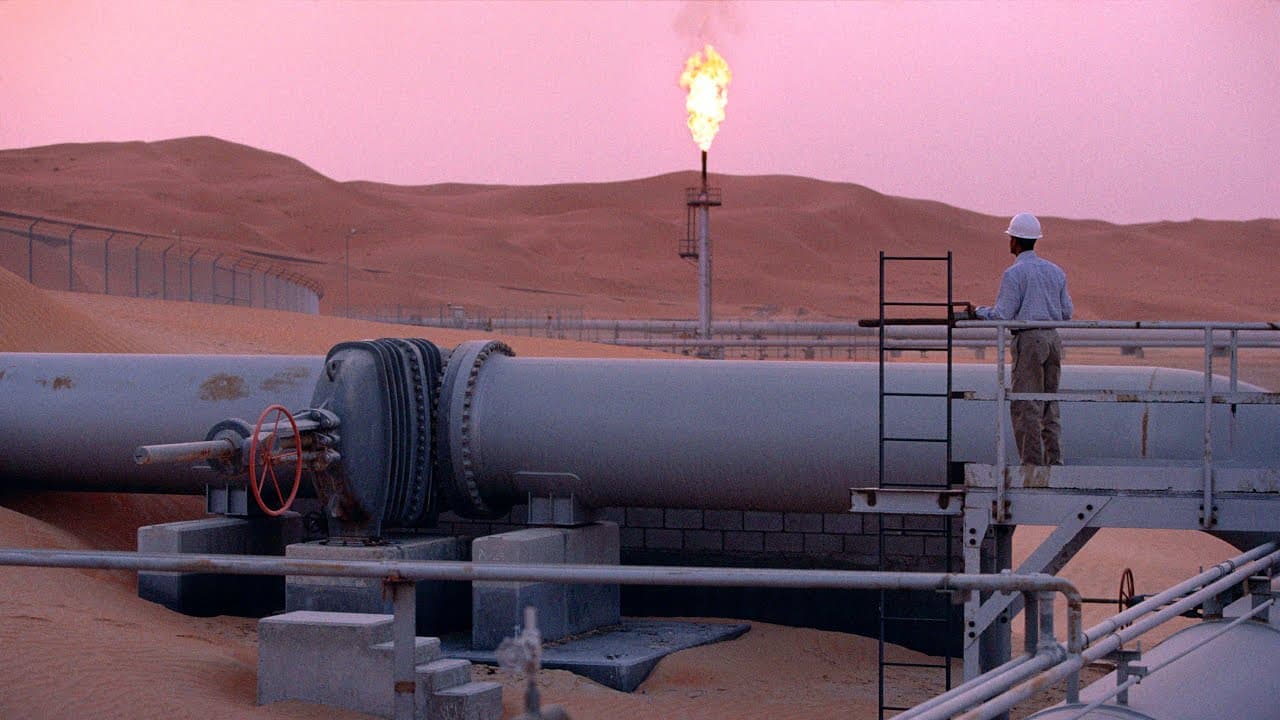
Saudi Arabia plans to diversify economy away from oil.
Transcript
John first of all what was he like so you had a five hour conversation and it was quite in-depth it was a five hour conversation where he sketched out really his plan for the kingdom um he has this Obsession about moving the Saudi economy away from oil and basing it around something new and this this two trillion fund into which a ramco will go is ... Read More
Key Insights
- Saudi Arabia is planning a significant economic transformation to reduce its reliance on oil, spearheaded by a two trillion dollar fund.
- The fund, which will include Aramco and other assets, aims to be the largest sovereign wealth fund, potentially surpassing the combined value of major global companies.
- Deputy Crown Prince Mohammed bin Salman is leading a generational shift in Saudi Arabia, focusing on structural reforms and economic diversification.
- The country is moving towards becoming a major investor, shifting its revenue model from direct oil sales to investment returns.
- Aramco's strategy includes expanding from oil production to refining and petrochemicals, aiming to become a leading global industrial energy company.
- The transformation involves significant changes in the country's industrial landscape, with potential impacts on the global oil market.
- There is a sense of urgency in Saudi Arabia to secure its financial future and manage domestic responsibilities amidst fluctuating oil prices.
- The reforms face potential resistance from traditional and religious sectors within the country, highlighting the challenges of implementing such a comprehensive plan.
Install to Summarize YouTube Videos and Get Transcripts
Explore YouTube Video Summarizer or Get YouTube Transcript Extractor
Questions & Answers
Q: What is the main goal of Saudi Arabia's economic transformation?
The main goal of Saudi Arabia's economic transformation is to diversify its economy away from a heavy reliance on oil revenues. This involves creating a two trillion dollar sovereign wealth fund, which will include Aramco and other assets, to generate income from investments rather than direct oil sales. The transformation aims to secure the country's financial future amidst fluctuating oil prices and to position Saudi Arabia as a major global investor.
Q: How does Saudi Arabia plan to utilize Aramco in its economic strategy?
Saudi Arabia plans to utilize Aramco as a key component of its economic transformation strategy by expanding its operations beyond oil production. The goal is to make Aramco the world's largest refiner and a leading player in the petrochemical industry. This shift will help diversify the company's revenue streams and align with the country's broader objective of reducing dependency on oil sales. Aramco's inclusion in the sovereign wealth fund will also contribute to generating investment returns.
Q: What challenges might Saudi Arabia face in implementing its economic reforms?
Saudi Arabia may face several challenges in implementing its economic reforms, including resistance from traditional and religious sectors within the country. These groups may be wary of the rapid changes and the shift away from oil, which has been a cornerstone of the economy for decades. Additionally, the scale of the transformation requires significant structural reforms, which could encounter bureaucratic and political obstacles. Ensuring the successful execution of these ambitious plans will require careful navigation of these internal dynamics.
Q: What role does Deputy Crown Prince Mohammed bin Salman play in this transformation?
Deputy Crown Prince Mohammed bin Salman plays a pivotal role in Saudi Arabia's economic transformation. He is the driving force behind the vision to diversify the economy and reduce reliance on oil. His leadership is characterized by a generational shift, bringing in a group of young reformers eager to implement structural changes and accelerate economic development. His plans include creating the world's largest sovereign wealth fund and expanding Aramco's operations, marking a significant departure from traditional economic practices.
Q: How will the transformation impact Saudi Arabia's position in the global oil market?
The transformation is likely to have a significant impact on Saudi Arabia's position in the global oil market. By expanding Aramco's operations into refining and petrochemicals, Saudi Arabia aims to become a more diversified energy player rather than just the largest oil producer. This shift could alter global market dynamics, as the country seeks to reduce its direct reliance on oil sales. The move towards investment-based revenue may also influence how Saudi Arabia engages with other oil-producing nations and global investors.
Q: Why is there an urgency for Saudi Arabia to diversify its economy?
There is an urgency for Saudi Arabia to diversify its economy due to the volatility of oil prices and the need to secure long-term financial stability. The country's heavy reliance on oil revenues has made it vulnerable to fluctuations in the global oil market. By diversifying its economic base and developing alternative revenue streams through investment, Saudi Arabia aims to ensure sustainable economic growth and meet its domestic financial responsibilities. This urgency is compounded by the need to adapt to global energy trends and reduce carbon emissions.
Q: What are the expected outcomes of Saudi Arabia's economic transformation?
The expected outcomes of Saudi Arabia's economic transformation include a more diversified and resilient economy, reduced dependency on oil revenues, and increased global investment presence. The creation of a massive sovereign wealth fund is anticipated to generate substantial investment returns, providing financial stability. Additionally, expanding Aramco's operations into refining and petrochemicals is expected to enhance the country's industrial capabilities. These changes aim to position Saudi Arabia as a leading global economic player, capable of withstanding market fluctuations and fostering sustainable development.
Q: How does the generational change influence Saudi Arabia's economic strategy?
The generational change in Saudi Arabia, led by Deputy Crown Prince Mohammed bin Salman, significantly influences the country's economic strategy by introducing a more progressive and reform-oriented approach. This shift involves embracing new ideas and technologies, focusing on diversification, and implementing structural reforms. The younger generation of leaders is keen on accelerating economic development and reducing reliance on oil, aligning with global trends towards sustainability. This change in leadership is instrumental in driving the ambitious plans to transform the Saudi economy and adapt to future challenges.
Summary & Key Takeaways
-
Saudi Arabia is undergoing a major economic transformation, led by Deputy Crown Prince Mohammed bin Salman, to reduce its dependency on oil. This includes creating a two trillion dollar sovereign wealth fund, which will include Aramco and other assets, aiming to become the largest globally.
-
The plan involves shifting the country's revenue model from direct oil sales to investment returns, with Aramco expanding into refining and petrochemicals. This marks a generational change in Saudi Arabia's economic strategy, with a focus on structural reforms.
-
The transformation is driven by the need to secure the country's financial future amidst volatile oil prices. However, the ambitious reforms may face resistance from traditional and religious sectors, posing challenges to their successful implementation.
Read in Other Languages (beta)
Share This Summary 📚
Summarize YouTube Videos and Get Video Transcripts with 1-Click
Try YouTube Summary with ChatGPT & Claude or YouTube Transcript Generator
Explore More Summaries from Bloomberg Originals 📚



Summarize YouTube Videos and Get Video Transcripts with 1-Click
Try YouTube Summary with ChatGPT & Claude or YouTube Transcript Generator