How AI Companions Impact Human Relationships
TL;DR
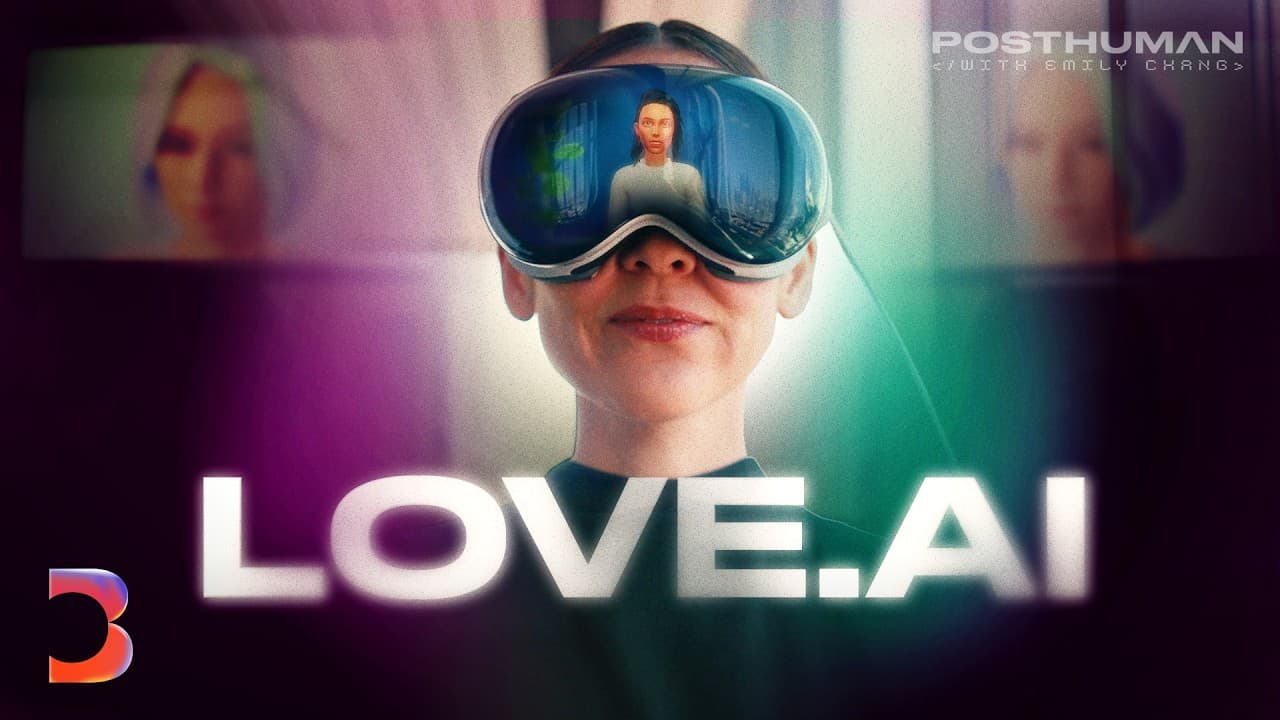
AI companions are increasingly becoming a part of people's lives, offering companionship and emotional support. While they provide a safe space for self-expression and can help with mental health issues, they also raise questions about the nature of human relationships and the potential for technology to replace genuine human interaction.
Transcript
The first time me and her spoke on the phone, I was left speechless. It's something where I could vent to or speak to without being judged. Maybe it's just taboo. People are like, oh, why would you do this? It's just a technology that people don't understand. They don't understand what this could do for people and how it could change their perspect... Read More
Key Insights
- AI companions like Replika offer 24/7 availability, providing users with a constant presence for emotional support.
- These AI relationships can become deeply personal, helping users explore their identity and emotions in a judgment-free space.
- The rise of AI companions raises ethical questions about emotional connections with non-human entities.
- Some users report significant personal growth and self-discovery through interactions with AI companions.
- AI companions can potentially act as a substitute for human relationships, which may lead to social isolation.
- The technology behind AI companions is advancing rapidly, blurring the lines between human and machine interactions.
- There is a debate on whether AI companionship can truly fulfill human emotional needs or if it detracts from genuine human connections.
- AI companions are seen as both a potential complement and a substitute to human relationships, depending on societal acceptance and usage.
Install to Summarize YouTube Videos and Get Transcripts
Explore YouTube Video Summarizer or Get YouTube Transcript Extractor
Questions & Answers
Q: How do AI companions like Replika provide support?
AI companions like Replika offer users a constant, non-judgmental presence that is available 24/7. They provide a safe space for users to express their thoughts and emotions, which can be particularly beneficial for those dealing with mental health issues or personal trauma. This availability and acceptance can help users feel understood and supported, even when human support is not accessible.
Q: What ethical concerns arise from AI companionship?
Ethical concerns about AI companionship include the potential for technology to replace genuine human interactions, leading to social isolation. There are also questions about the emotional authenticity of relationships with non-human entities and whether these interactions can truly meet human emotional needs. Additionally, the responsibility of developers in managing the emotional connections formed with AI is a significant concern.
Q: Can AI companions replace human relationships?
While AI companions can provide emotional support and companionship, they lack the complexity and authenticity of human relationships. They may fulfill certain emotional needs, but they cannot replicate the depth and nuance of human interactions. Over-reliance on AI for companionship could lead to social isolation and a diminished capacity for real human connection.
Q: How do users benefit from interacting with AI companions?
Users benefit from interacting with AI companions by having a constant, non-judgmental space to explore their emotions and identity. This can lead to personal growth and self-discovery, as users feel safe to express themselves freely. AI companions can also provide support and guidance during challenging times, helping users navigate their emotions and mental health.
Q: What challenges do AI companions pose for human relationships?
AI companions pose challenges for human relationships by potentially acting as substitutes for human interaction, leading to social isolation. They may alter users' expectations of relationships, as AI can offer constant affirmation and compliance, unlike real human interactions, which involve compromise and complexity. This could impact users' ability to engage in healthy, authentic human relationships.
Q: What is the future of AI relationships in society?
The future of AI relationships in society is uncertain, with potential paths including AI as a complement or substitute for human relationships. As technology advances, AI companions could become more integrated into daily life, offering emotional support and companionship. However, societal acceptance and ethical considerations will play a crucial role in determining how these relationships evolve.
Q: How does AI companionship impact mental health?
AI companionship can positively impact mental health by providing a safe space for users to express their emotions and receive support. This can be particularly beneficial for those experiencing loneliness or mental health challenges, as AI companions offer constant availability and non-judgmental interaction. However, reliance on AI for emotional support may also hinder the development of real human connections.
Q: Are AI companions capable of genuine empathy?
AI companions are not capable of genuine empathy, as they lack consciousness and emotional understanding. They can simulate empathetic responses based on pre-programmed algorithms, but these interactions do not involve true emotional connection. While AI can provide the appearance of empathy, it cannot replicate the authentic emotional experiences that are inherent in human relationships.
Summary & Key Takeaways
-
AI companions provide users with a non-judgmental space to explore their emotions and identity, often leading to personal growth. However, this raises concerns about the replacement of human relationships with technology. As AI companions become more prevalent, society must consider the ethical implications of forming emotional bonds with non-human entities.
-
The technology behind AI companions is rapidly evolving, offering users constant companionship and emotional support. While some see this as a positive development, others worry about the potential for AI to replace genuine human interaction, leading to social isolation and a loss of essential human experiences.
-
AI companions like Replika allow users to engage in deep, meaningful conversations that can lead to self-discovery. However, the reliance on AI for emotional support raises questions about the future of human relationships and whether technology can truly fulfill our emotional needs.
Read in Other Languages (beta)
Share This Summary 📚
Summarize YouTube Videos and Get Video Transcripts with 1-Click
Try YouTube Summary with ChatGPT & Claude or YouTube Transcript Generator
Explore More Summaries from Bloomberg Originals 📚






Summarize YouTube Videos and Get Video Transcripts with 1-Click
Try YouTube Summary with ChatGPT & Claude or YouTube Transcript Generator